Lesson 23 · Foundational Components
Animals: 马 / 鸟 / 隹 / 鱼
Three of these four components are pictures of animals that you can still recognise as pictures. The fourth, 隹, began as the same kind of drawing and then drifted: it no longer means its animal, and it no longer stands alone as a word. Lesson 22 named it in passing inside the history of 进 (jìn, "to enter"); this lesson teaches it properly.
马 (mǎ, "horse") is the 276th most common character in modern Chinese, and carries 吗 (ma, the question particle, 453rd) and 妈 (mā, "mother", 750th). 隹 (zhuī, "short-tailed bird") is rare alone — 5,837th — but sits inside 难 (nán, "difficult", 295th), 集 (jí, "to gather", 406th), 推 (tuī, "to push", 505th) and 谁 (shuí, "who", 648th). 鱼 (yú, "fish", 852nd) and 鸟 (niǎo, "bird", 1,263rd) earn their place differently: they are what you read on menus. (hanziDB frequency list)
Your four new components
Quick recall — click each card to flip it:
Stroke order
马 — 3 strokes
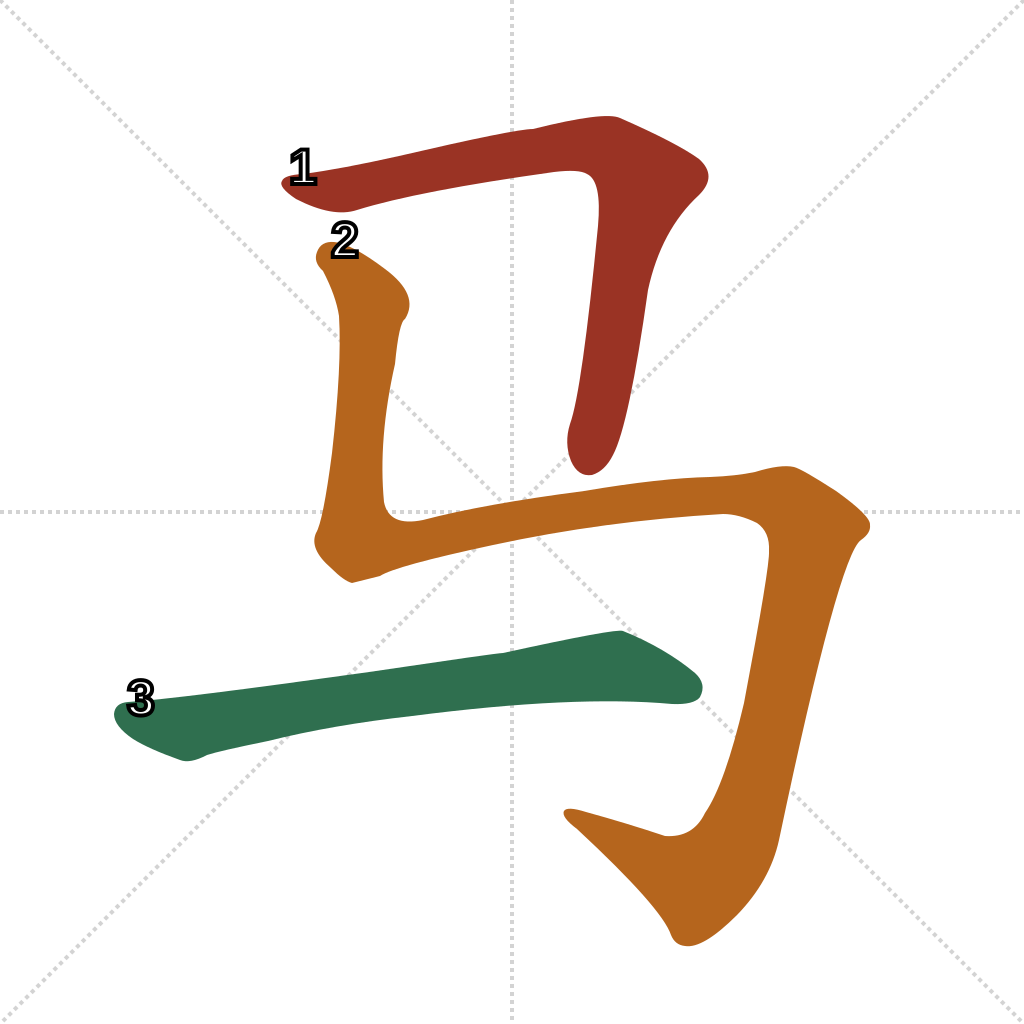
The long horizontal at the bottom of 马 is written last, the same habit you built on 辶 (chuò, "movement") in Lesson 22: upright part first, base underneath.
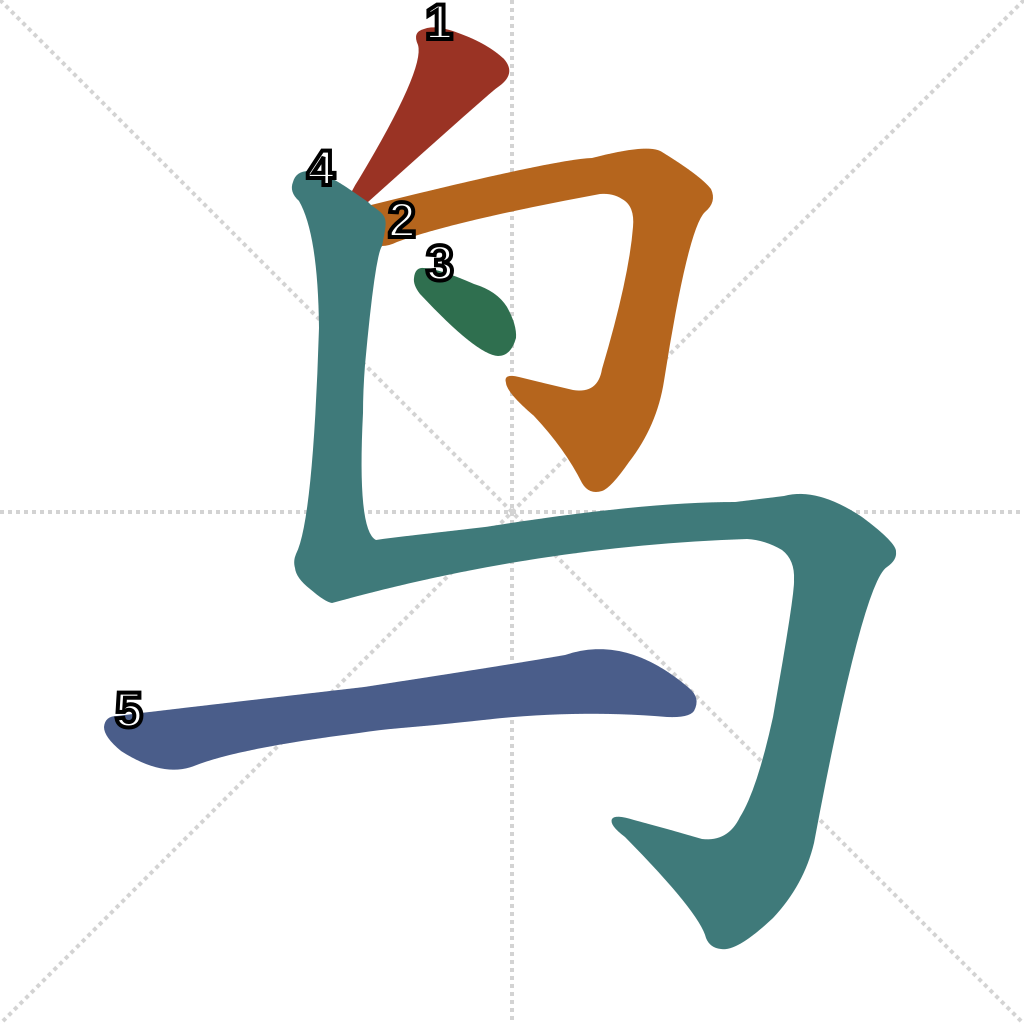
鸟 — 5 strokes
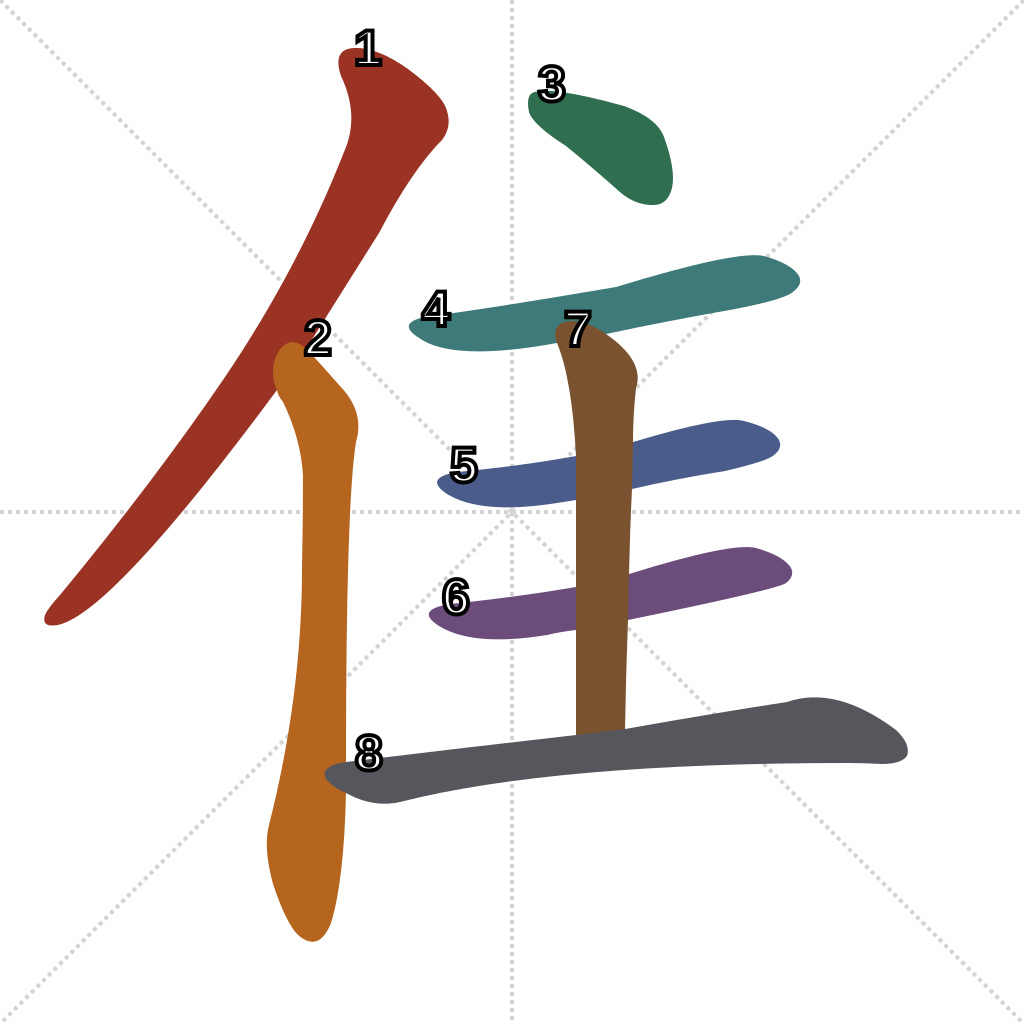
隹 — 8 strokes
鱼 — 8 strokes
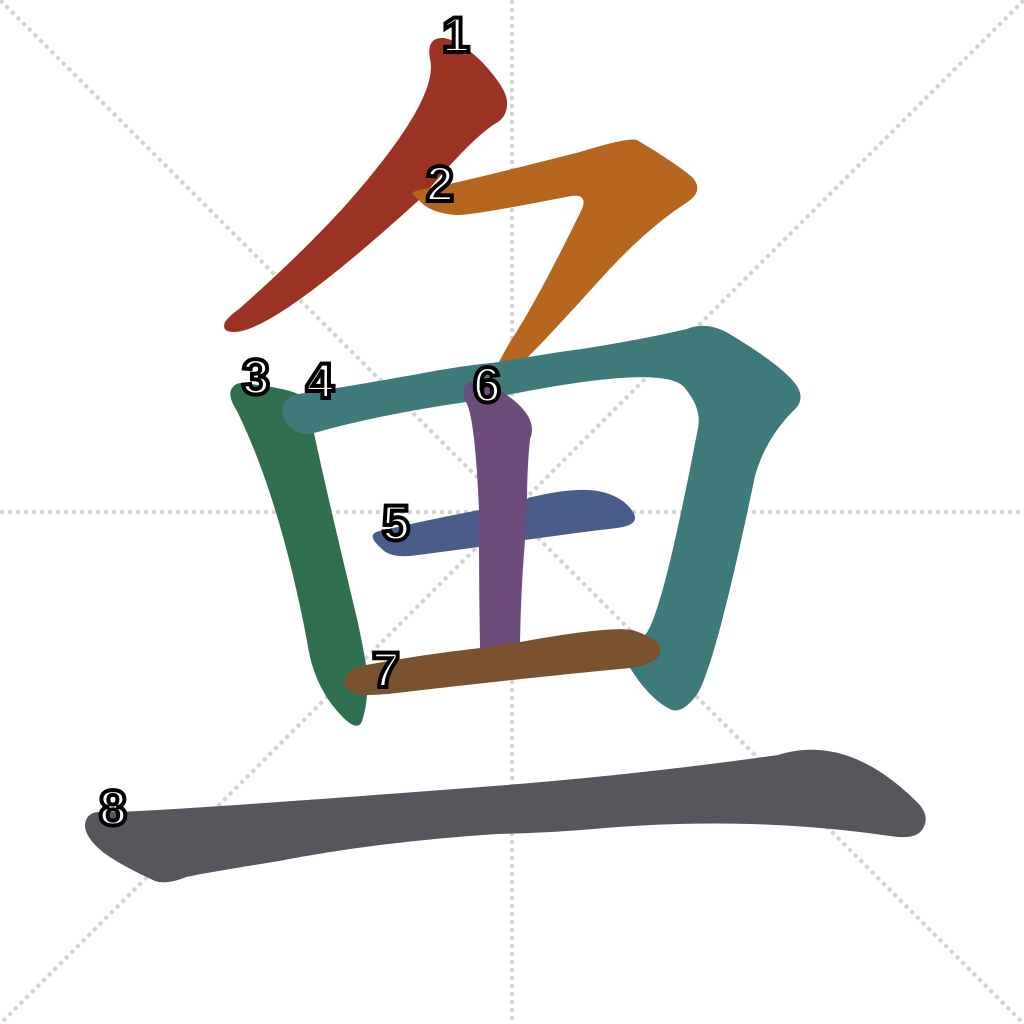
鱼 ends on that replacement 一 — everything above it first, then the base stroke closes the character.
Examples using these components
马 is the most productive sound-carrier you have met so far:
妈mother
女 (nǚ, "woman", Lesson 2) carries the meaning, 马 the sound. (Wiktionary: 媽)
吗question particle
口 (kǒu, "mouth", Lesson 1) marks it as spoken, and 马 again supplies the syllable. Add 吗 to a statement and the statement becomes a question — 好吗 (hǎo ma), "is that all right?", on 好 (hǎo, "good") from Lesson 2. Note what a sound-carrier fixes and what it does not: 马 is mǎ, 妈 is mā, 吗 is ma. One syllable, three tones. (Wiktionary: 嗎)
The two birds meet inside one character's history:
鸡chicken
The traditional form came in two versions differing only in the bird: 鷄 took 鳥, 雞 took 隹. Both put 奚 (xī, "a servant") on the left for the sound. The 1956 reform swapped 奚 for 又 (yòu, "hand", Lesson 19), which contributes neither sound nor meaning and was chosen for being quick to write — the same move as 力 (lì, "strength") in 边 (biān, "side"), from Lesson 22. Prefix 火 for 火鸡 (huǒ jī) — turkey. (Wiktionary: 鸡)
鱼 rarely takes a partner: on a menu it stands alone, or joins a whole second character — 金鱼 (jīn yú, "goldfish"), from 金 (jīn, "metal, gold", Lesson 10).
隹 keeps its bird sense in one common character and drops it in most others. The one that keeps it is a plain picture, with no sound component at all:
集to gather, to collect
Birds settling in a tree, using 木 (mù, "tree", Lesson 1). A variant of 集, written 雧 (also jí, "to gather"), stacks three birds — the same tripling that turned 木 into 森 (sēn, "forest") in Lesson 7. (Wiktionary: 集)
推to push
扌 (shǒu, "hand", Lesson 11) gives the meaning, 隹 only the sound. This is the character printed on the near side of a great many doors; 拉 (lā, "to pull") is on the other, and it too is built on 扌. (Wiktionary: 推)
Two of the frequency entries above are now fully within reach: 谁 is 讠 (yán, "speech", Lesson 12) plus 隹, and 难 is 又 plus 隹, with 又 acting as a shape-only stand-in for a third time.
Check your recall
The oracle-bone form of 马 drew a horse with its:
Inside 妈 and 吗, the component 马 supplies:
Wiktionary reads 隹 as a picture of a:
又 was chosen for simplified 鸡 because it is:
集 sets 隹 above 木 to picture:
推, on the near side of a door, tells you:
Go further
The best single read here is Victor Mair's Evolution of the sinograph and the word for horse on Language Log, which lays out 3,200 years of the glyph in one sequence and explains why the horse ended up standing on its tail: oracle-bone scribes held the bone or shell upright, so the animal was turned to fit. It is the source Wiktionary cites for the 馬 reading above.
Out in the world: 鱼 and 鸡 are two of the commonest characters on a menu, 推 and 拉 sit on the doors either side of you, 吗 ends a great many of the questions you will be asked, and 马路 (mǎ lù) — literally "horse road", using 路 (lù, "road") from Lesson 18 — is the ordinary word for a street. The horse left the road; the character stayed.