Lesson 18 · Foundational Components
Eye, Ear, Foot: 目 / 耳 / 足
A second body-part trio, picking up where Lesson 11's hand and heart left off: three pictographs, each an extremely common component slot. 目 covers the eye and seeing, 耳 the ear and hearing, 足 the foot and moving. Between them they build "to look," "to run," "road," and — with one deliberate exception — "to hear."
Your three new components
Quick recall — click each card to flip it:
Stroke order
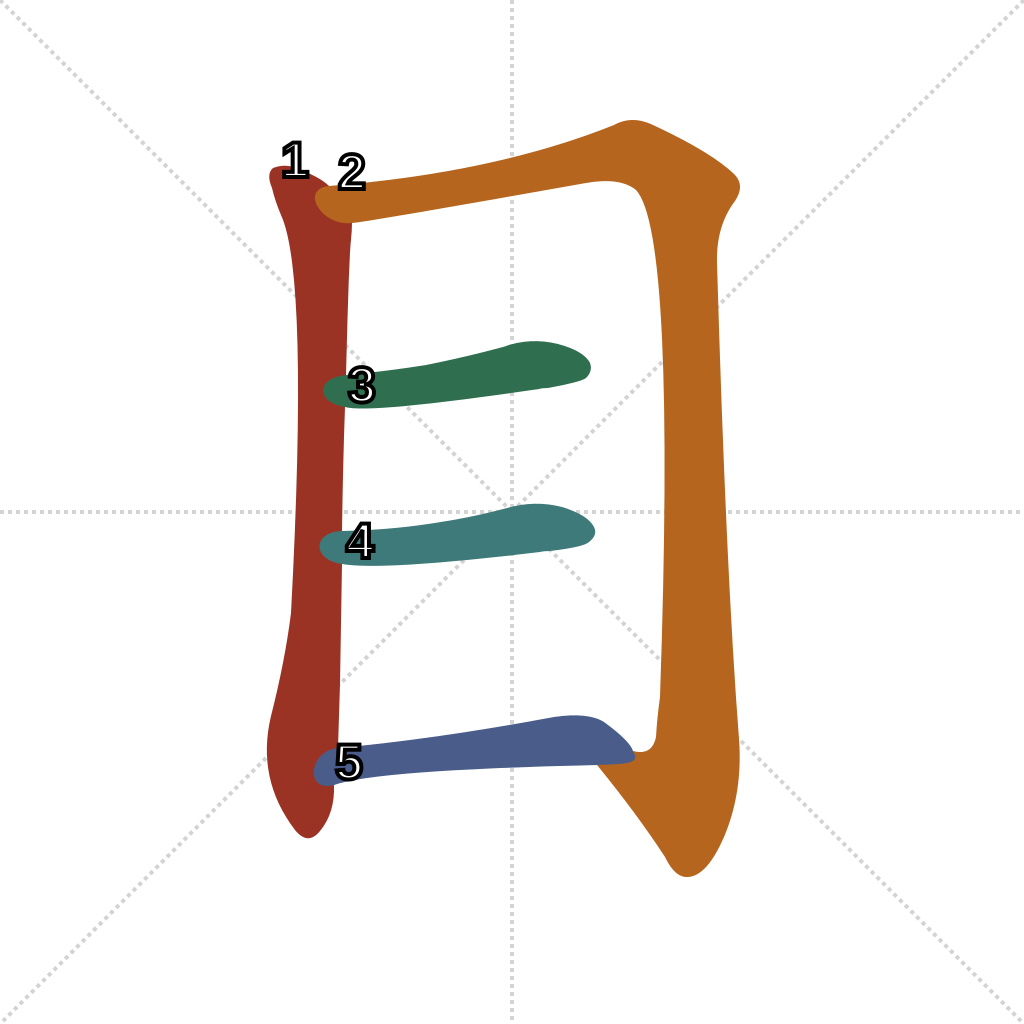
目 — 5 strokes
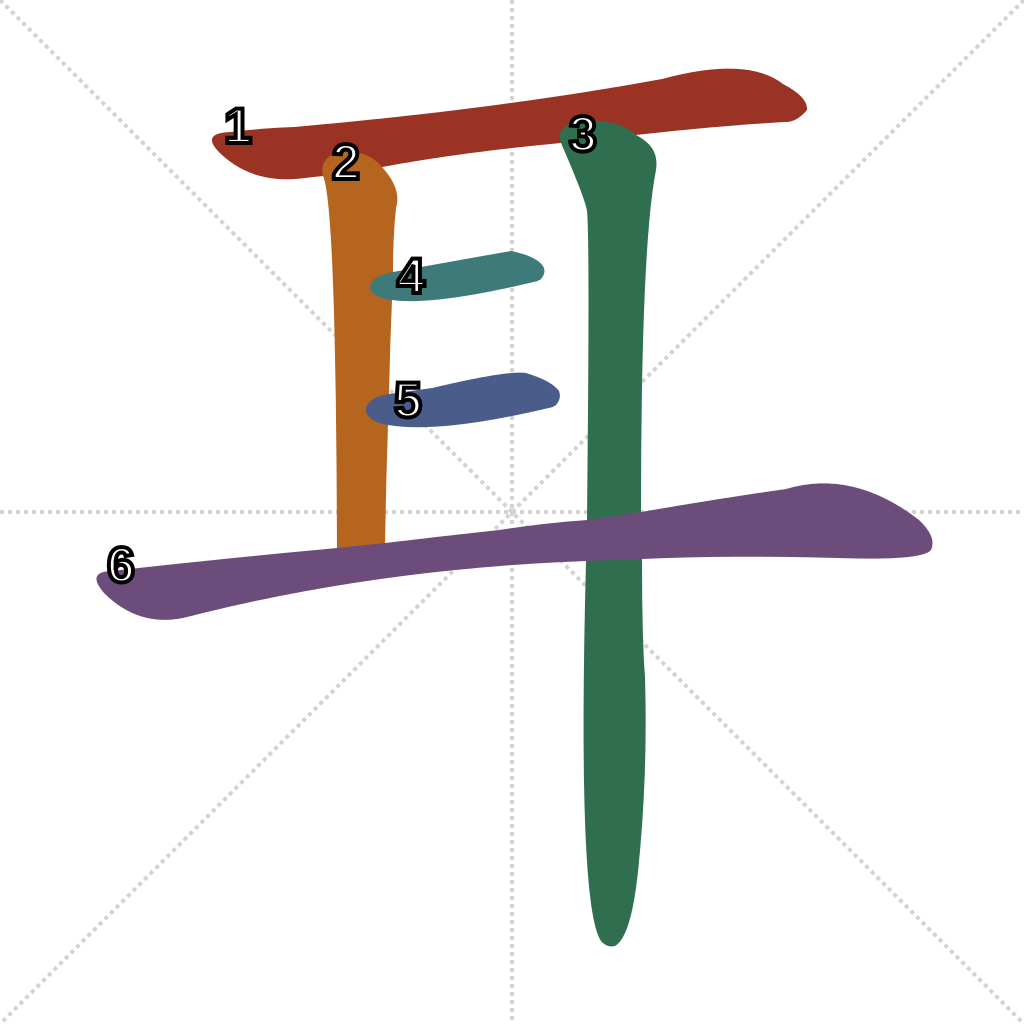
耳 — 6 strokes
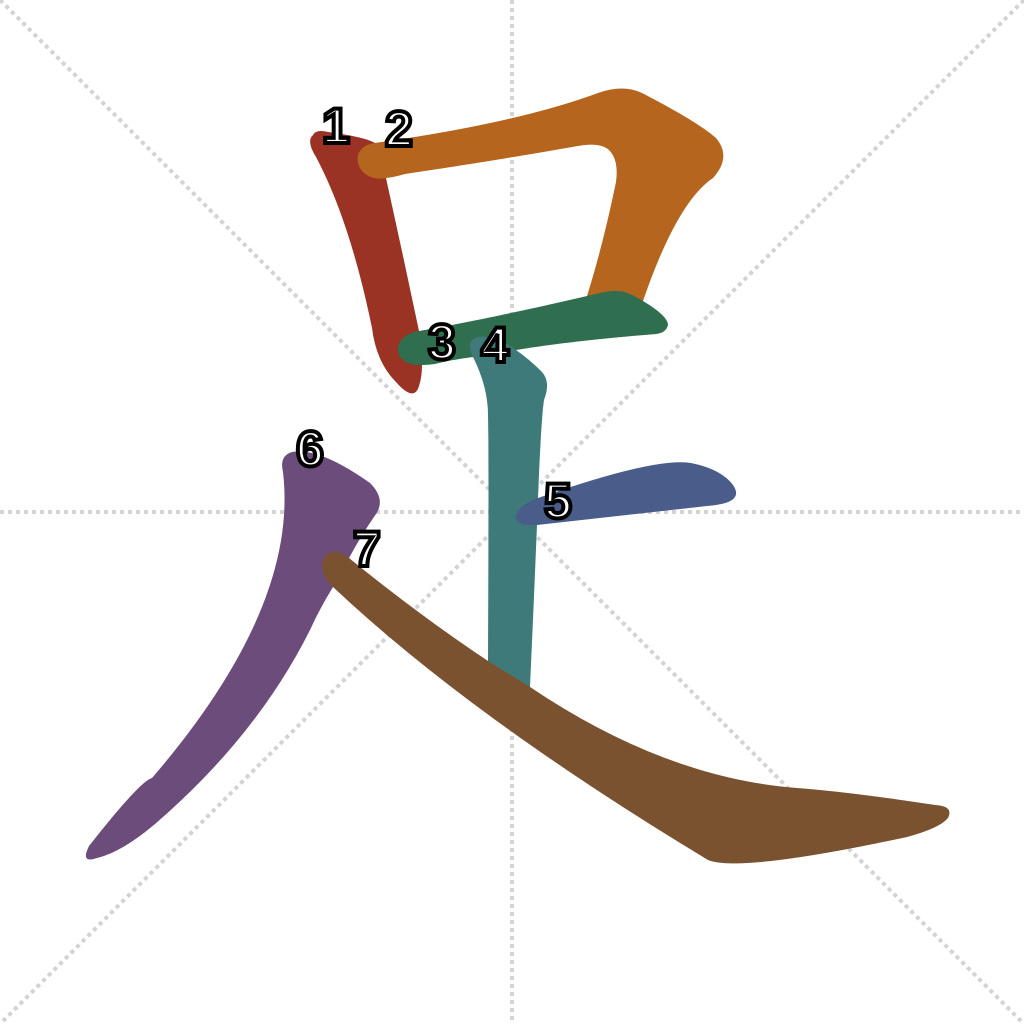
足 — 7 strokes
Examples using these components
Starting with 目: 看 reuses 手 all the way back from Lesson 11:
看to look, to see, to watch
An ideogrammic compound: Wiktionary describes it as "to put a hand above the eyes to gaze afar" — 手 (hand, semantic) shading 目 (eye, semantic). Both pieces carry meaning; neither is phonetic. (Wiktionary: 看)
眼 goes back to a semantic-phonetic split:
眼eye
目 (eye) is semantic; 艮 (gèn, a trigram name today) is phonetic only. In modern speech, standalone 目 has mostly retreated into compounds and set phrases — 眼睛 (yǎnjing, "eye(s)") is the everyday word, and 眼 is the character you'll meet as its first half. (Wiktionary: 眼)
Wiktionary classifies 艮's role in 眼 as sound only, on the strength of an Old Chinese rhyme match (艮 *kɯːns, 眼 *ŋrɯːnʔ) — the normal, sound-driven way phono-semantic compounds get built. Whether that choice also owed anything to 艮's own ancient composition is a fair question the sources simply don't address either way. That composition: Wiktionary describes the ancient graph as an ideogrammic compound of 目 (eye) + 人 (person, from Lesson 1), literally "a person looking back," with an old sense of resistance or disobedience — a reading the modern glyph no longer visibly preserves. Today 艮 survives mainly as the name of one of the Yijing's eight three-line 卦 (guà, "trigram") symbols, the 八卦 (bāguà, "eight trigrams") — specifically the mountain trigram — itself a separate, later sense. (Wiktionary: 眼, Wiktionary: 艮)
足 builds two very common characters, both by the same pattern:
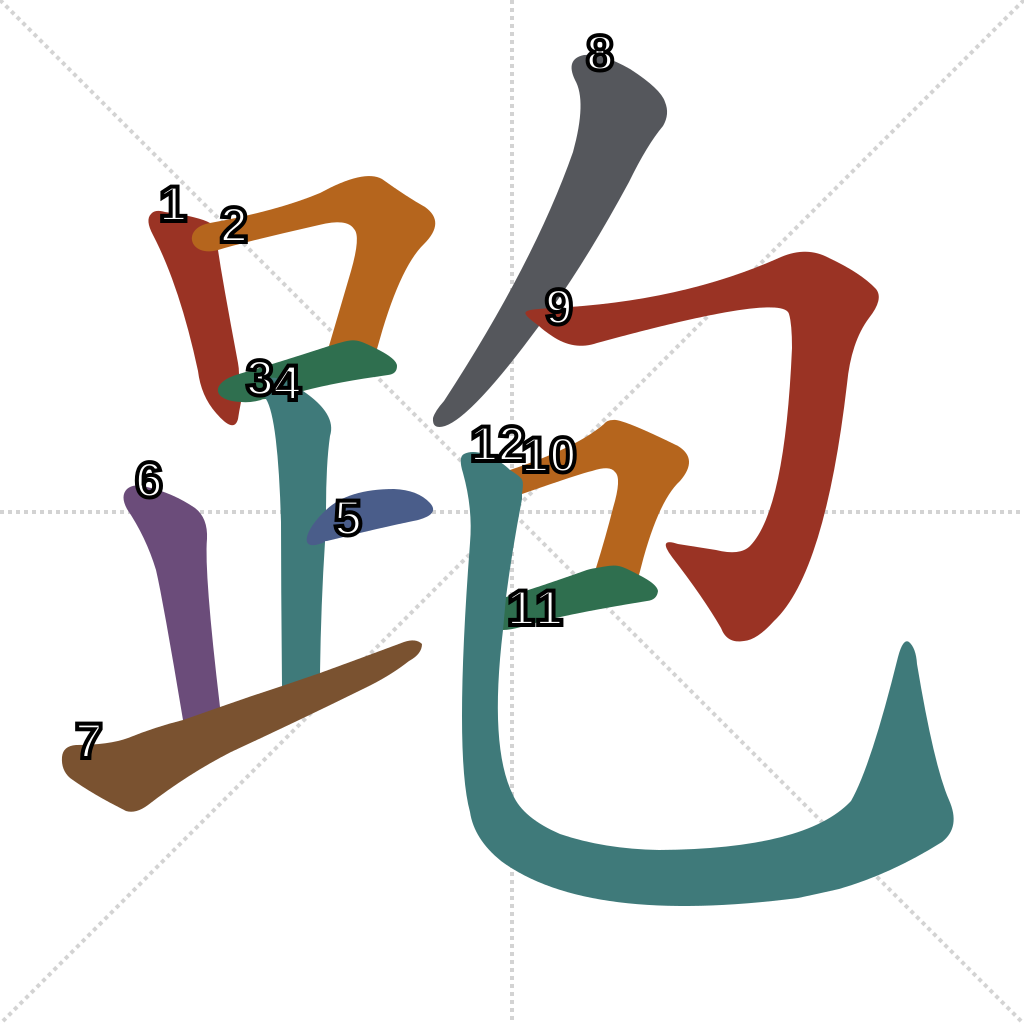
跑to run
足 (foot, semantic) is narrowed to 𧾷; 包 (bāo, "to wrap" today) is phonetic only. (Wiktionary: 跑)
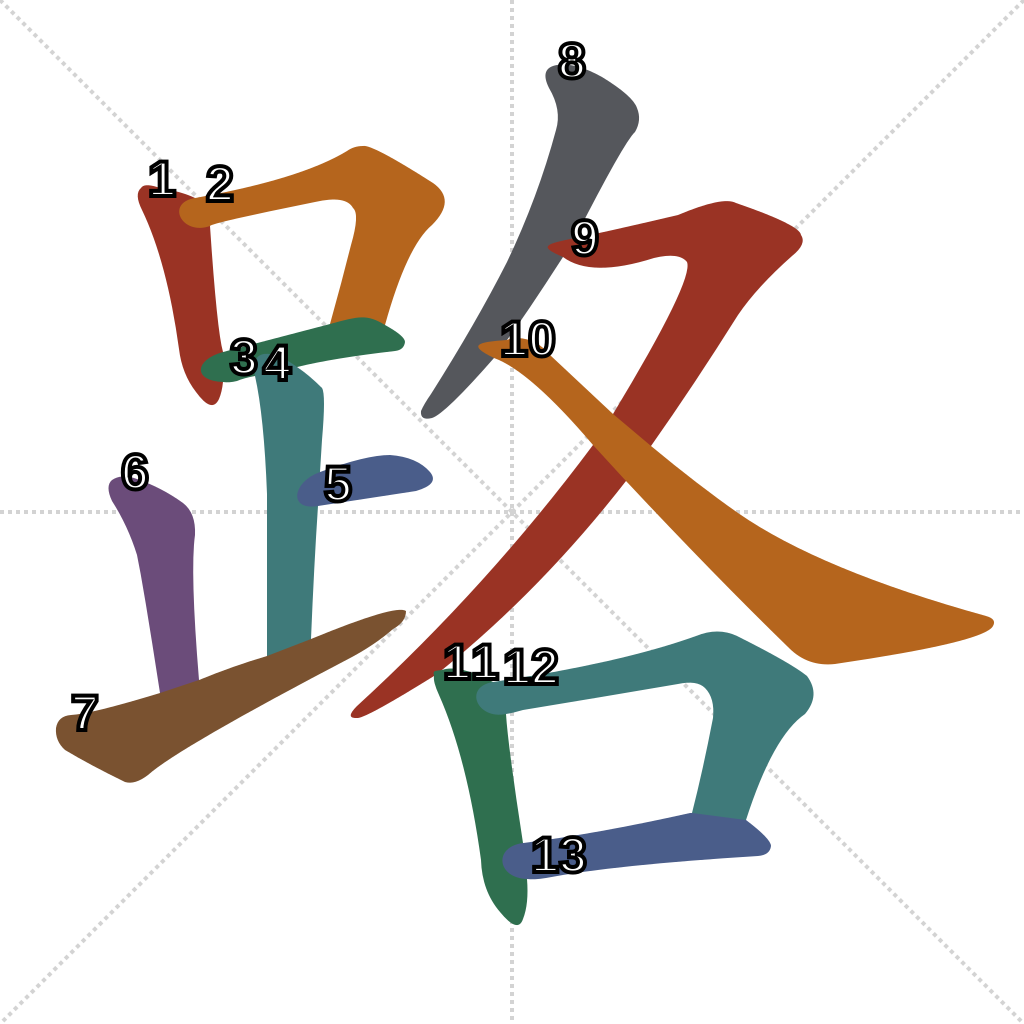
路road, path
Again 足 (foot, semantic) narrows to 𧾷; 各 (gè, "each" today) is phonetic only. A road is, at root, where feet go. (Wiktionary: 路)
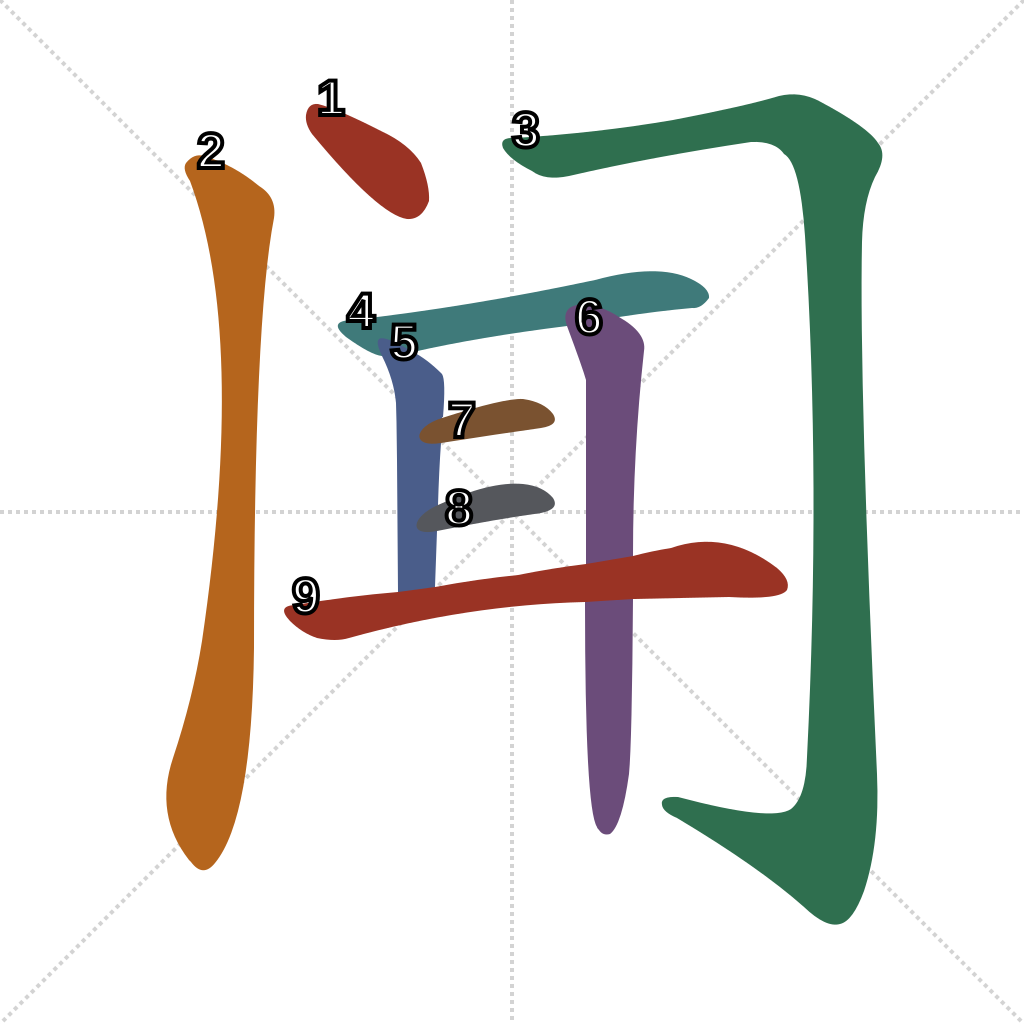
闻, by contrast, does use 耳 — and reuses 门 all the way back from Lesson 13:
闻to hear; to smell
Here Wiktionary marks 门 (door) as the phonetic element — Old Chinese *mɯːn is close enough to 耳-driven wén to carry the sound — while 耳 (ear, semantic) supplies the meaning. The same double-duty Lesson 17's 禾 showed inside 和: a taught component playing the sound role instead of the meaning role. (Wiktionary: 聞)
Stroke order for today's characters
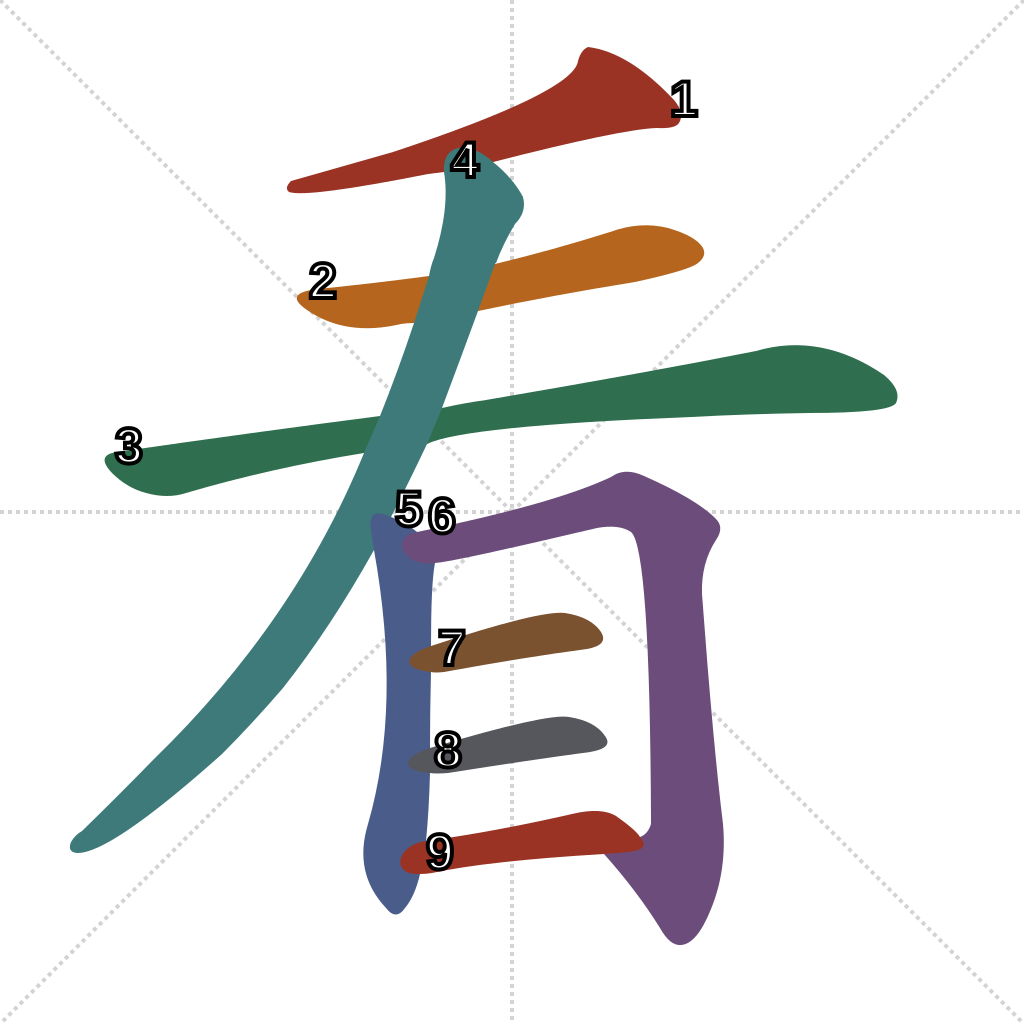
看 — 9 strokes
眼 — 11 strokes
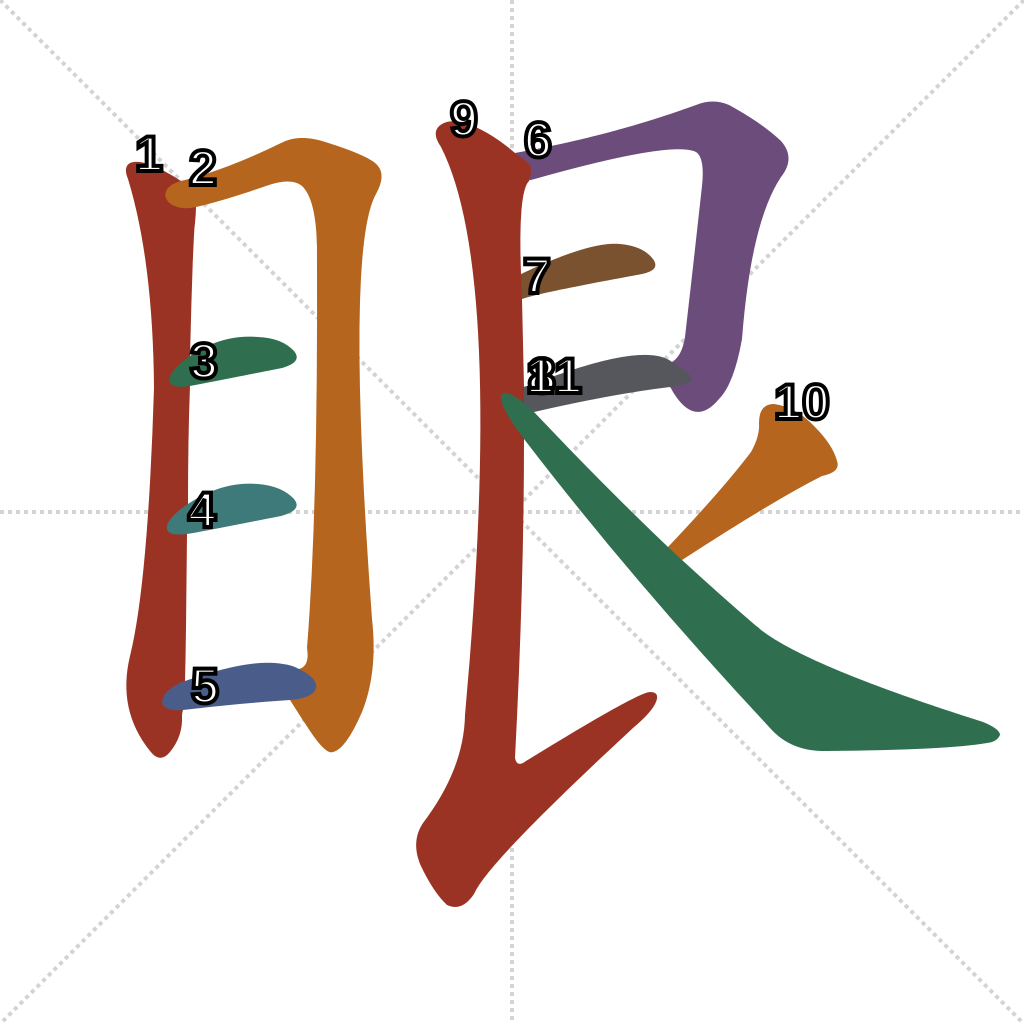
跑 — 12 strokes
路 — 13 strokes
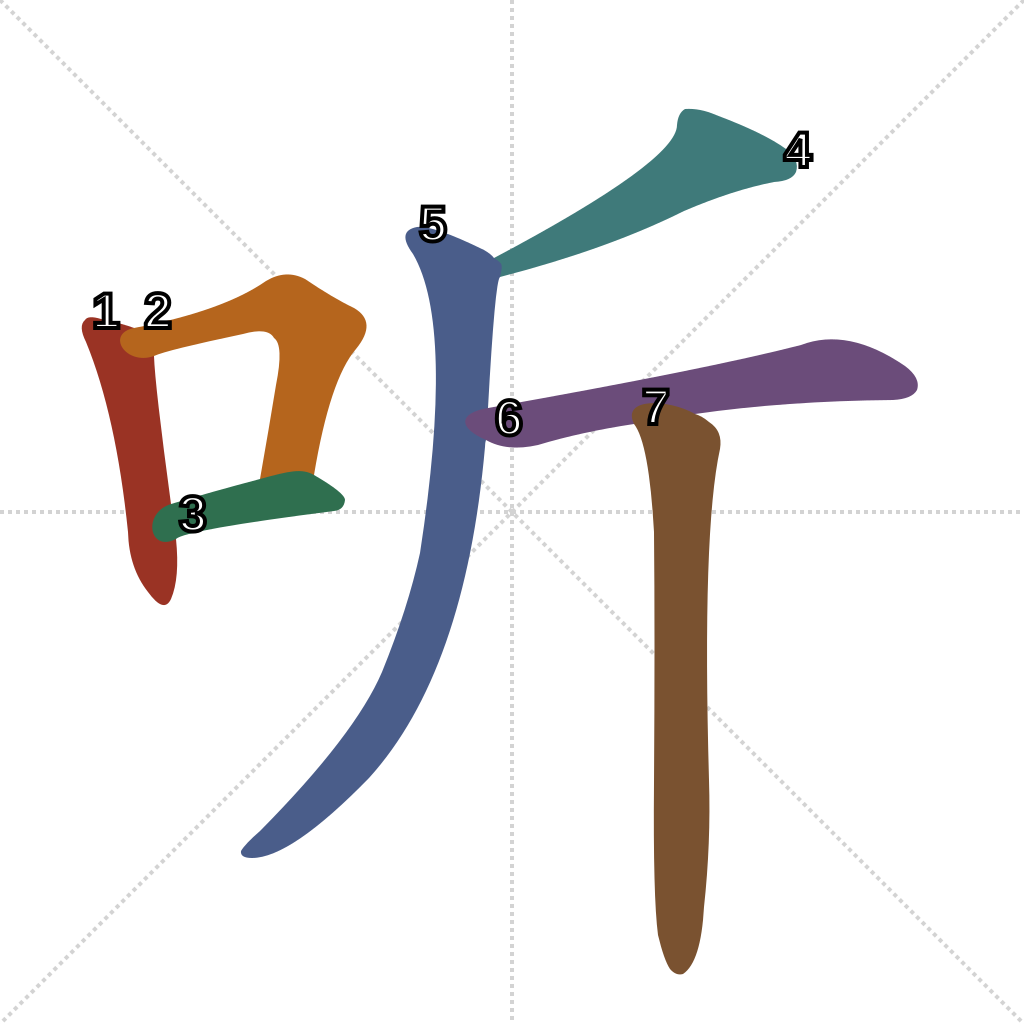
听 — 7 strokes
闻 — 9 strokes
Check your recall
目 differs from 日 by having:
足 becomes which compressed form as a left component?
看 (手+目) means:
Does 听 (tīng, "to hear") contain 耳 as a component?
In 闻 (门+耳), which piece is the phonetic element?
跑 and 路 share which taught component?
Go further
Etymology sources for every character above are linked inline. For the rigorous version of any of them, including the full phono-semantic analysis of 闻, see the Outlier Dictionary of Chinese Characters.
Out in the world: 好看 (hǎokàn, "good-looking" — 好 from Lesson 2) and 好听 (hǎotīng, "nice to listen to," said of music or a voice) are both fully readable now, built entirely from glossary characters. 路口 (lùkǒu, "intersection, crossroads" — 口 from Lesson 1) labels junctions on street signs. 听说 (tīngshuō, "I heard that…, it's said that…" — 说 from Lesson 12) is one of the most common ways to open a sentence reporting hearsay.