Lesson 13 · Foundational Components
Door, Enclosure: 门 / 囗
Two components today, and they belong together: both are the first pieces in this course that wrap around their partner instead of sitting beside it like 讠, 氵, 钅, 扌, and 忄. 门 wraps on three sides, open at the bottom, like the door frame it's named for. 囗 goes further: a full boundary on all four sides.
Your two new components
Quick recall — click each card to flip it:
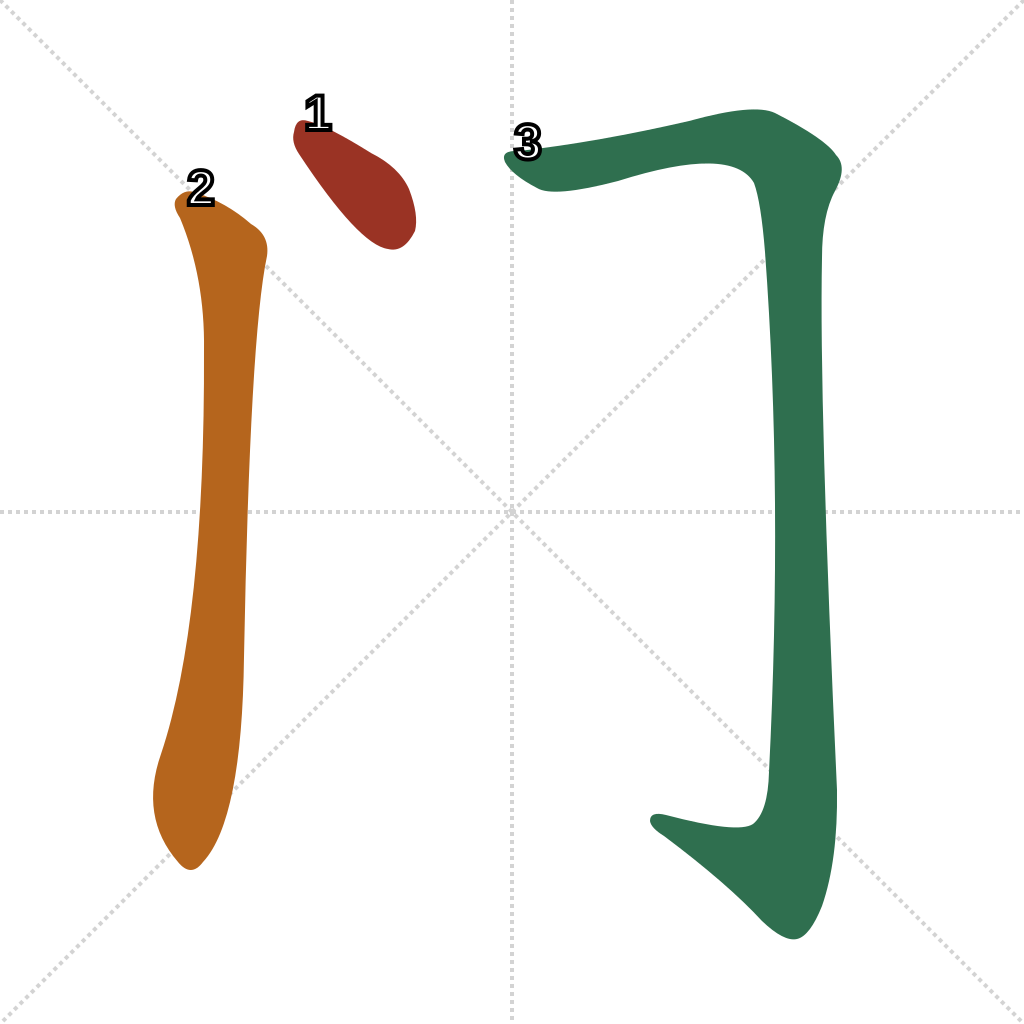
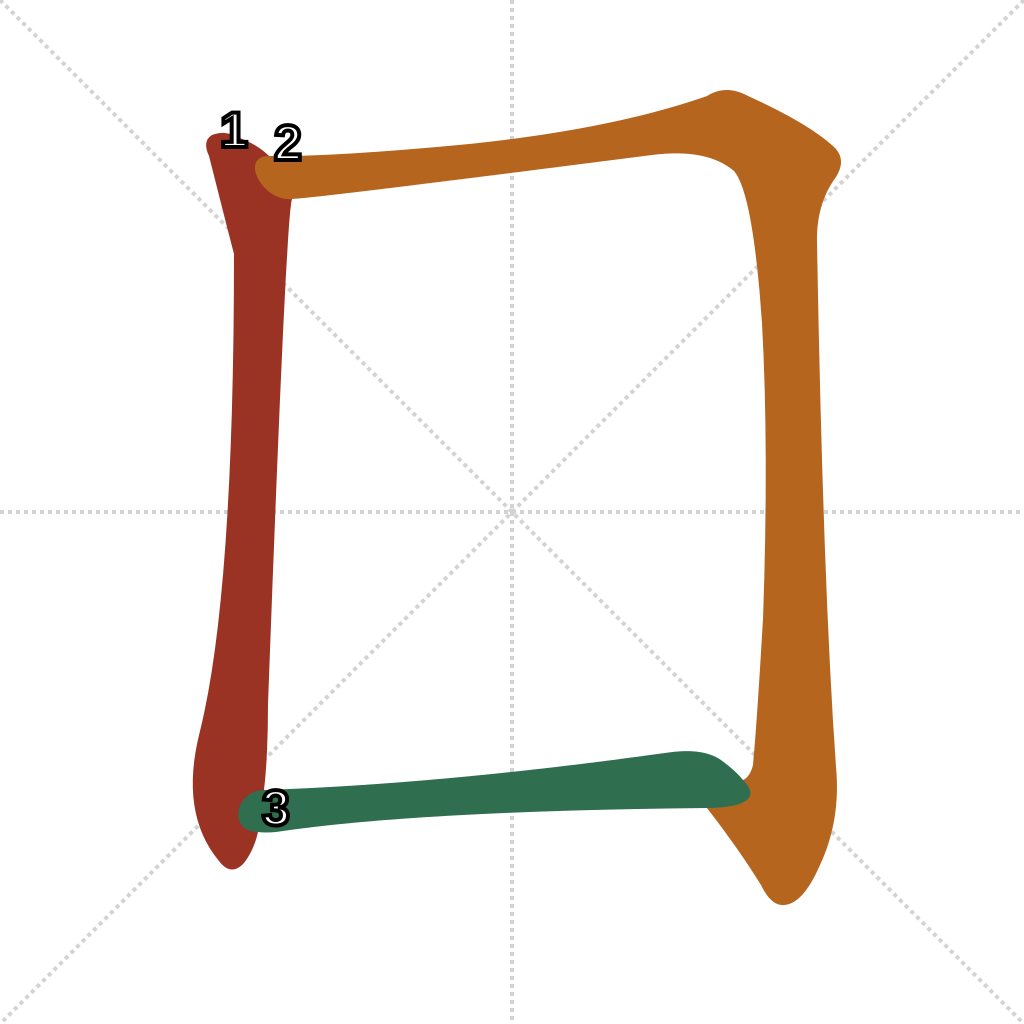
Stroke order
门 — 3 strokes
囗 — 3 strokes
Examples using these components
Starting with 门. Reusing 亻 from Lesson 1:
们plural suffix for people
亻 ("person," semantic) carries the meaning and 门 is purely phonetic — it hints at the sound mén, the same role Lesson 7's 山 played in 仙. 们 attaches to pronouns and people-nouns to make them plural: 我们 (wǒmen, "we"), 你们 (nǐmen, "you all"), 他们 (tāmen, "they") — three of the highest-frequency words in Mandarin, all built on this one suffix. (Wiktionary: 們)
门 wraps around 口 (mouth, Lesson 1) for the first true enclosure example:
问to ask
Reversed roles from 们: here 口 (kǒu, "mouth," semantic — asking is done with the mouth) carries the meaning, and 门 is again phonetic, this time for the sound wèn. 请问 (qǐngwèn, "excuse me, may I ask" — 请 from Lesson 12) is the standard way to politely open a question to a stranger. (Wiktionary: 問)
门 wraps around a second known component — with a documented change in its history:
间between, interval; room
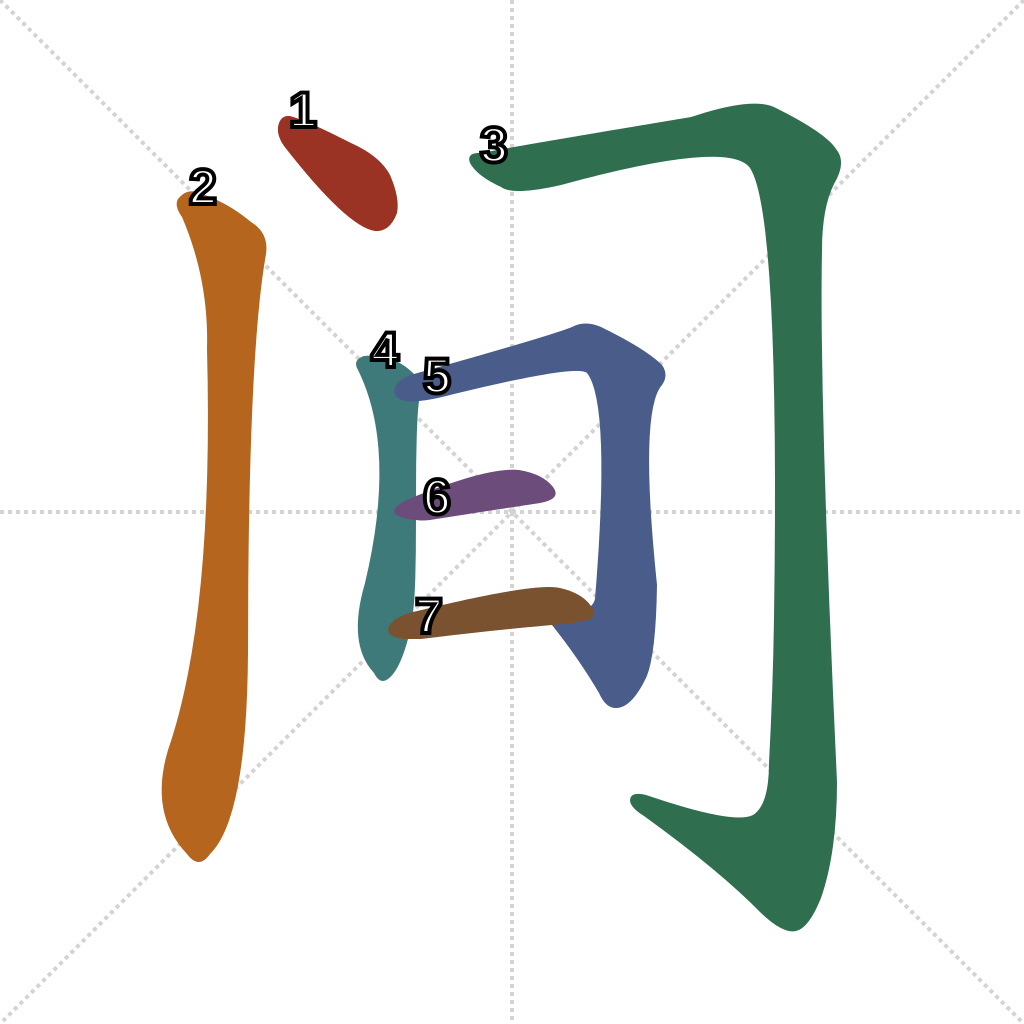
This character's older form used 月 (moon, Lesson 8) instead of 日 (sun, Lesson 1) — 门+月 depicted moonlight slipping through the gap of a door, an ideogram for "a gap, a space between." The 日 version is an old variant, not a 20th-century invention, but it's the one mainland simplification standardized on. Either way, the idea is the same: a sliver of light between two door panels. 中间 (zhōngjiān, "in the middle, between" — 中 from Lesson 3) and 洗手间 (xǐshǒujiān, "restroom," literally "wash-hand-room" — 洗, xǐ, "to wash,", 手 from Lesson 11) both build on this. (Wiktionary: 間)
Now 囗. A character you'll see on every border crossing and every map of Asia:
国country, nation
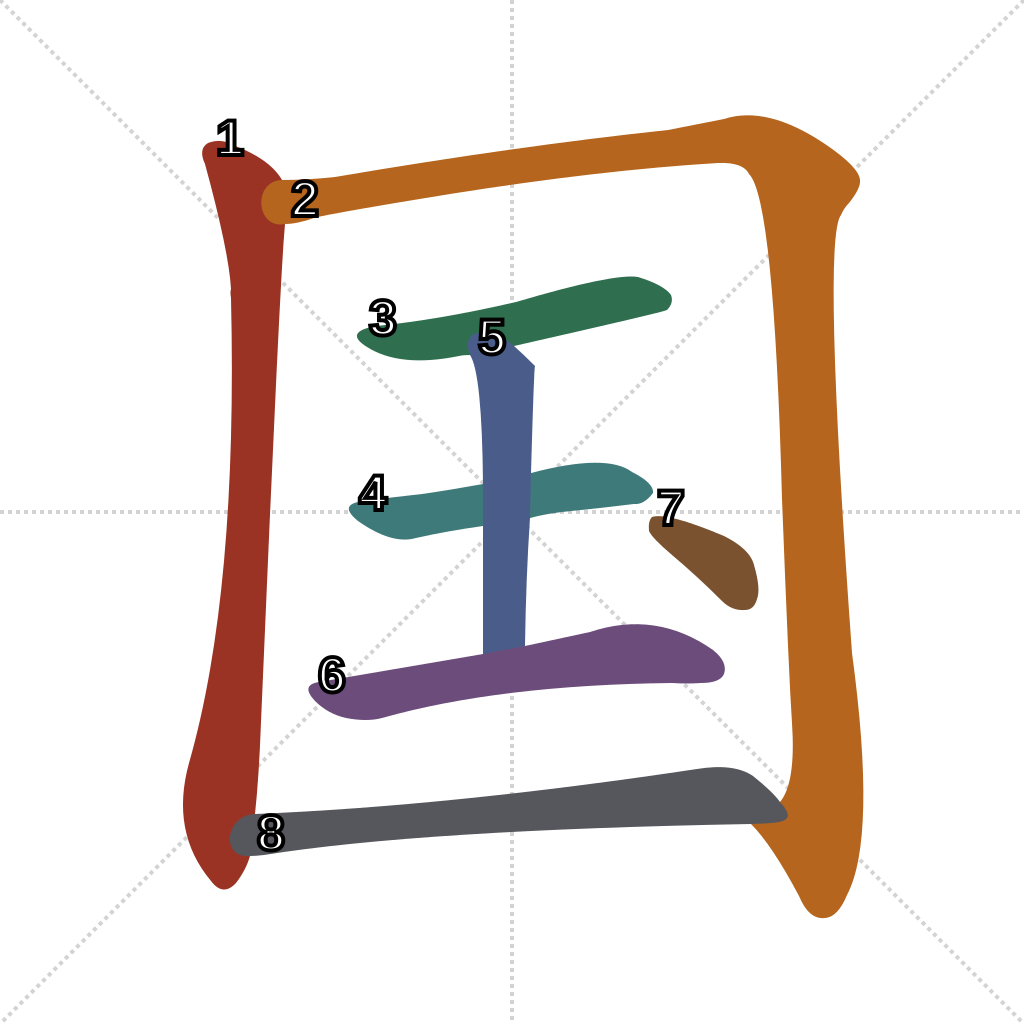
The traditional form 國 paired 囗 ("boundary," semantic) with 或 (huò, "or; perhaps" — a phonetic here, whose Old Chinese pronunciation *ɡʷɯːɡ was close enough to 國's to carry the sound). The 20th-century simplification swapped that phonetic out for 玉 (yù, "jade"), giving the shape you see today: a boundary enclosing something precious. 玉 no longer contributes sound in this character — the "treasure guarded within borders" reading is a useful mnemonic. We now have the second component needed to form 中国 (Zhōngguó, "China," literally "the middle country") which we covered in Lesson 3 . (Wiktionary: 國, 国)
The same substitution pattern as 国 — a real phonetic swapped for a simpler one with a matching sound, this time keeping its job as sound rather than becoming symbolic:
园garden, park
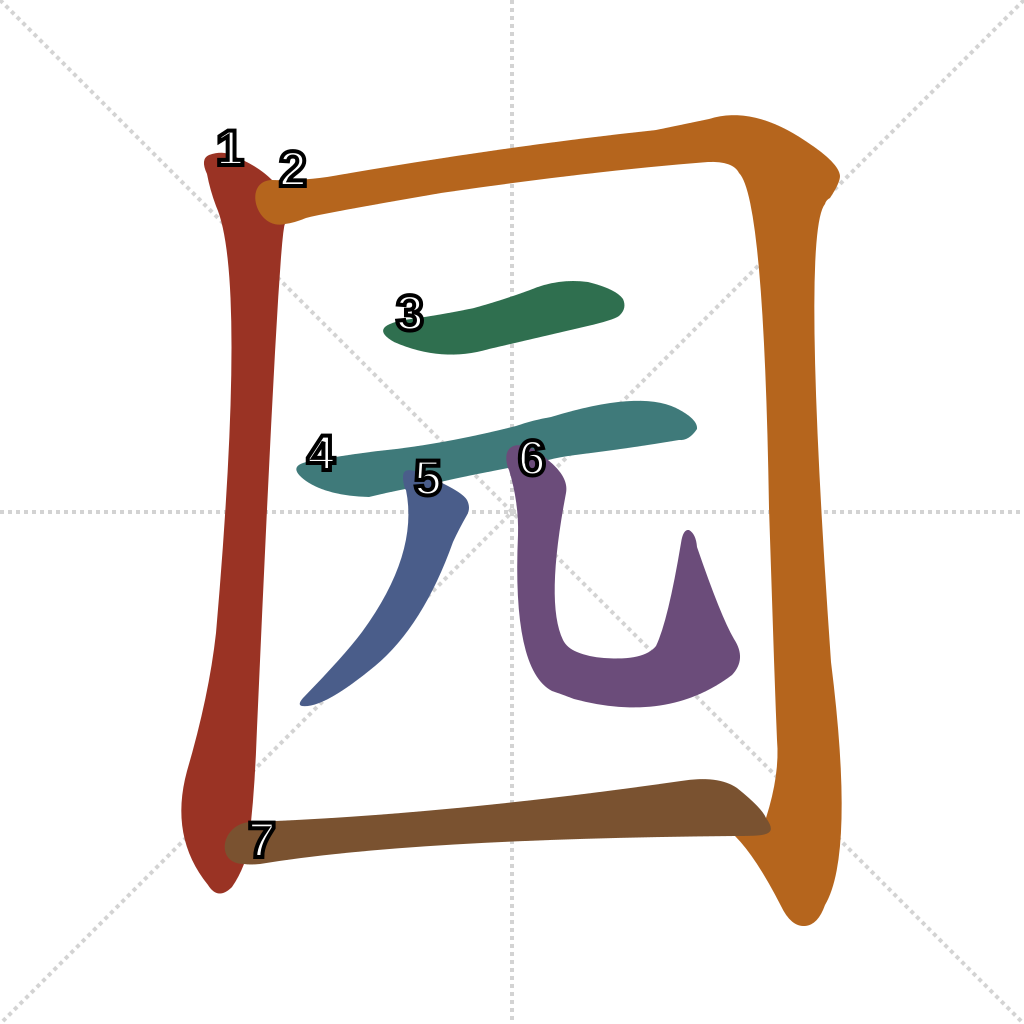
The traditional form 園 paired 囗 ("enclosure," semantic — a walled plot of ground) with 袁 (a surname character, phonetic here, Old Chinese *ɢʷan). Simplification replaced 袁 with 元 (yuán, "origin, first; also the currency unit 'yuan'"), a much simpler character with a near-identical Old Chinese sound. Unlike 国's 玉, 元 here is doing the same phonetic job 袁 always did — just with fewer strokes. 公园 (gōngyuán, "public park") — 公 (gōng, "public") is the word you'll see on street signs pointing to green space in any Chinese city. (Wiktionary: 園)
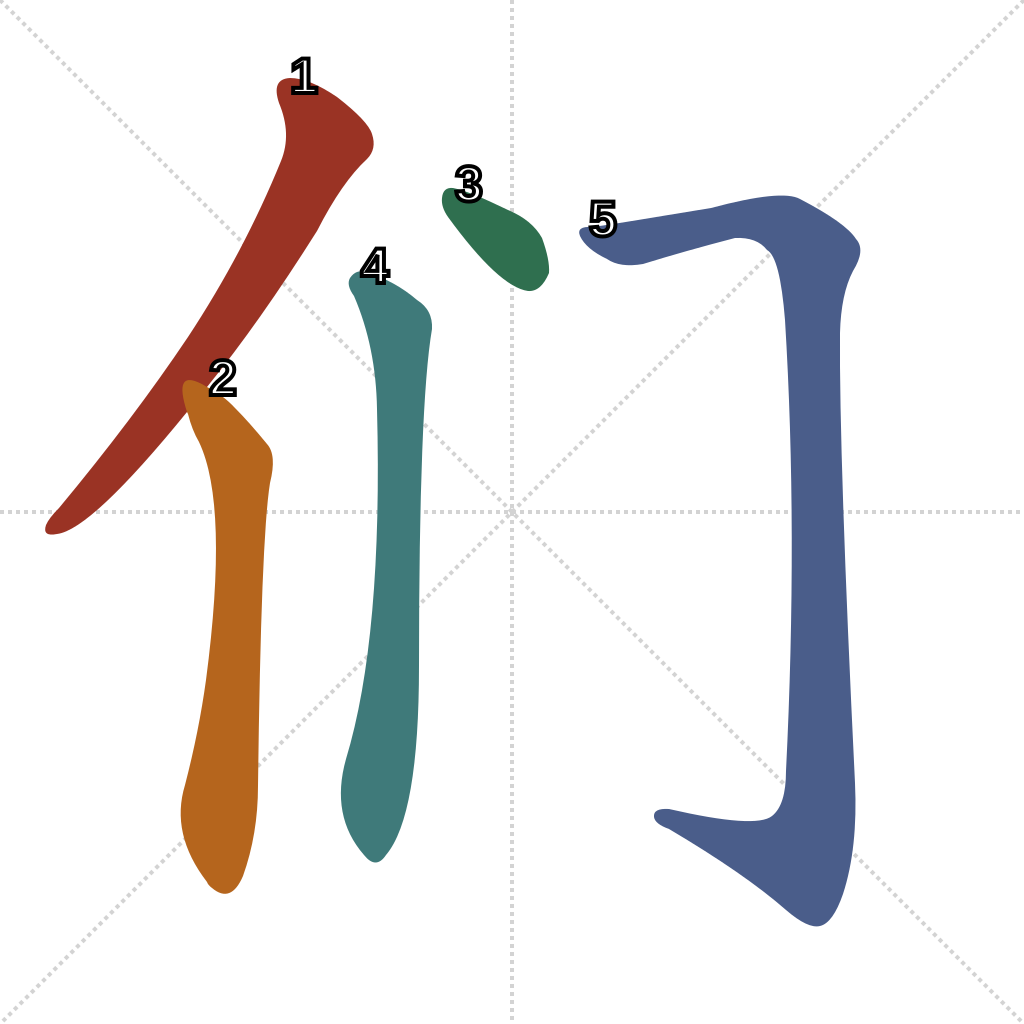
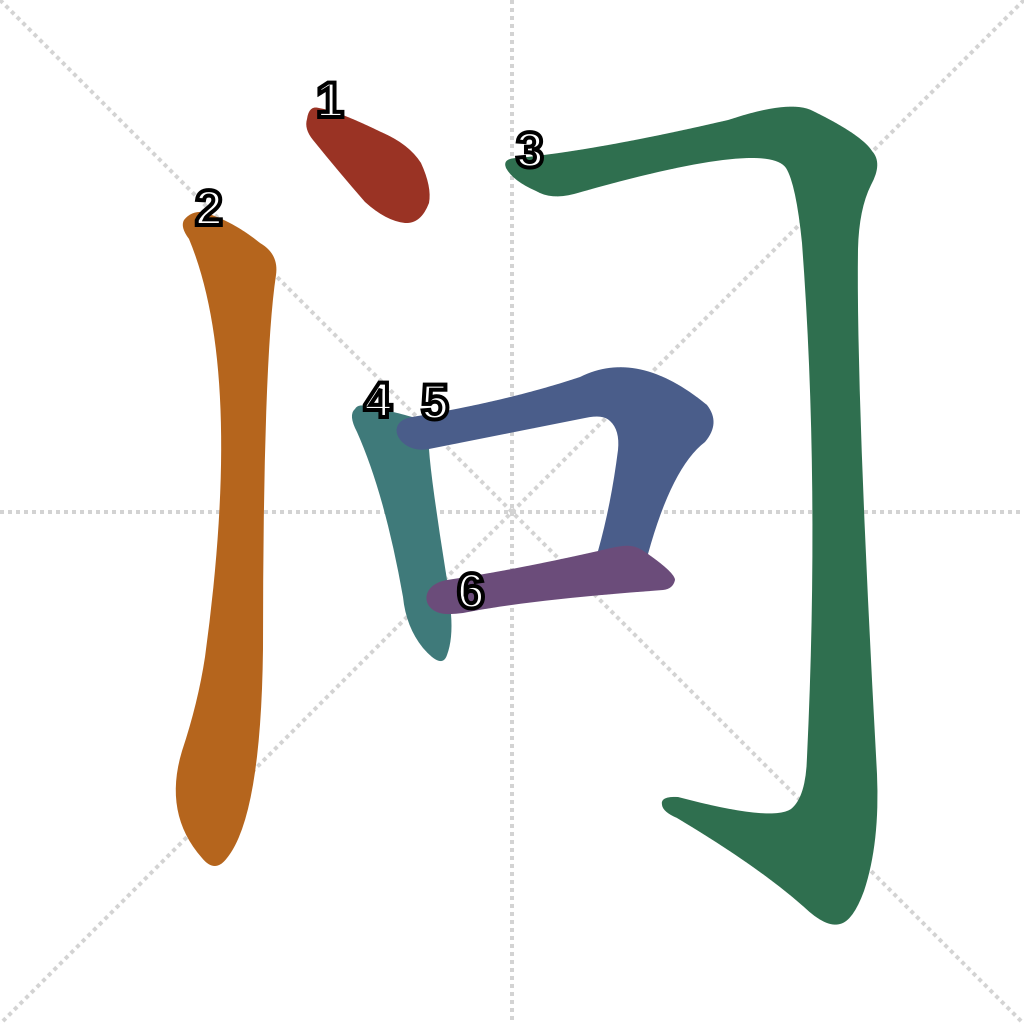
Stroke order for today's characters
们 — 5 strokes
问 — 6 strokes
间 — 7 strokes
国 — 8 strokes
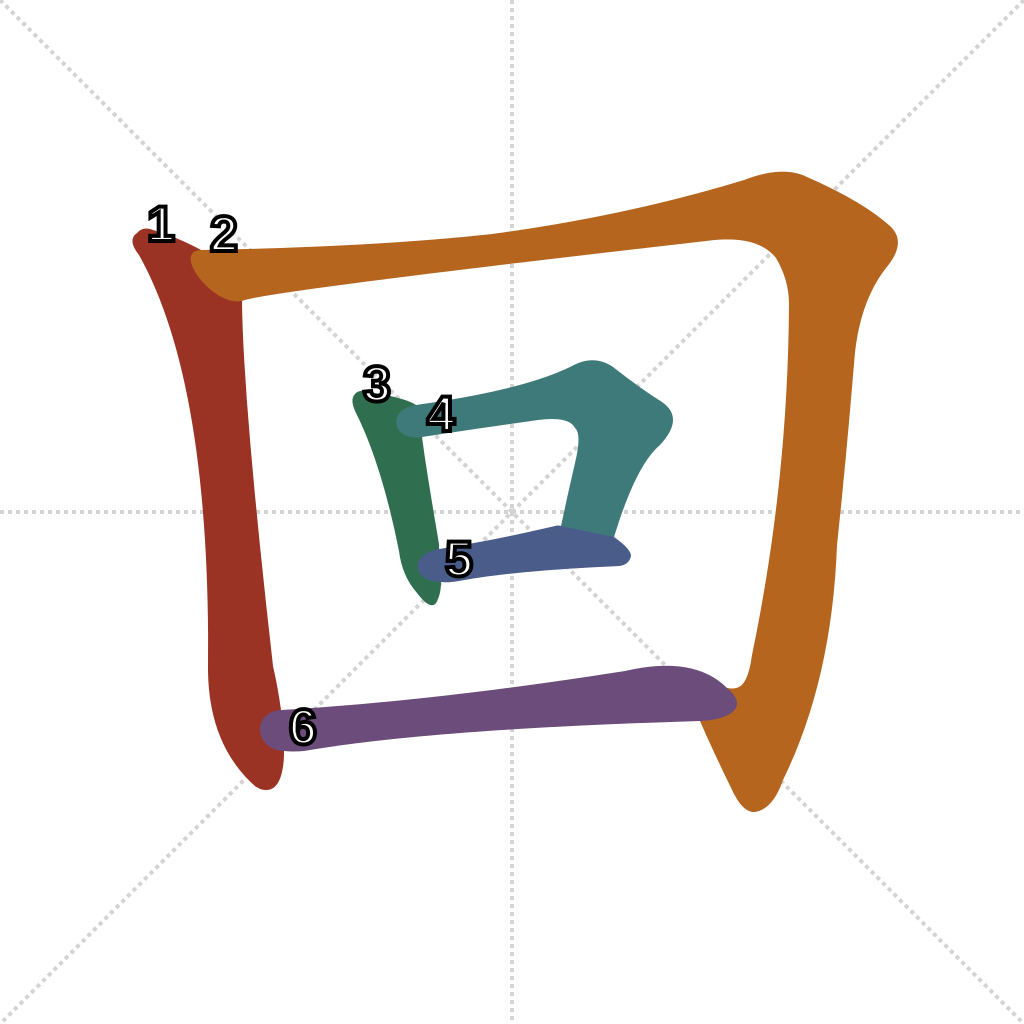
回 — 6 strokes
园 — 7 strokes
Check your recall
门 differs from 囗 because it wraps around:
In 们 (亻+门), 门 functions as:
间's older form paired 门 with which component to show moonlight through a gap?
In 国 (囗+玉), the simplification replaced which traditional phonetic component?
回 (to return) is best described as:
中国 (Zhōngguó, "China") literally breaks down as:
Go further
Etymology sources for every character above are linked inline. For the rigorous version of any of them, see the Outlier Dictionary of Chinese Characters.
Out in the world: 我们/你们/他们 — "we," "you all," "they" — are three of the most common words in the entire language, now decomposable instead of memorised as blobs. 请问 opens countless polite requests, and 洗手间 / 卫生间 (wèishēngjiān, "restroom" — 卫生, wèishēng, "hygiene,") are two of the most useful signs to recognise while travelling. 中国 is the word for China itself. 回国 shows up constantly around visas and travel. 公园 marks parks on street signs and maps in every Chinese city.