Lesson 14 · Foundational Components
Roof, Cliff, Shelter: 宀 / 厂 / 广
Lesson 13 gave you 门 (a three-sided door frame) and 囗 (a four-sided boundary). Today's three components are all buildings, but with less and less structure to them — a scale of "how much shelter is really there." 厂 is just a bare cliff face: no roof at all. 广 adds a roof leaning against that same cliff, open on one side. 宀 is the most built-up of the three: a freestanding roof with two eaves, closed on both sides, open only at the bottom.>
Your three new components
Quick recall — click each card to flip it:
Stroke order
厂 — 2 strokes
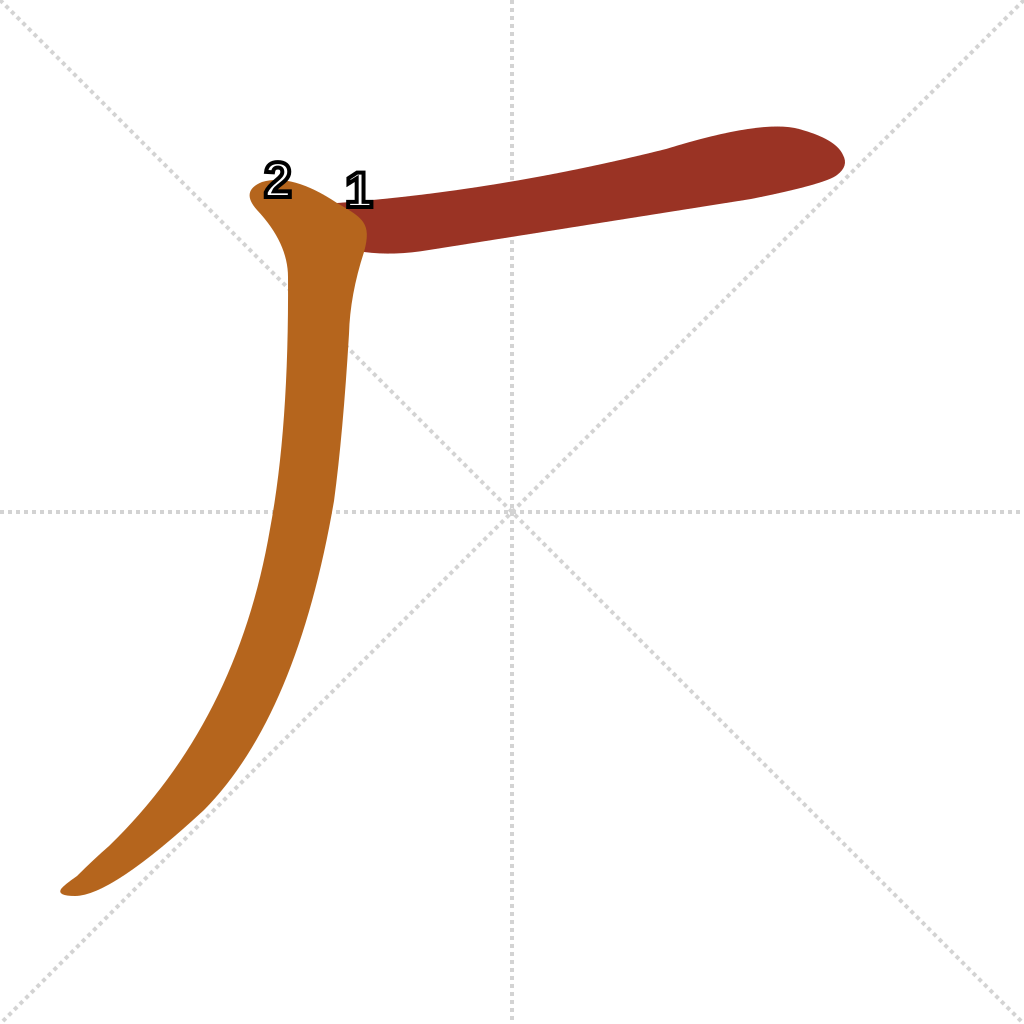
广 — 3 strokes
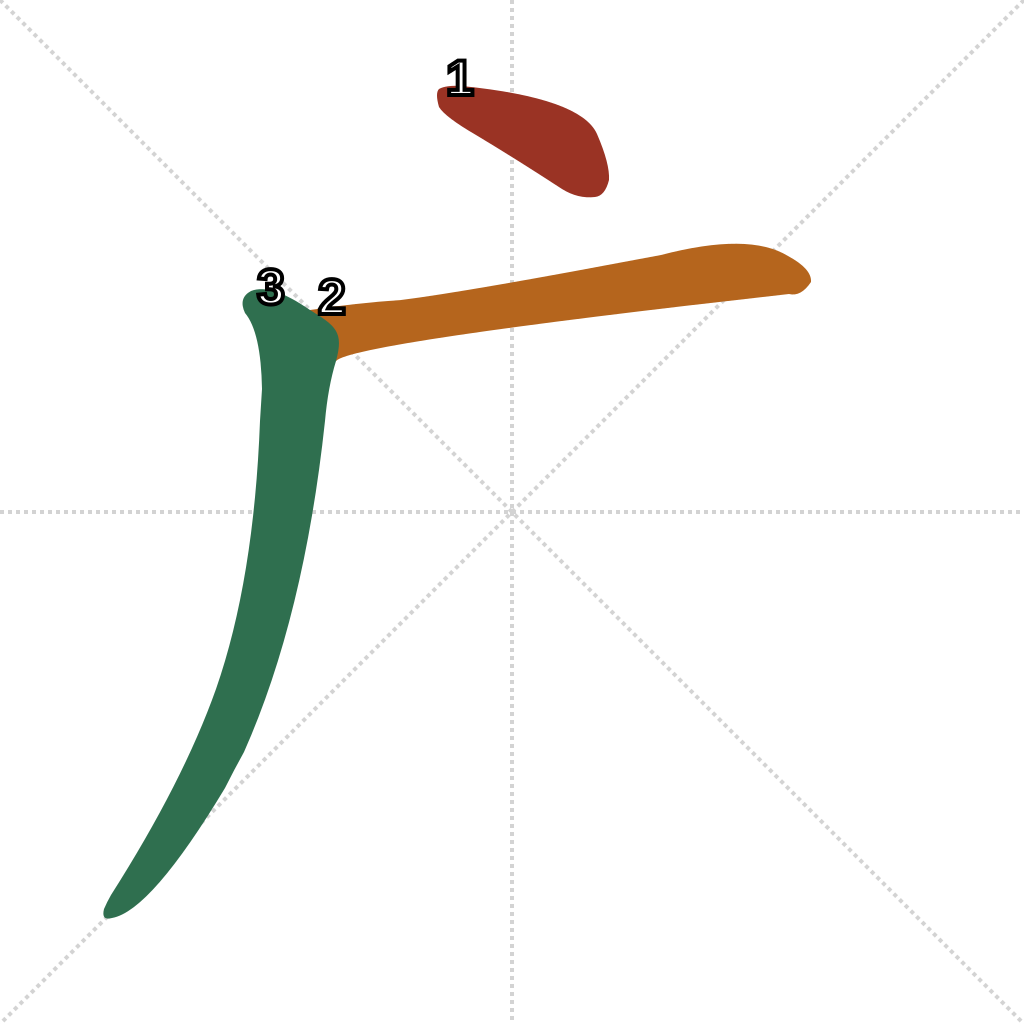
宀 — 3 strokes
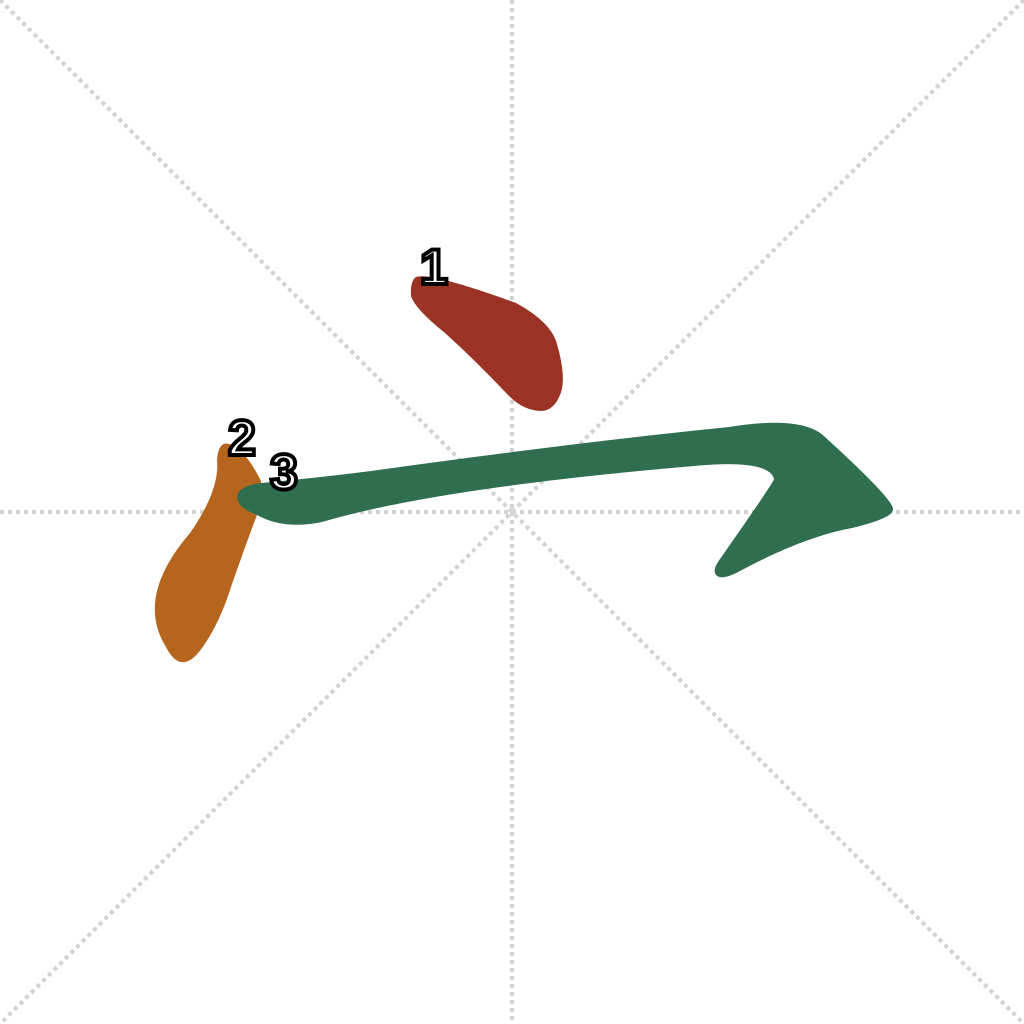
Examples using these components
Starting with 广 — a textbook semantic-phonetic pairing:
店shop, store
广 ("building, shelter," semantic) pairs with 占 (zhàn, "to occupy" or "to divine", here purely phonetic) to give a word for a physical place of business — literally something like "a structure that's occupied." 商店 (shāngdiàn, "shop, store" — 商, shāng, "commerce,") is the everyday word you'll actually see on signage. (Wiktionary: 店)
Now 厂 — a case where simplification quietly built a new character from scratch, rather than trimming the old one:
厅hall, large room
厂 ("cliff," reused here as a plain building-shape, semantic) pairs with 丁 (dīng, "nail", purely phonetic here) to give 厅. Its traditional ancestor 廳 is built completely differently, with no 厂 or 丁 in it at all — the simplified form isn't a trim of the old character, it's a fresh phono-semantic compound assembled from cheaper, common pieces that happen to sound right. 客厅 (kètīng, "living room" — 客, kè, "guest,") is the word you'll meet most. (Wiktionary: 厅)
Now 宀 — the character behind one of the most common words in the language, and a famous case where the popular story doesn't match the real history:
家home, family
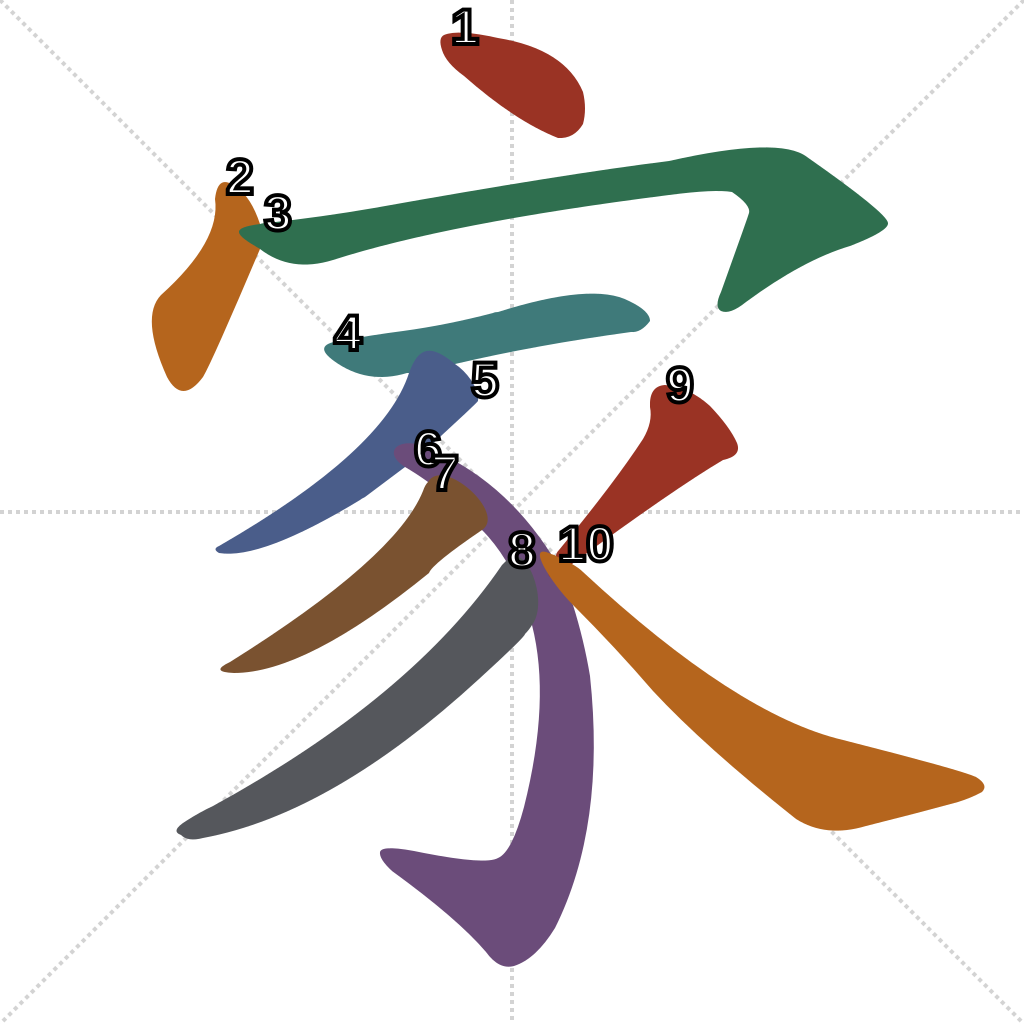
The modern glyph does pair 宀 ("roof," semantic) with 豕 (shǐ, "pig"), which is where the popular "a pig under a roof means home" mnemonic comes from. But per Wiktionary, that's a folk etymology: the original phonetic component was 𢑓 (xiá, "male pig" — a different, now-obsolete glyph), which later generations miscopied into the more familiar 豕. So the meaning ("home") was always carried by 宀; the sound-piece just drifted into a shape that happens to also mean "pig." 国家 (guójiā, "country, nation" — 国 from Lesson 13) literally combines "boundary" with "home." (Wiktionary: 家)
A character whose popular mnemonic is close, but not quite exact, about which piece is doing what:
安peace, safety
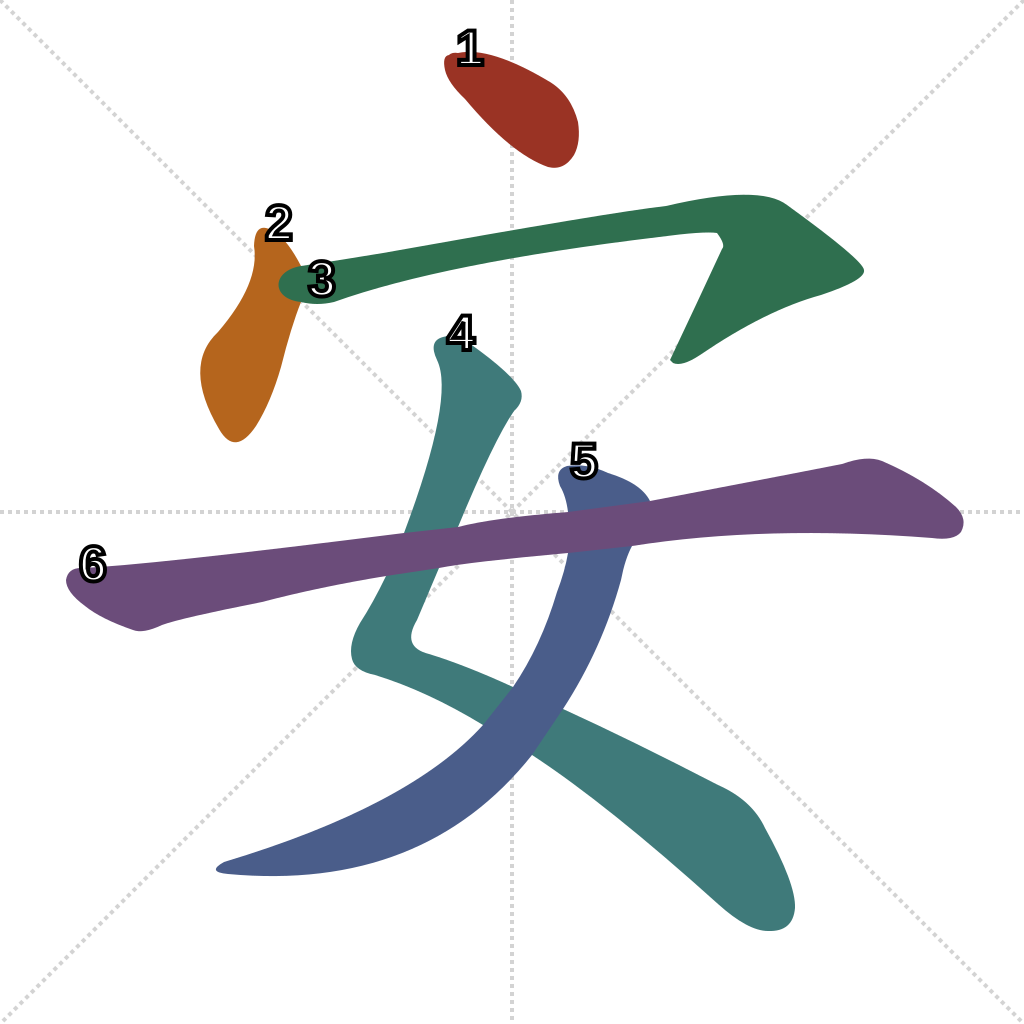
宀 ("roof," semantic) is straightforward. The lower piece looks exactly like 女 (nǚ, "woman," Lesson 2) today, and "a woman under a roof means peace" is the story you'll see repeated everywhere. Wiktionary's technical read is more precise: the lower piece is phonetic, and it originally depicted "a seated person" — a distinct glyph that merged in shape with 女 over time, rather than being 女 itself from the start. The "woman at home = safety" reading is a fine memory hook; just know it's a simplification of the real phonetic history, not a literal claim about the character's design. (Wiktionary: 安)
And the character for the very thing this course teaches:
字(written) character, word
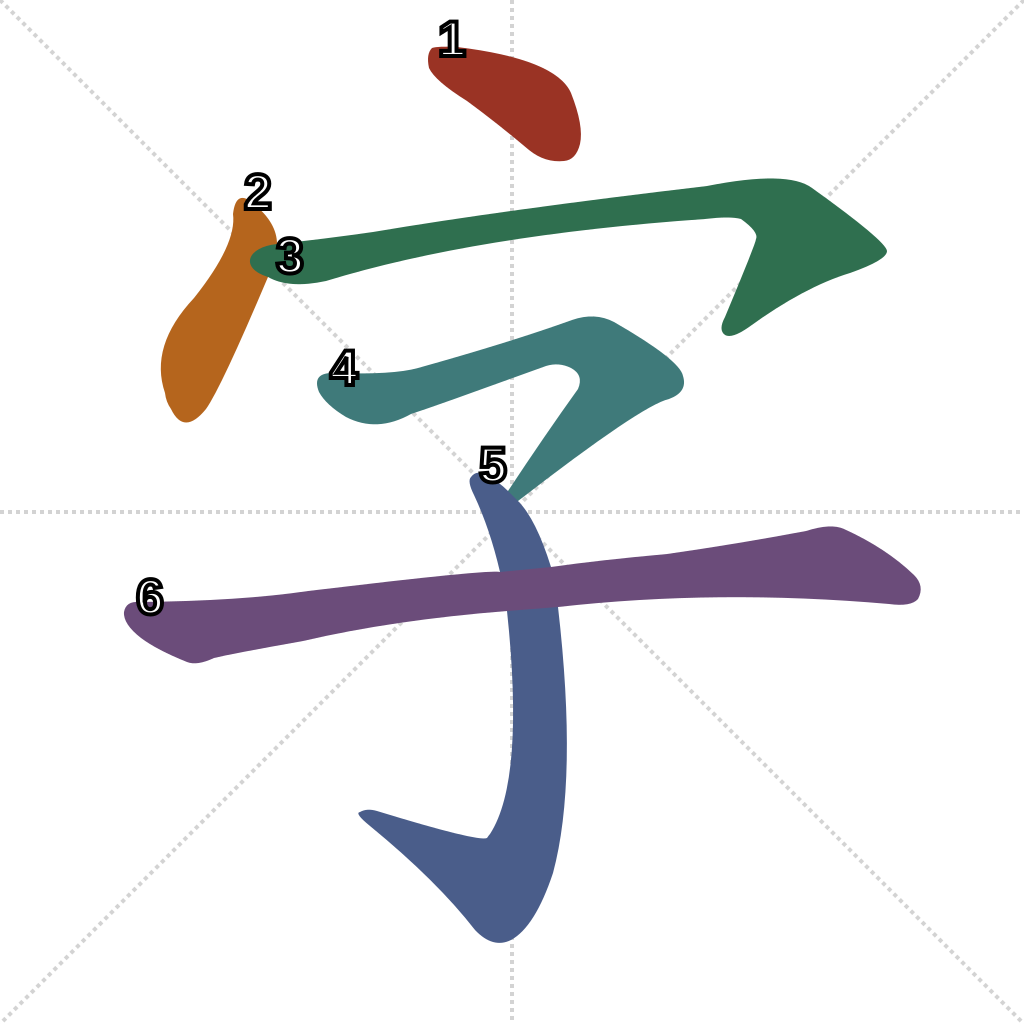
宀 ("roof" — a house, or by extension a school, where a child is raised and taught) pairs with 子 (zǐ, "child," reused from the same Lesson 2 you just saw again in 安's story) as the phonetic. 汉字 (hànzì, "Chinese character" — 汉, hàn, "Han [the majority Chinese ethnicity/language],") is literally the name for every glyph you've been learning in this course. (Wiktionary: 字)
Stroke order for today's characters
店 — 8 strokes
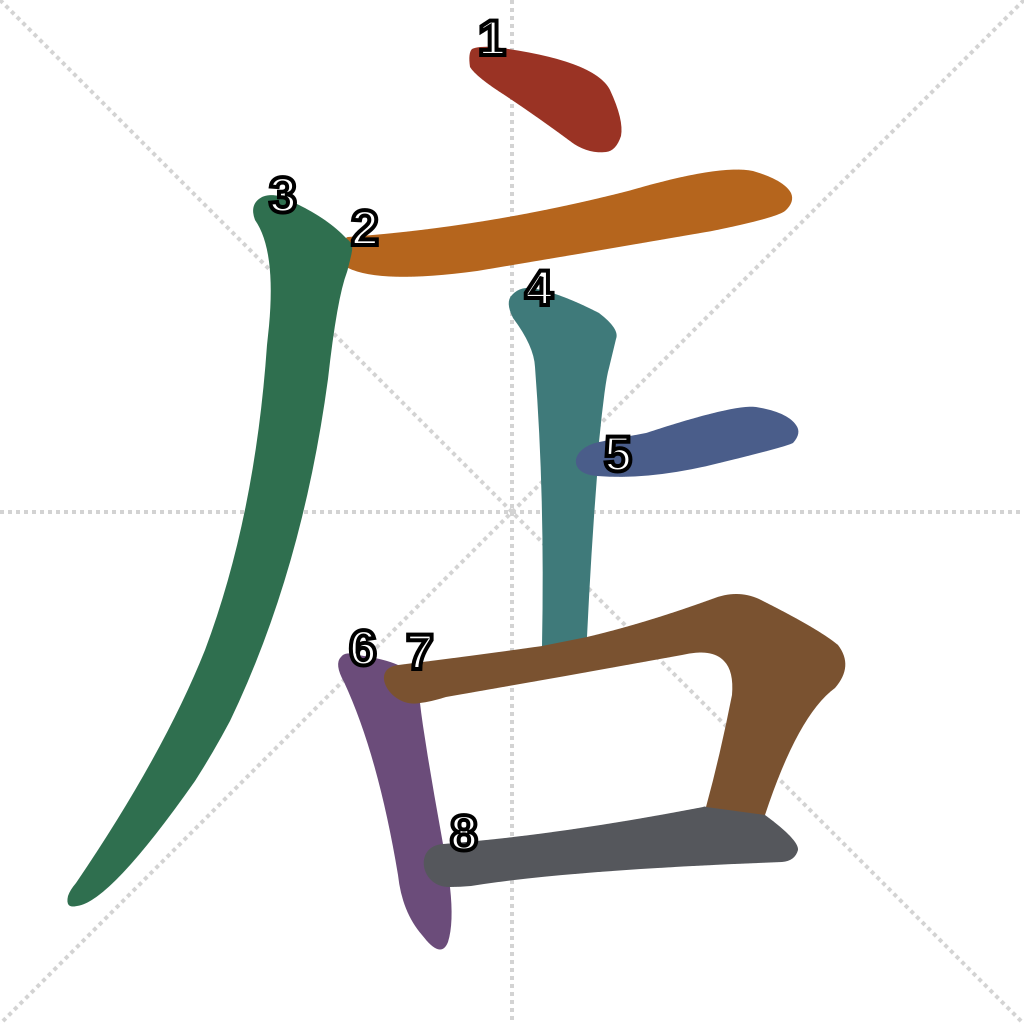
厅 — 4 strokes
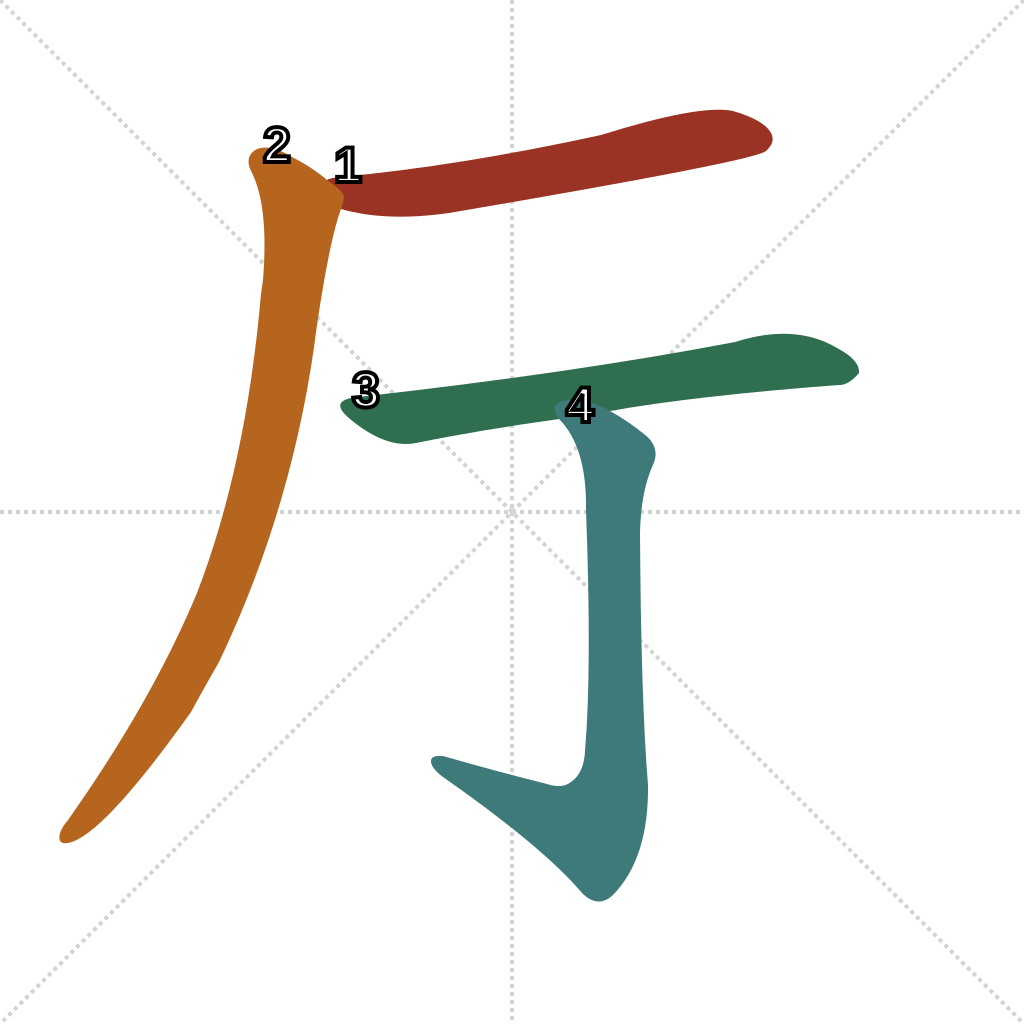
家 — 10 strokes
安 — 6 strokes
字 — 6 strokes
Check your recall
Of 厂, 广, and 宀, the one with no roof at all — just a bare cliff face — is:
As a modern standalone word, 广 is the simplified form of 廣, meaning:
In 店 (shop), the phonetic piece 占 contributes:
Compared to 厅, its traditional ancestor 廳 is:
The "pig under a roof" story for 家 (home) is best described as a:
In 安 (peace), the lower part — shaped like 女 — was originally a phonetic depicting:
字 (character, word) pairs 宀 with 子 — the same component Lesson 2 taught to mean:
Go further
Etymology sources for every character above are linked inline. For the rigorous version of any of them, see the Outlier Dictionary of Chinese Characters.
Out in the world: 厂 stands alone constantly in 工厂 (gōngchǎng, "factory" — 工, gōng, "work, labor,"), stamped on shipping and packaging everywhere. 广 shows up the same way in 广场 (guǎngchǎng, "square, plaza" — 场, chǎng, "open ground,"), the word on signs for any big public plaza. 商店, 饭店 (fàndiàn, "restaurant, hotel" — 饭, fàn, "cooked rice, meal,"), 客厅, and 餐厅 (cāntīng, "dining hall, restaurant" — 餐, cān, "meal,") are among the most common building-name endings you'll read on storefronts and floor plans. 家 shows up everywhere — 国家 and 回家 (huíjiā, "to go home" — 回 from Lesson 13) are both extremely common. 安 appears in safety signage and in 平安 (píng'ān, "safe and sound" — 平,), a phrase you'll see at travel send-offs. And 字, the character for "character," is now yours — 汉字 is the actual name for what you've been learning this whole course.