Lesson 1 · Foundational Components
Building Blocks: Your First Five Components
You probably already recognise a handful of characters from flashcard apps. What those apps probably didn't show you: several of your easiest characters — 人, 木, 水, 口, 日 — aren't just standalone words. They're components that get reused, sometimes in a slightly different shape, inside hundreds of other characters. Once you can spot them inside something bigger, a lot of "memorise this whole word" work turns into "I already know the pieces."
Radical vs. component
A radical technically means one specific thing: one of the 214 index headers used to look characters up in a dictionary. A component is broader — any meaningful chunk a character is built from, whether or not it happens to be the dictionary radical. Most components are semantic (hint at meaning) or phonetic (hint at sound); some do both, some do neither.
Research backs this: explicitly teaching semantic components measurably helps learners infer the meaning of characters they've never seen before (Lin et al., PMC, 2017).
Your five components
All five below are pictographs — simplified line drawings of the real thing — which is why they're a good starting point. Click a card's flashcard below it once you've looked at the table to test recall.
Quick recall — click each card to flip it:
Stroke order, briefly
Simplified characters follow the mainland 1997 stroke-order standard. Two rules cover almost everything you'll need for now (see Arch Chinese's stroke order rules for the full set):
Rule 1: top-to-bottom, left-to-right — and horizontal before vertical
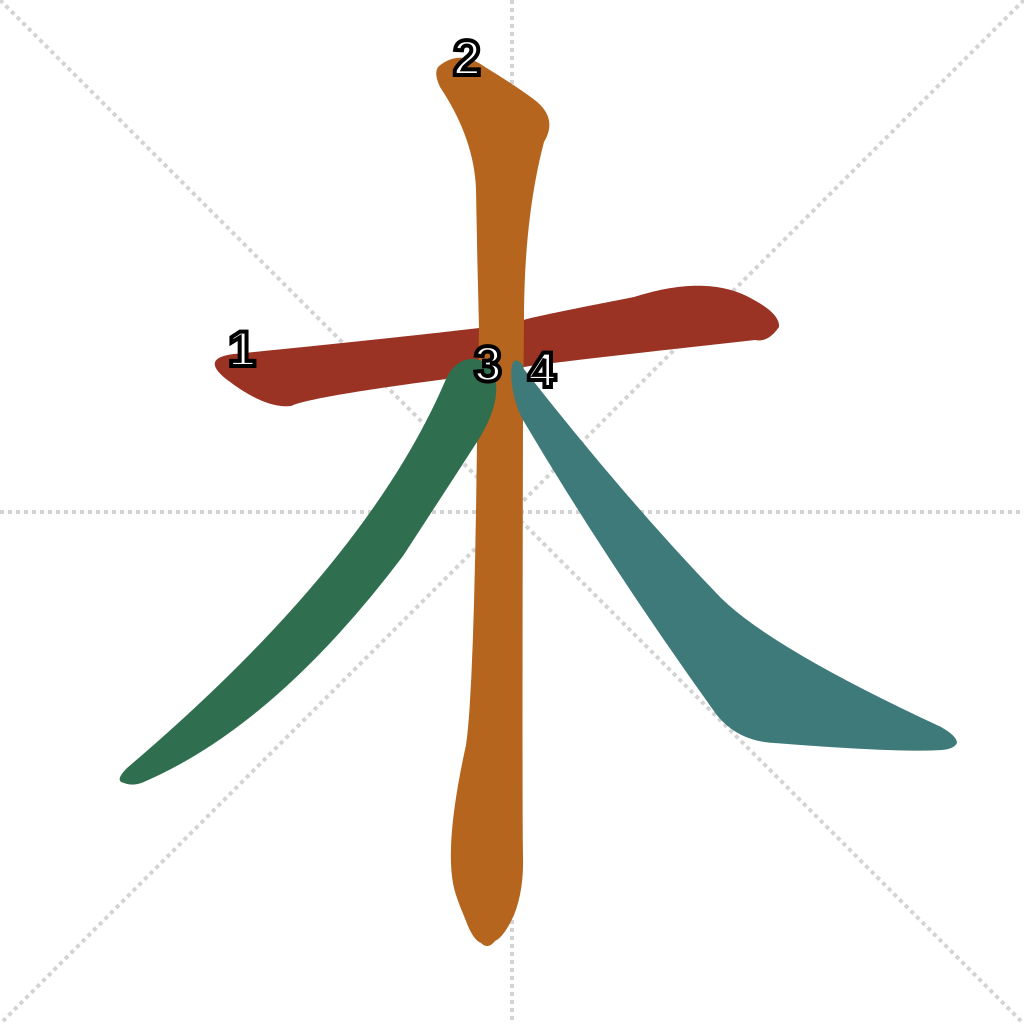
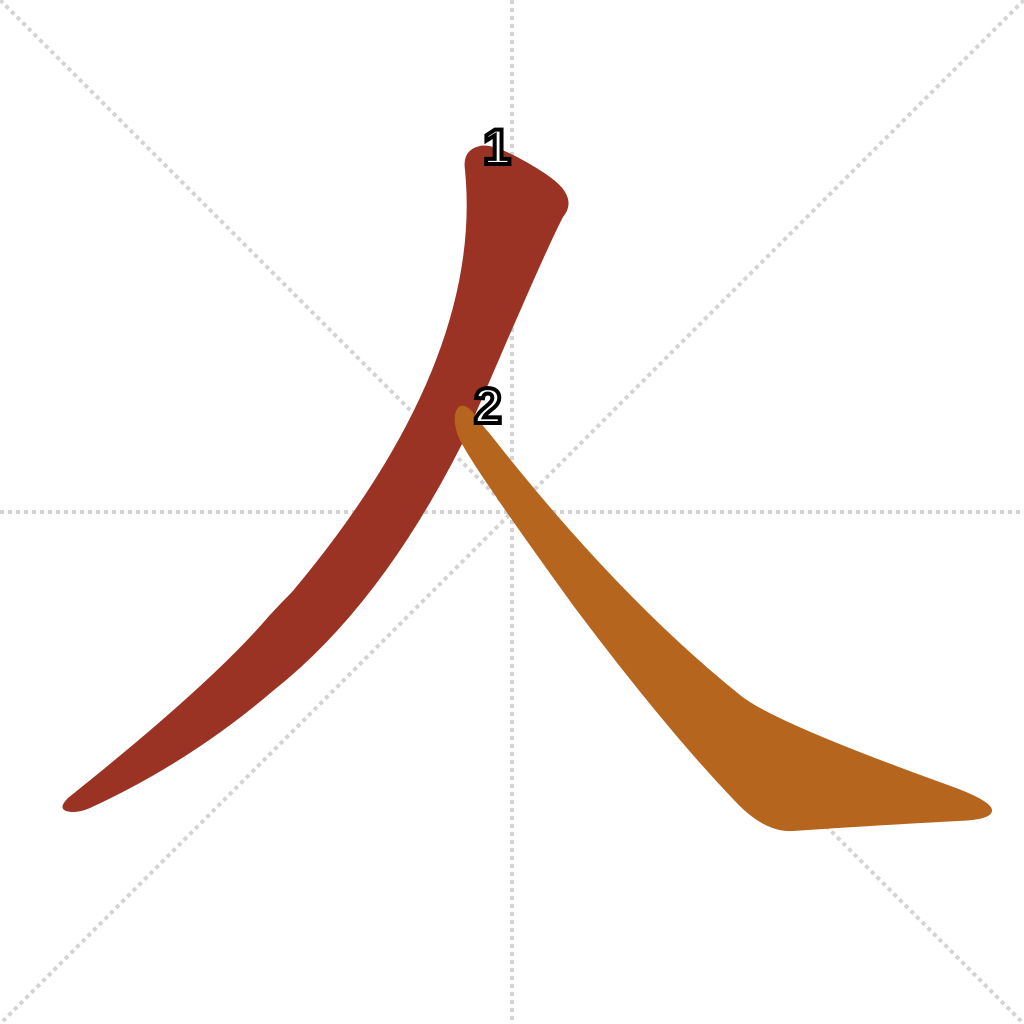
木 (mù) is a clean example: a horizontal stroke, then a vertical stroke straight through it, then the two diagonals, left side before right side. 人 (rén) is the simplest case of the same rule — just two diagonals, left before right:
Rule 2: outer strokes before the strokes they enclose, and close last
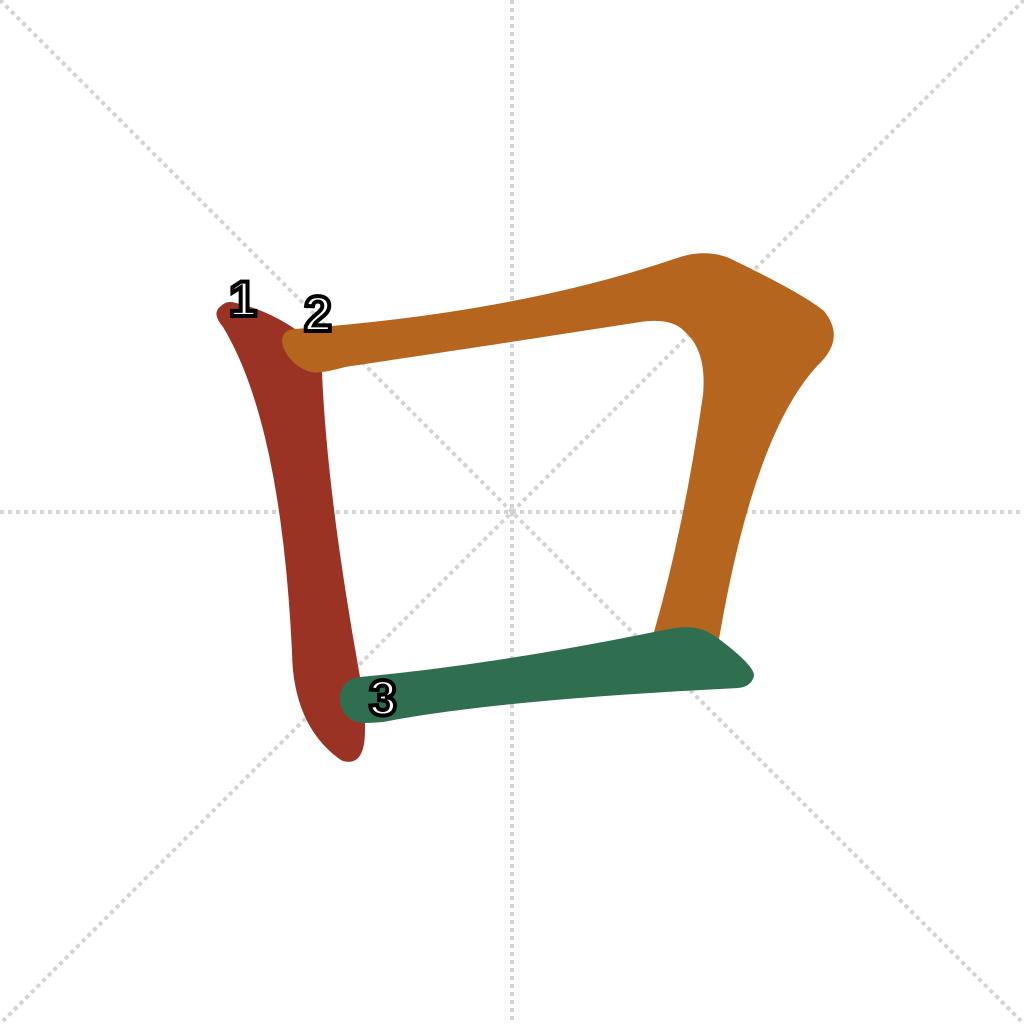
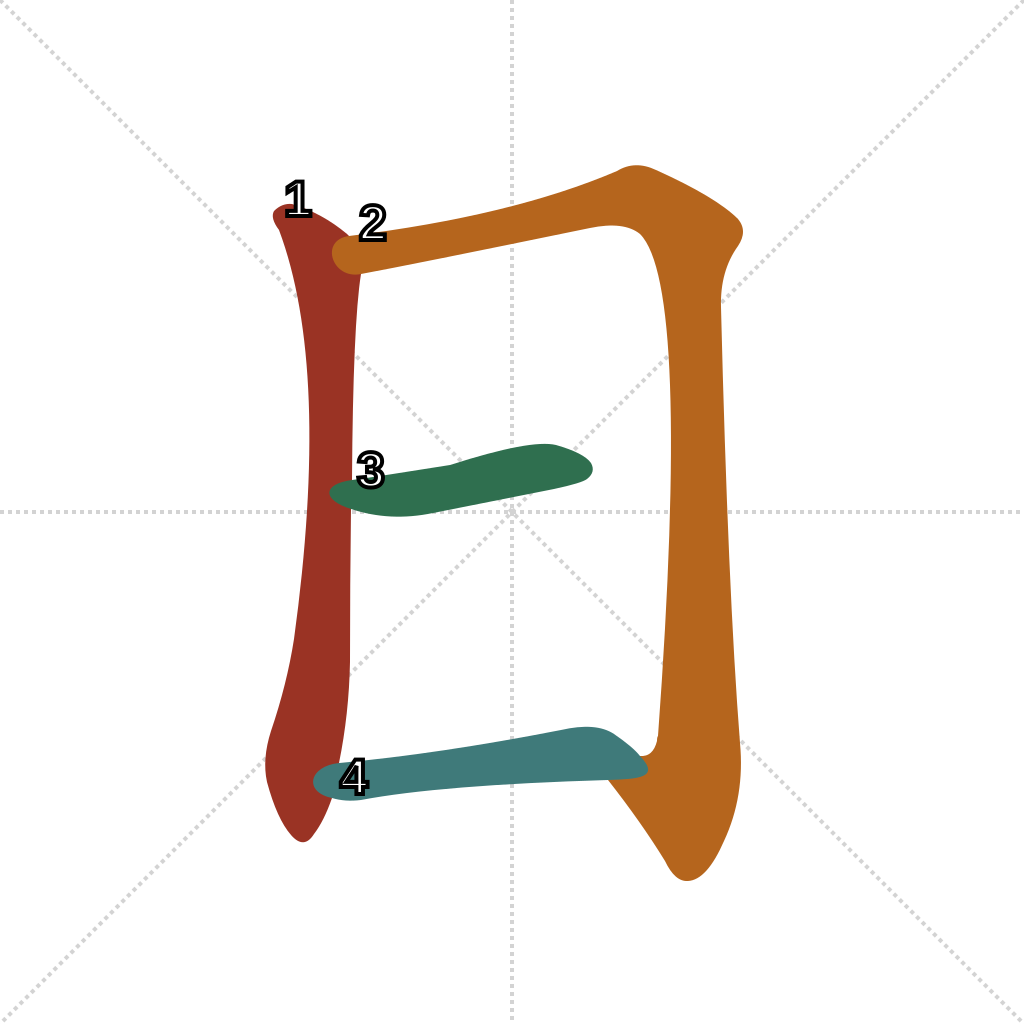
口 (kǒu) shows this: the left and top-right "frame" goes down first, then the closing bottom stroke seals it — never the other way round. 日 (rì) is 口 with one inner horizontal added, written before the closing bottom stroke:
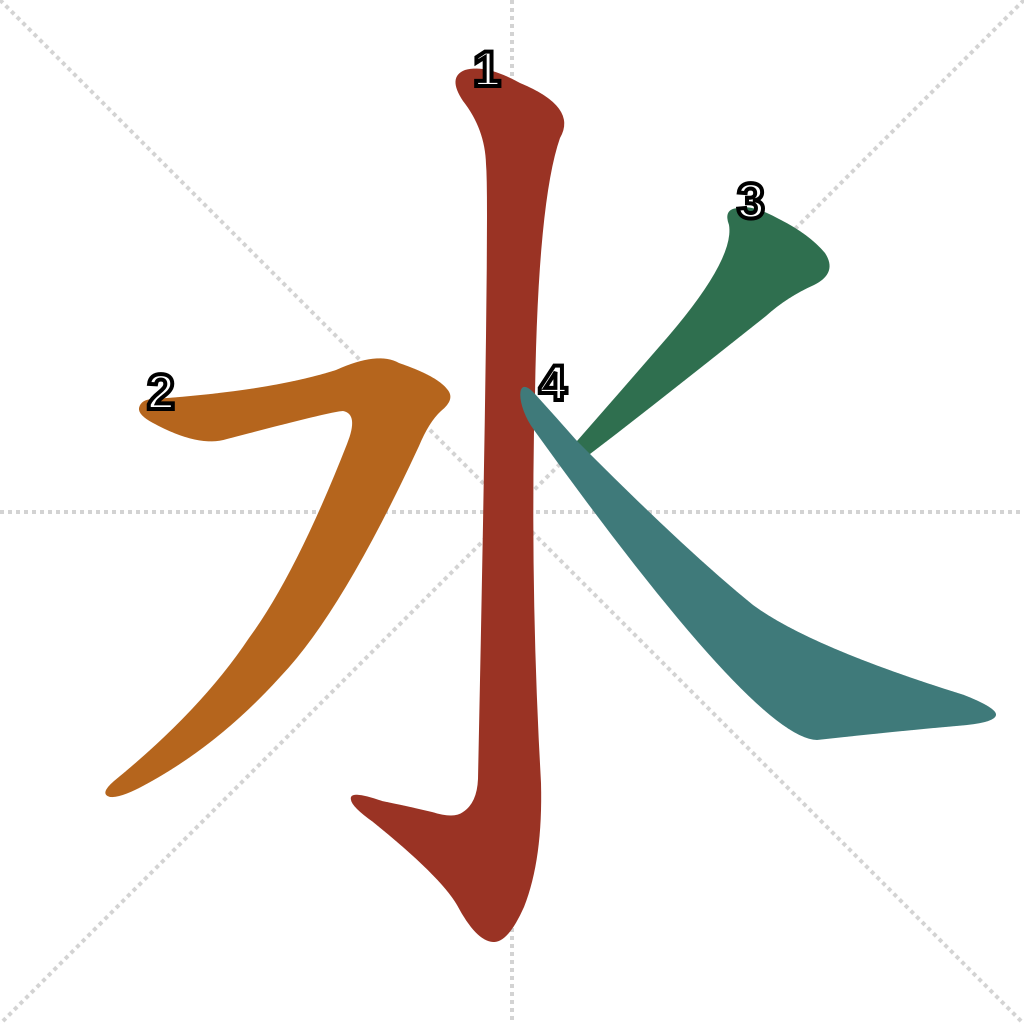
水 is the irregular one of the five — it starts from the centre rather than the left:
Examples using these components: combining components
Here are two real, common characters built only from components you already have:
休rest
A person (亻) leaning against a tree (木).
林forest, grove
Two trees side by side.
That's the whole mechanism this course is built on: most characters are not arbitrary shapes to memorise, they're 2-4 known pieces stacked together with a meaning (and sometimes a sound) clue baked in.
Check your recall
Which component means "tree / wood"?
林 (two 木 side by side) means:
休 combines 亻 (person) with which component?
When two strokes cross, which is written first?
Go further
Primary source for this lesson's framing: Olle Linge, "The most common Chinese words, characters and components for language learners and teachers" (Hacking Chinese). For a per-character deep dive whenever you're curious about one, the Outlier Dictionary of Chinese Characters is the most rigorous source available.
Out in the world: today, try spotting 人, 木, 水, 口, or 日 inside signs, menus, or packaging — even just as a part of something bigger you don't fully recognise yet.