Lesson 7 · Foundational Components
Mountain, Fire, Earth: 山 / 火 / 土
山 (shān, "mountain") has been waiting in the wings since Lesson 4, when it was named as the shape 出 resembles but isn't built from." Alongside it: 火 (huǒ, "fire"") and 土 (tǔ, "earth, soil"), which together with Lesson 1's 木 (mù, "tree") and 水 (shuǐ, "water") cover four of the five classical Chinese elements — 金 (jīn, "metal") is the one still missing, for a future lesson.
Your three new components
Quick recall — click each card to flip it:
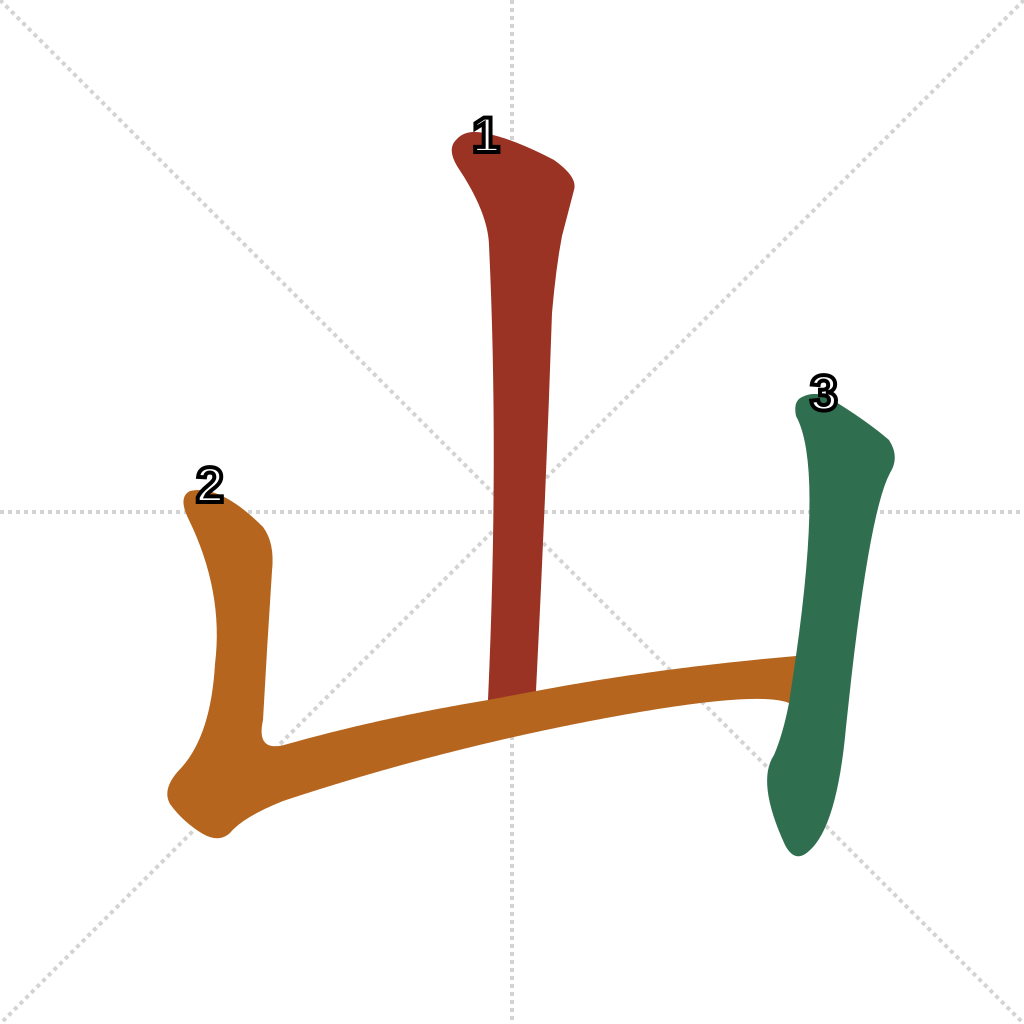
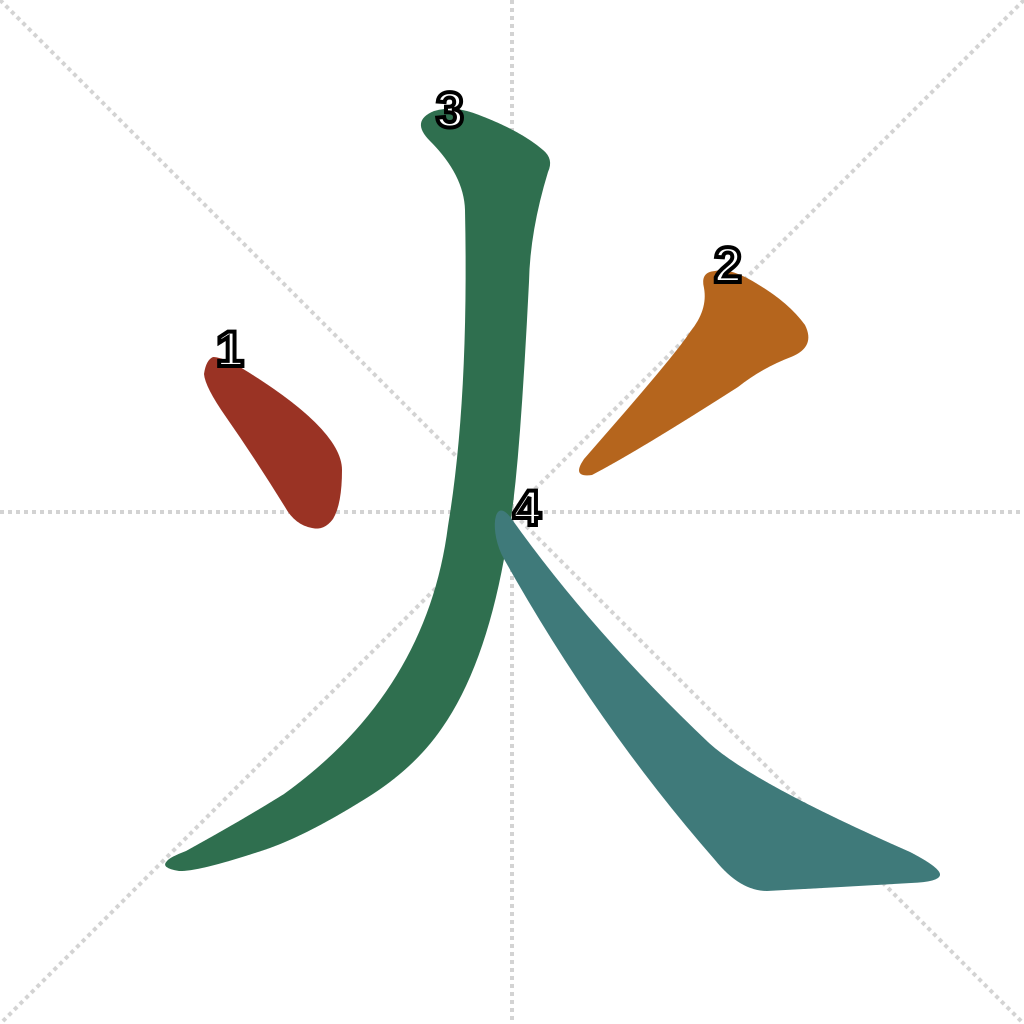
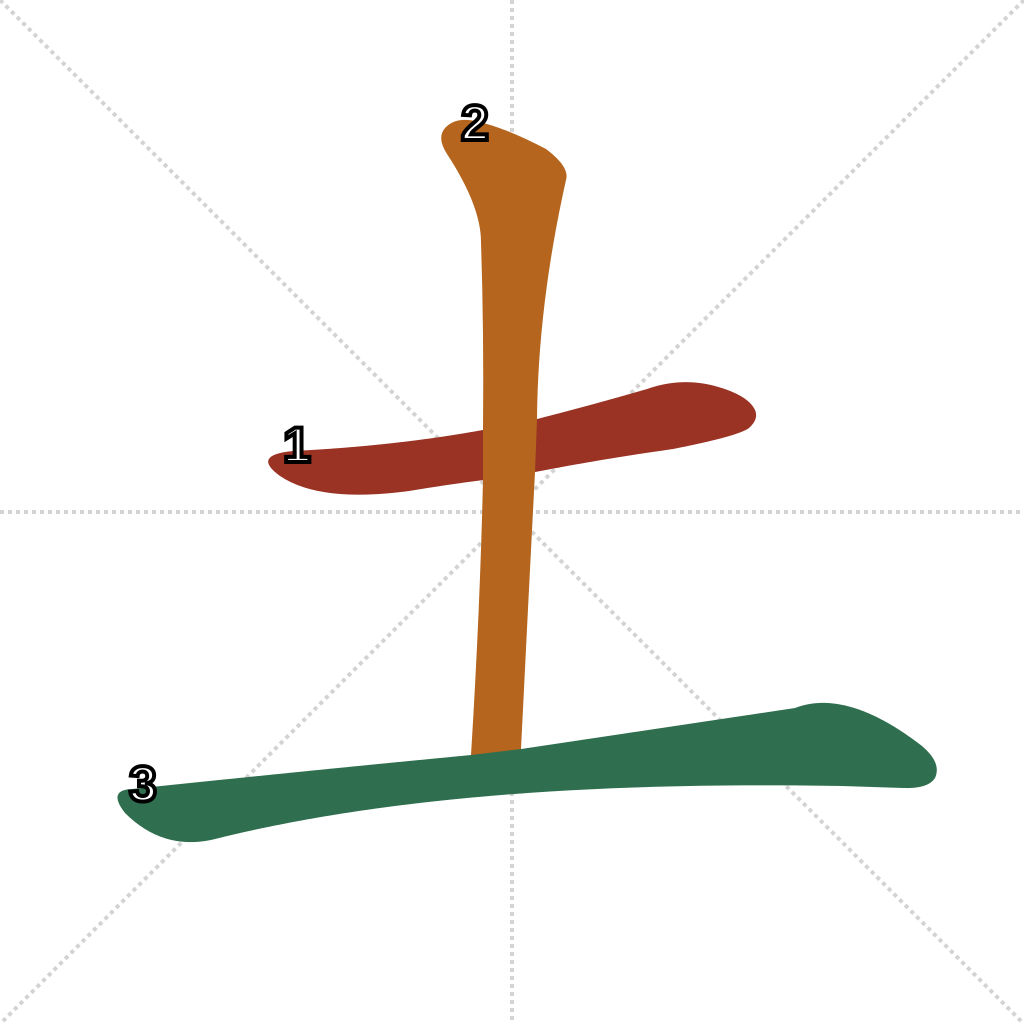
Stroke order
山 — 3 strokes
火 — 4 strokes
土 — 3 strokes
Examples using these components
Lesson 1's 林 (lín, "wood, grove") was two 木 stacked. One more makes it bigger:
森forest, dense woods
Three trees instead of two: a 林 you could walk through quickly is a 森 you could get lost in. (Wiktionary: 森)
Fire follows the identical doubling logic:
炎blaze, flame; inflammation
Fire intensified by repetition, the same logic as 林 — it shows up in 发炎 (fāyán, "to become inflamed") and 炎热 (yánrè, "scorching hot").
And 山 makes its first appearance in a real compound — reusing 亻 from Lesson 1:
仙immortal, fairy
The traditional image: a person (亻) withdrawing into the mountains (山) to cultivate immortality. Wiktionary's rigorous classification adds a layer this course hasn't shown you yet: 山 here isn't just contributing meaning, it's also a phonetic component — it hints at 仙's sound (both derive from a similar Old Chinese pronunciation), the other function Lesson 1's framework described but hadn't yet given you a clean example of. (Wiktionary: 仙)
Check your recall
Which component is a pictograph of three mountain peaks?
火 becomes which shape at the bottom of characters like 灰 and 灸?
仙 (亻+山) traditionally depicts:
Compared to 林 (two 木), 森 (three 木) suggests:
Go further
Etymology sources for every character above are linked inline. For the rigorous version of any of them, including the full phono-semantic analysis of 仙, see the Outlier Dictionary of Chinese Characters.
Out in the world: 山 turns up constantly in place names and hiking/scenic signage (anywhere there's a mountain to name); 火 in safety signage (灭火器 "fire extinguisher," 禁止吸烟 areas) once you also know a few more characters; 土 less often standalone, but it's the seed for an entire family of "earth-related" characters still to come.