Lesson 6 · Foundational Components
Counting to Ten, Completed: 四 / 五 / 六 / 七 / 八 / 九
The six digits Lesson 5 promised. None of these continue the 一/二/三 tally pattern — most are old phonetic loans or pictograms of something else entirely, repurposed for counting. One of them, 四, has a documented reason for breaking the pattern, which directly answers the question Lesson 5 deliberately left open.
Your six new components
Quick recall — click each card to flip it:
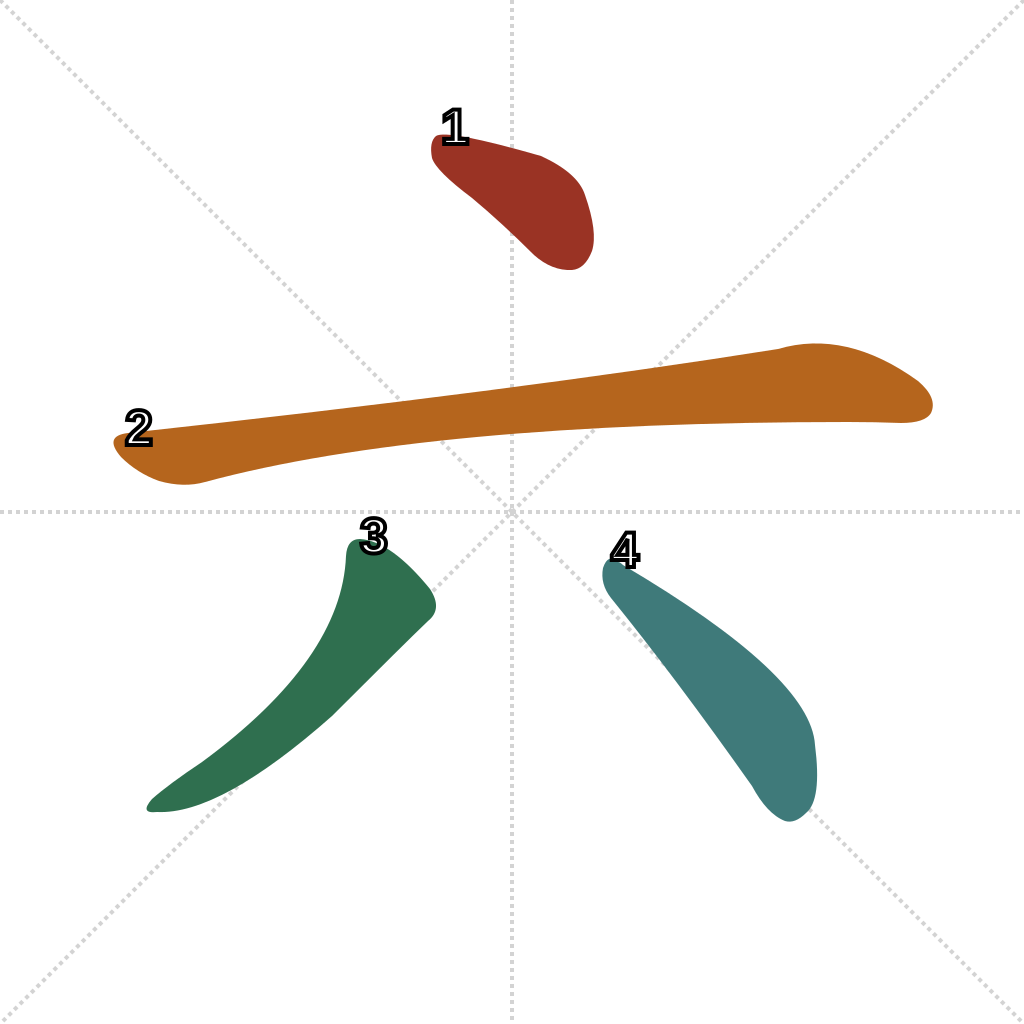
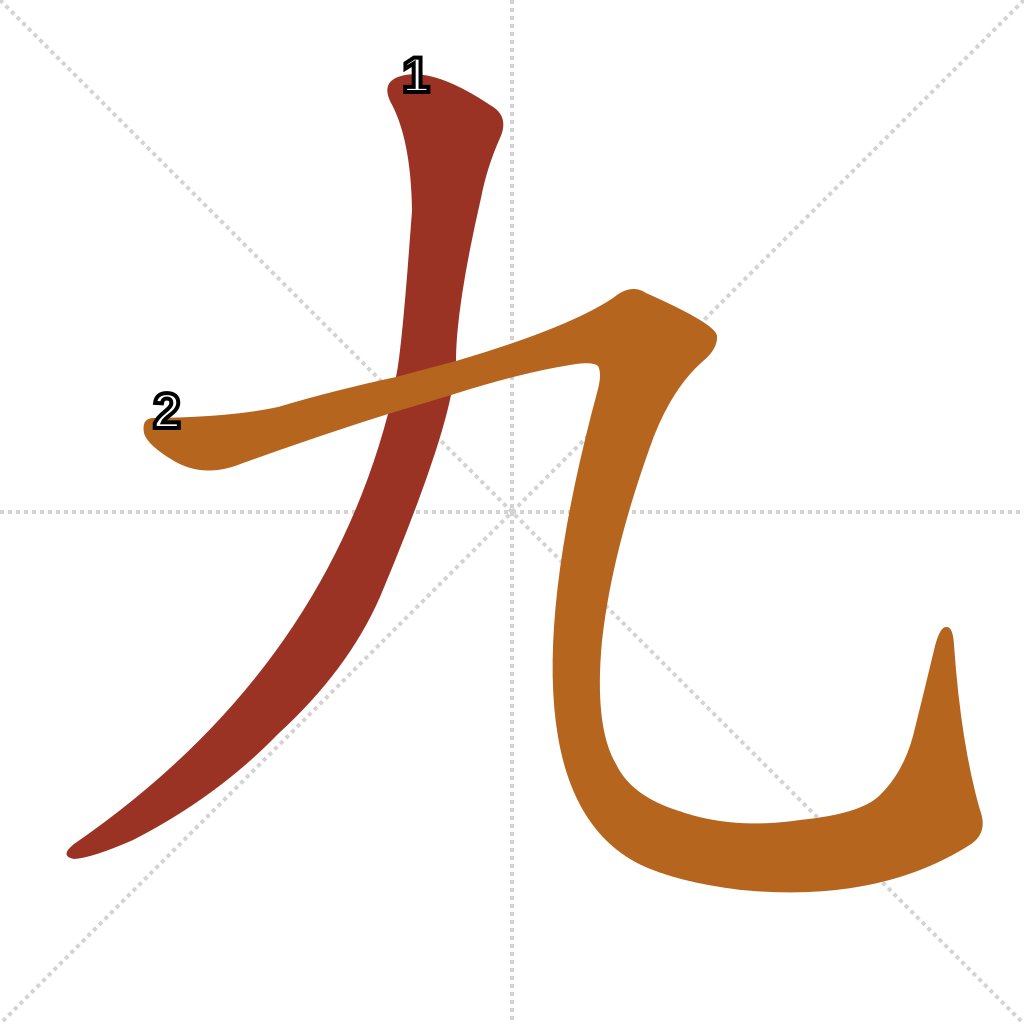
The other three origins, briefly: 五's oldest form is uncertain — Wiktionary lists theories ranging from a tally mark to a pictogram of palm lines on an open hand. 六 is "perhaps a shed," possibly borrowed from the similar-sounding word for hut/cabin (廬) and then never given back. 九 is the most charming: a pictogram of a bent wrist/forearm, originally meaning "elbow" — it came to mean "nine" through the image of a fist tightening as it bumps up against the next number, ten. (Wiktionary: 五, Wiktionary: 六, Wiktionary: 九)
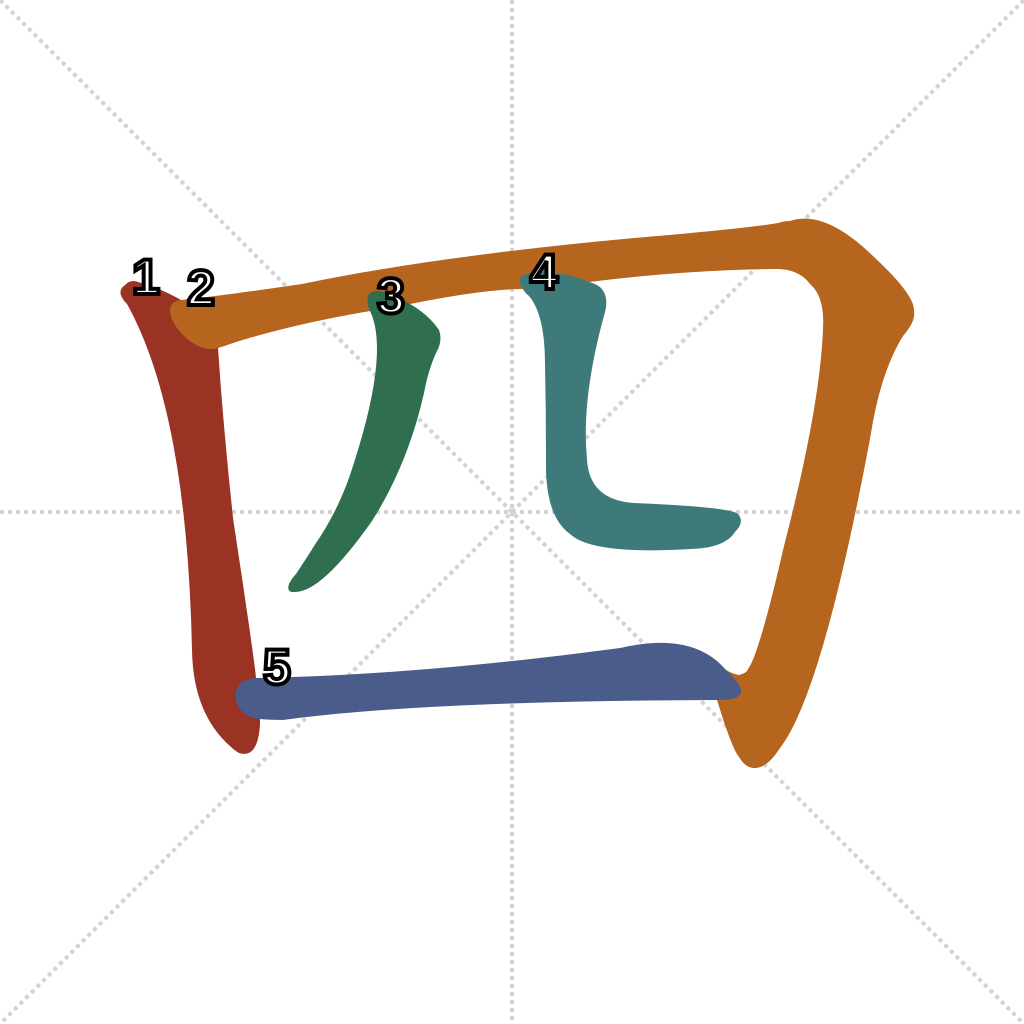
Stroke order
四 reuses Lesson 1's enclosure rule — outer frame first, close last — just with two extra strokes added inside before the close:
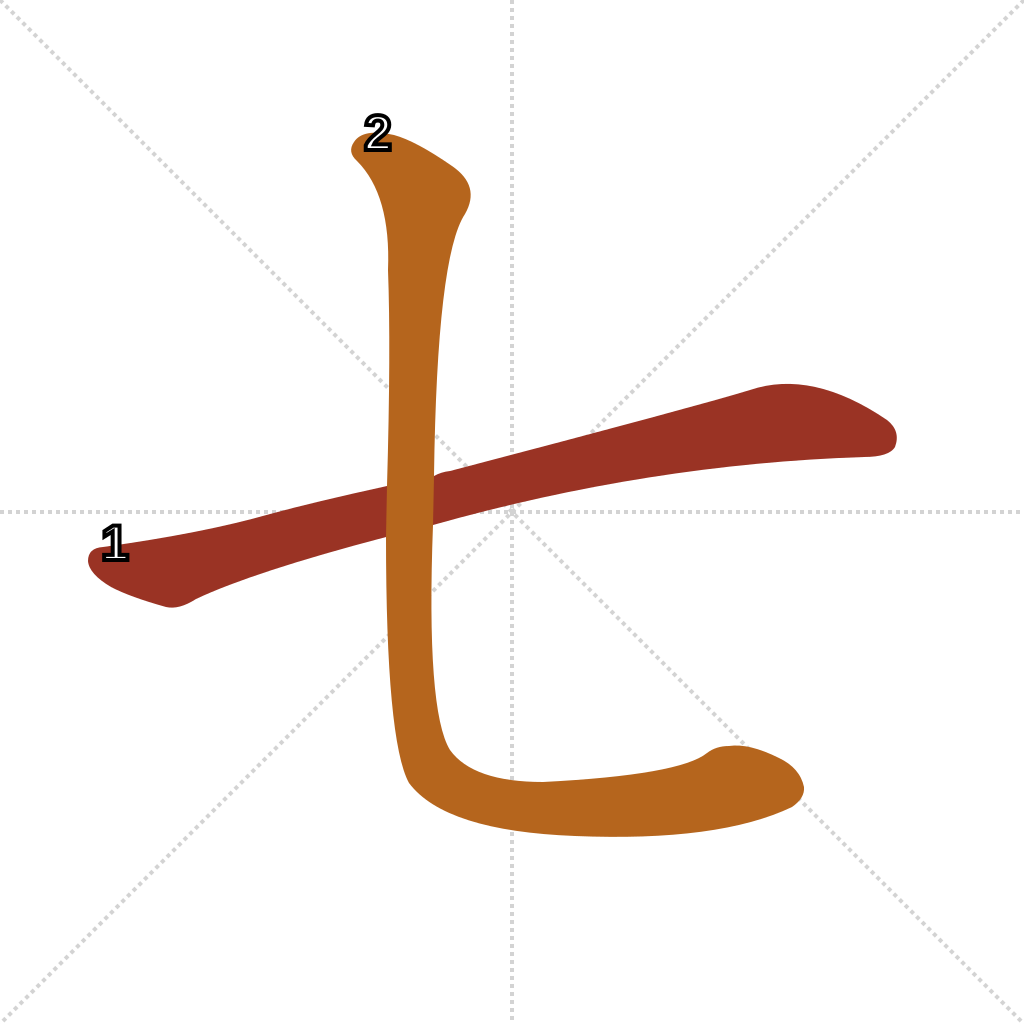
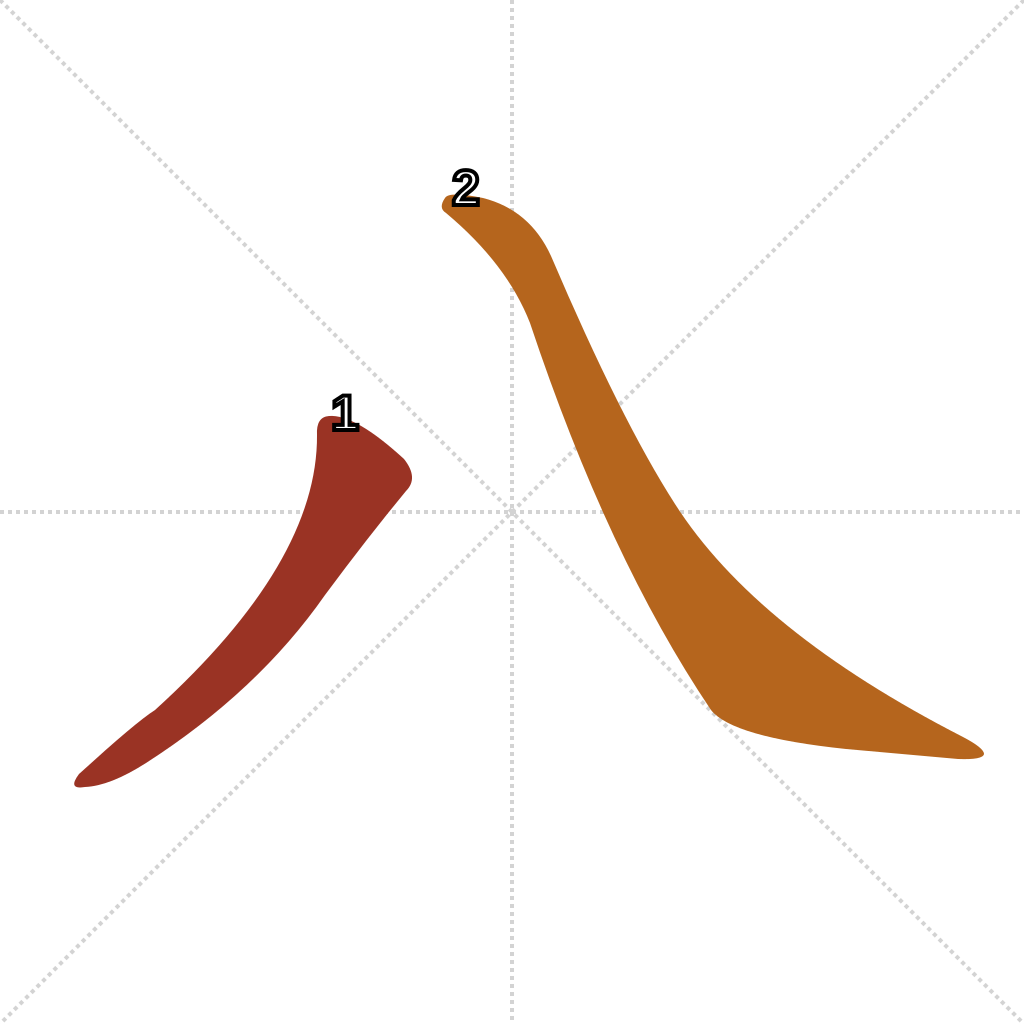
七 and 八 are both simple two-stroke sequences:
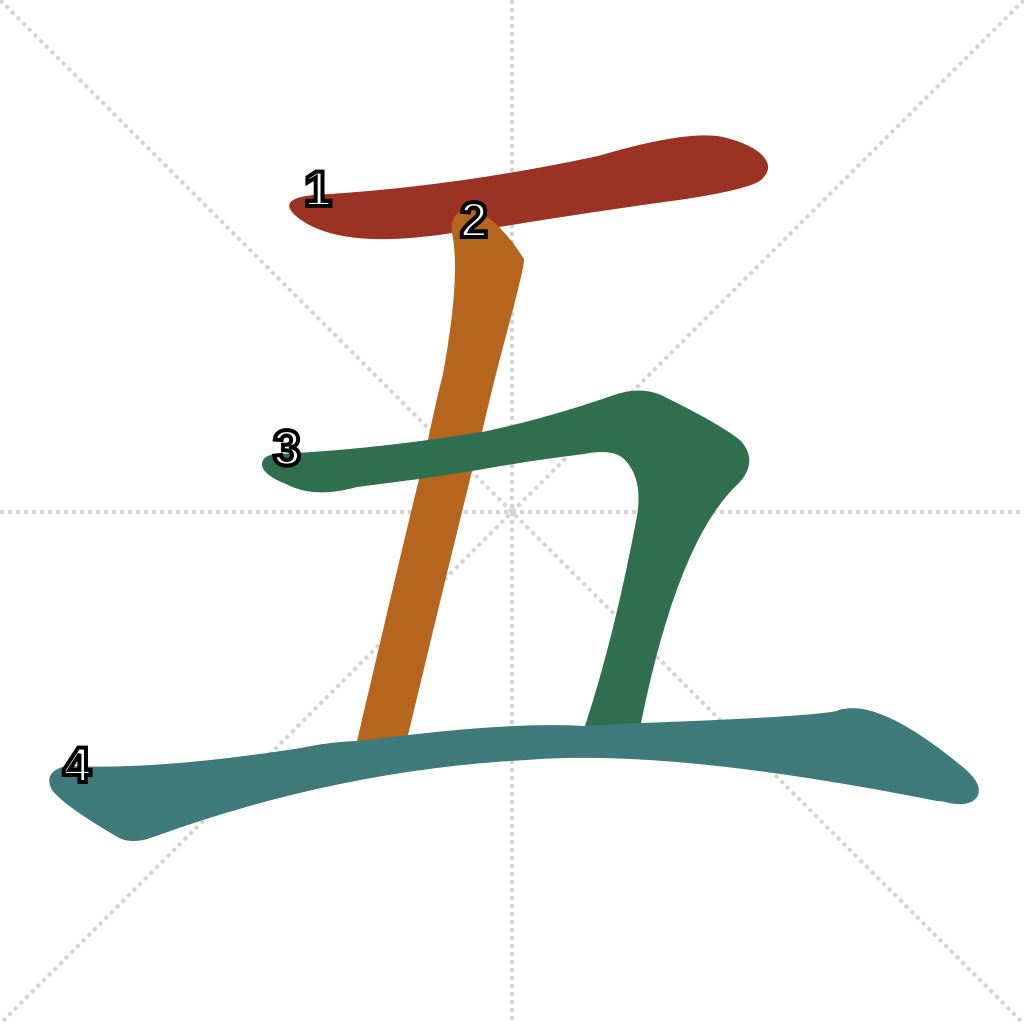
五 — 4 strokes
六 — 4 strokes
九 — 2 strokes
Examples using these components: the full system
Every digit from Lesson 5's 十 logic now works at full range — multiply before 十, add after:
五十50
八十六86
九十九99
That's every whole number from 1 to 99, readable and writable, from ten characters total. Watch for these on receipts, room/gate numbers, phone numbers read aloud, and prices anywhere characters are used instead of Arabic numerals.
Check your recall
Which character means "nine"?
四 was originally written as four stacked tally lines, but was changed to avoid confusion with:
Which character's two strokes do NOT touch at all, unlike 人 and 入?
八十六 (八 + 十 + 六) represents the number:
Go further
Etymology sources for every character above are linked inline. For the rigorous version of any of them, see the Outlier Dictionary of Chinese Characters.
Out in the world: with 一 through 十 complete, try reading any character-written number you come across — prices, dates, addresses, phone numbers — cold, before checking the Arabic-numeral version next to it.