Lesson 19 · Foundational Components
Strength, Hand, Blade: 力 / 又 / 刀
Three more two-stroke pictographs, all originally body-related like Lesson 11's hand and heart. 力 shows a bent arm or a plough, 又 a right hand, 刀 a knife. Together they build four extremely common characters: 加 (to add), 取 (to take), 分 (to divide), 双 (a pair).
Your three new components
Quick recall — click each card to flip it:
Stroke order
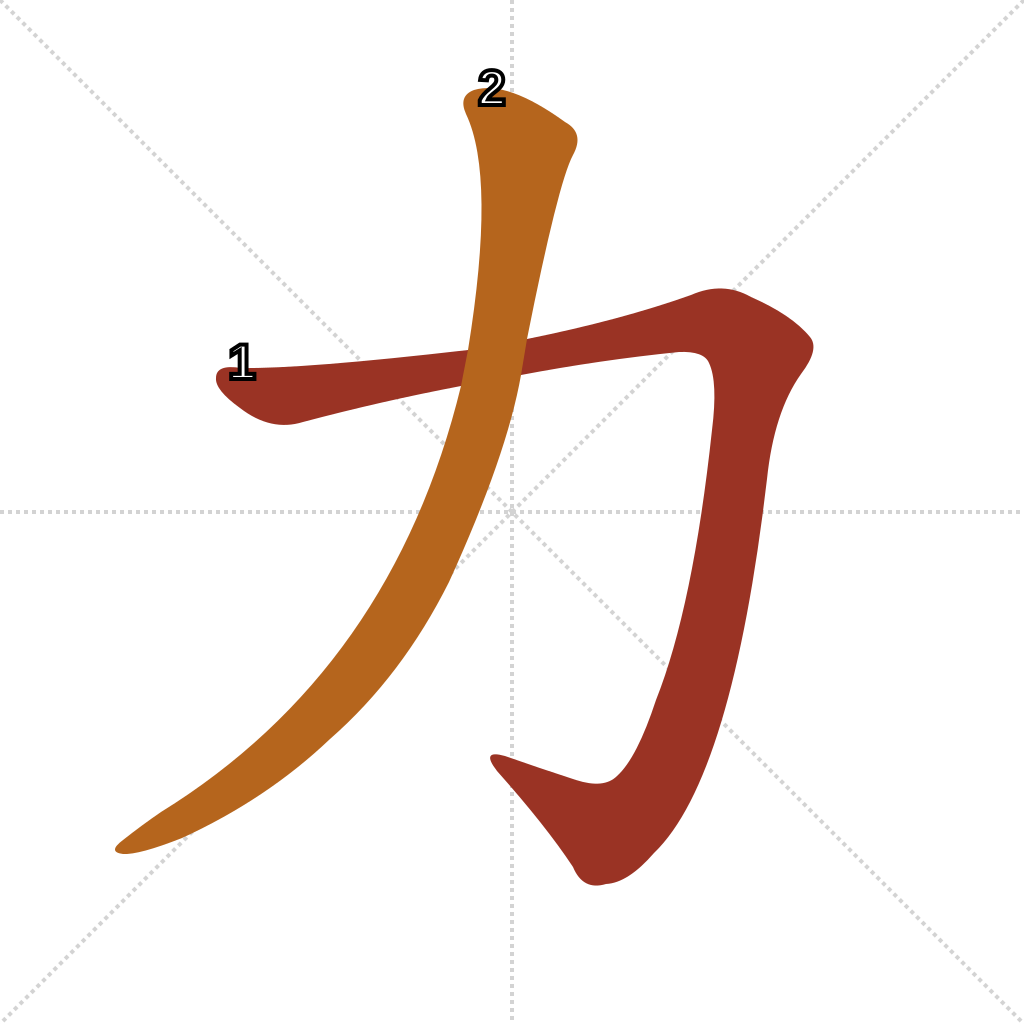
力 — 2 strokes
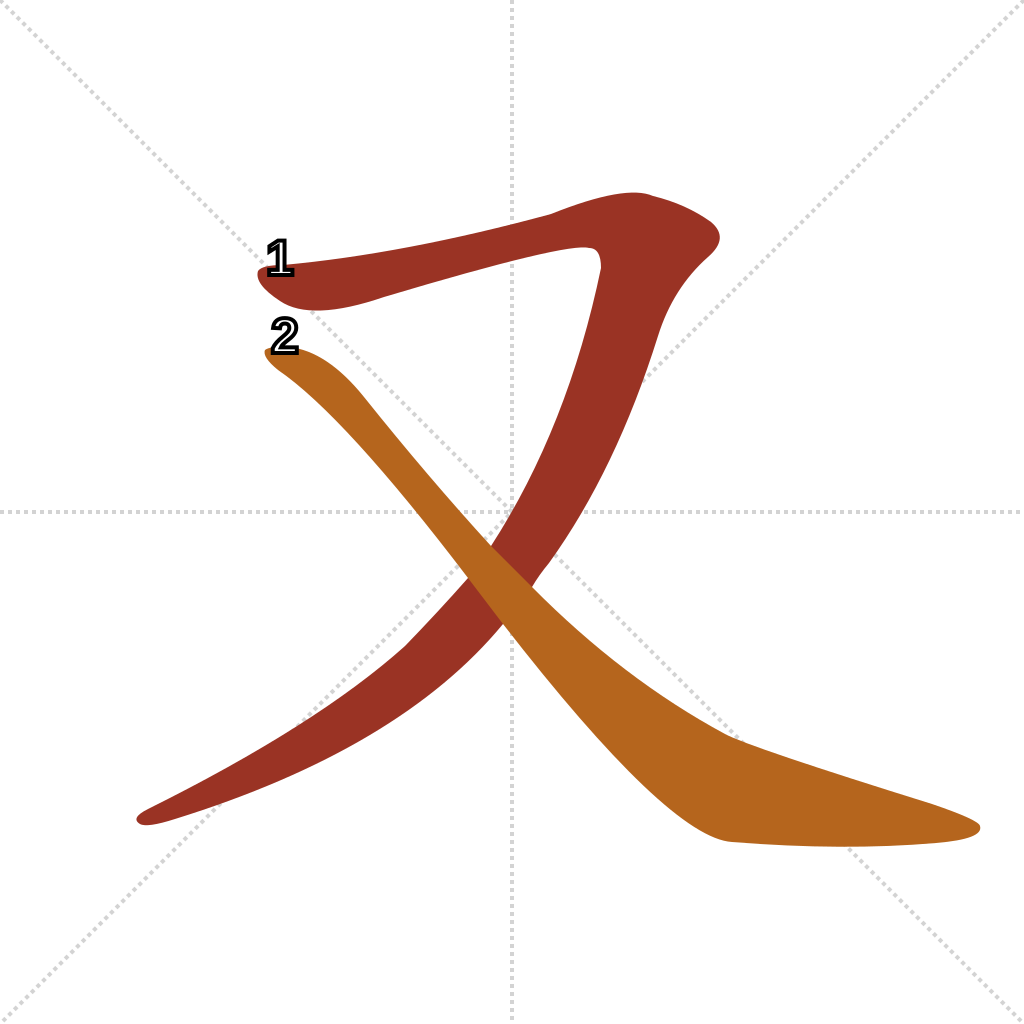
又 — 2 strokes
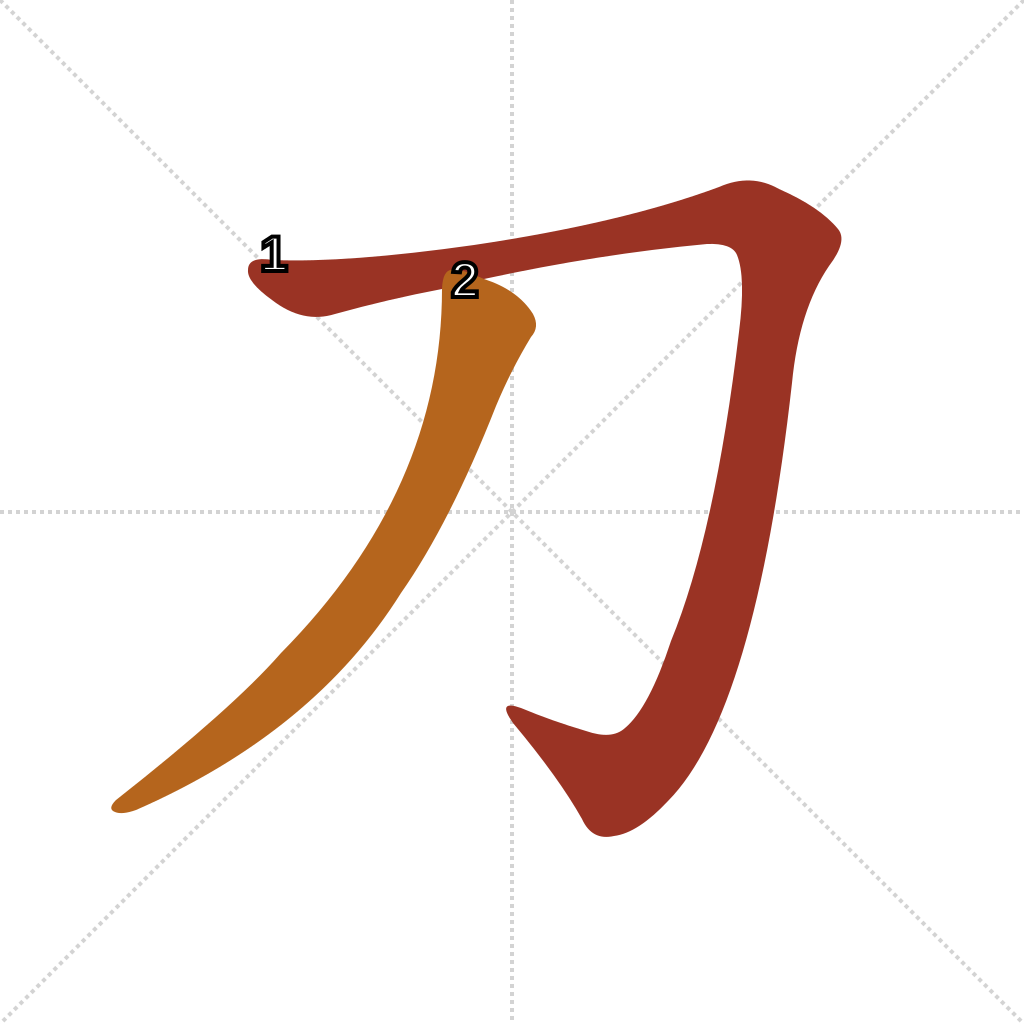
刀 — 2 strokes
Examples using these components
力 builds 加, joining a component from Lesson 1:
加to add, to increase
An ideogrammic compound: the Shuowen dictionary defines it as 力 (strength, semantic) + 口 (mouth, semantic — from Lesson 1), with a commentary tradition reading it as an exclamation over one's own effort. Wiktionary notes an alternative reading of 力 as "plowing," with 口 as the accompanying grunt of effort. Either way, both pieces carry meaning; neither is phonetic. (Wiktionary: 加)
又's old "hand" sense resurfaces in 取, alongside 耳 from last lesson:
取to take, to fetch, to get
Ideogrammic: 耳 (ear, semantic — from Lesson 18) + 又 (hand, semantic, in its old sense). Wiktionary traces the image to a hunting rite recorded in the Rites of Zhou — taking the ear of fallen prey as proof of the kill. (Wiktionary: 取)
刀 builds 分, reusing a component from Lesson 6:
分to divide, to separate
Also "minute" and a small currency unit (0.01 yuan). Ideogrammic: 八 (to separate, semantic — from Lesson 6) + 刀 (knife, semantic) — "separating with a knife." (Wiktionary: 分)
又 doubles, the same way Lesson 1's 木 doubled into 林 and Lesson 7's 火 doubled into part of 炎:
双a pair, both, double
Simplified 双 replaces the traditional 雙, whose own composition Wiktionary describes as 雔 (two 隹, zhuī, "short-tailed bird") held in 又 (hand) — "two birds in someone's hand." Simplification kept only the 又, doubled. (Wiktionary: 雙, Wiktionary: 双)
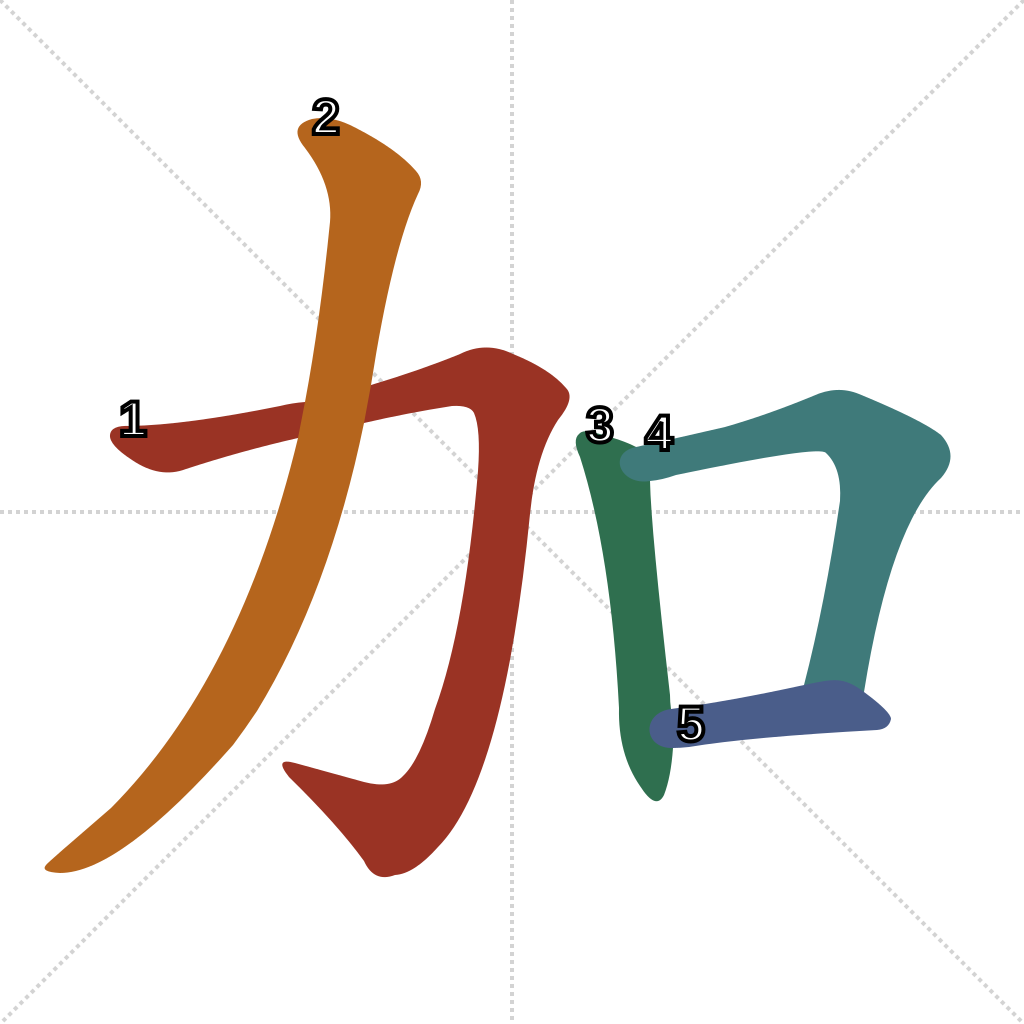
Stroke order for today's characters
加 — 5 strokes
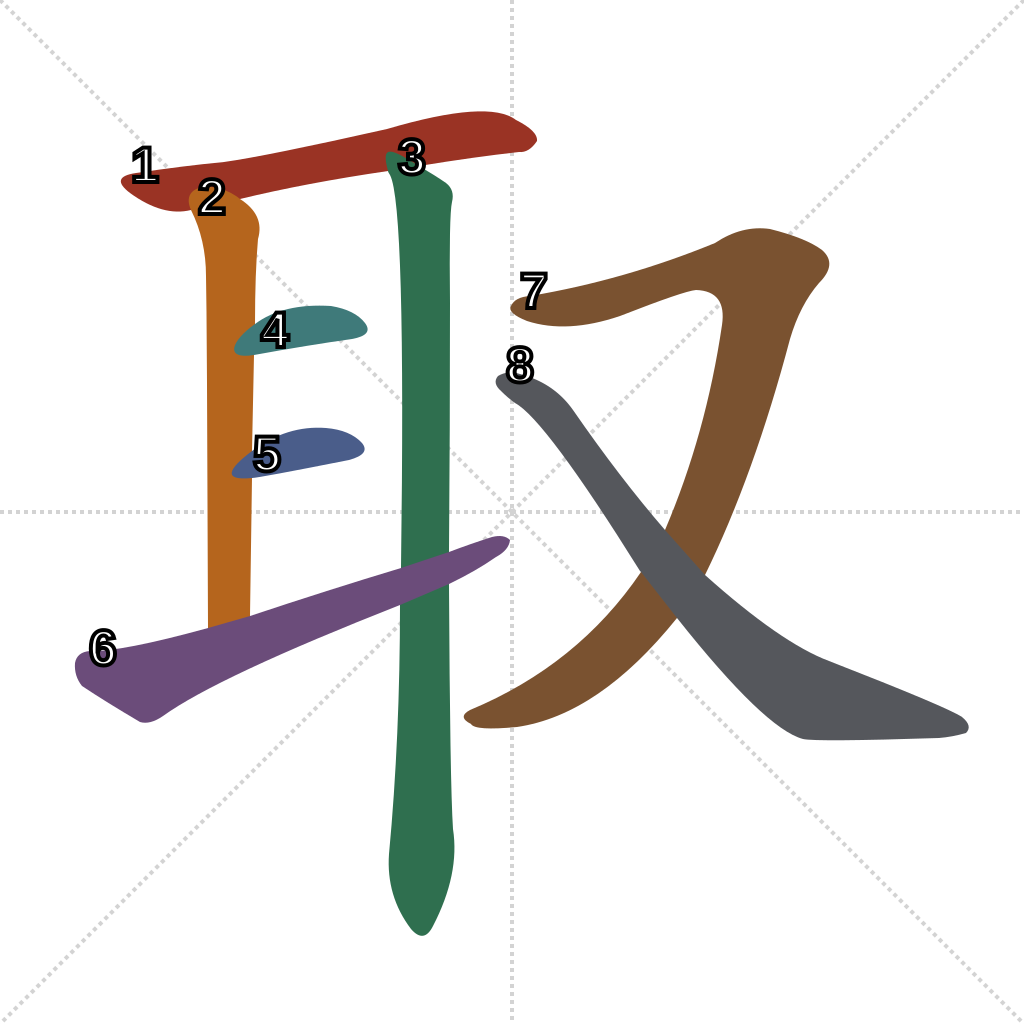
取 — 8 strokes
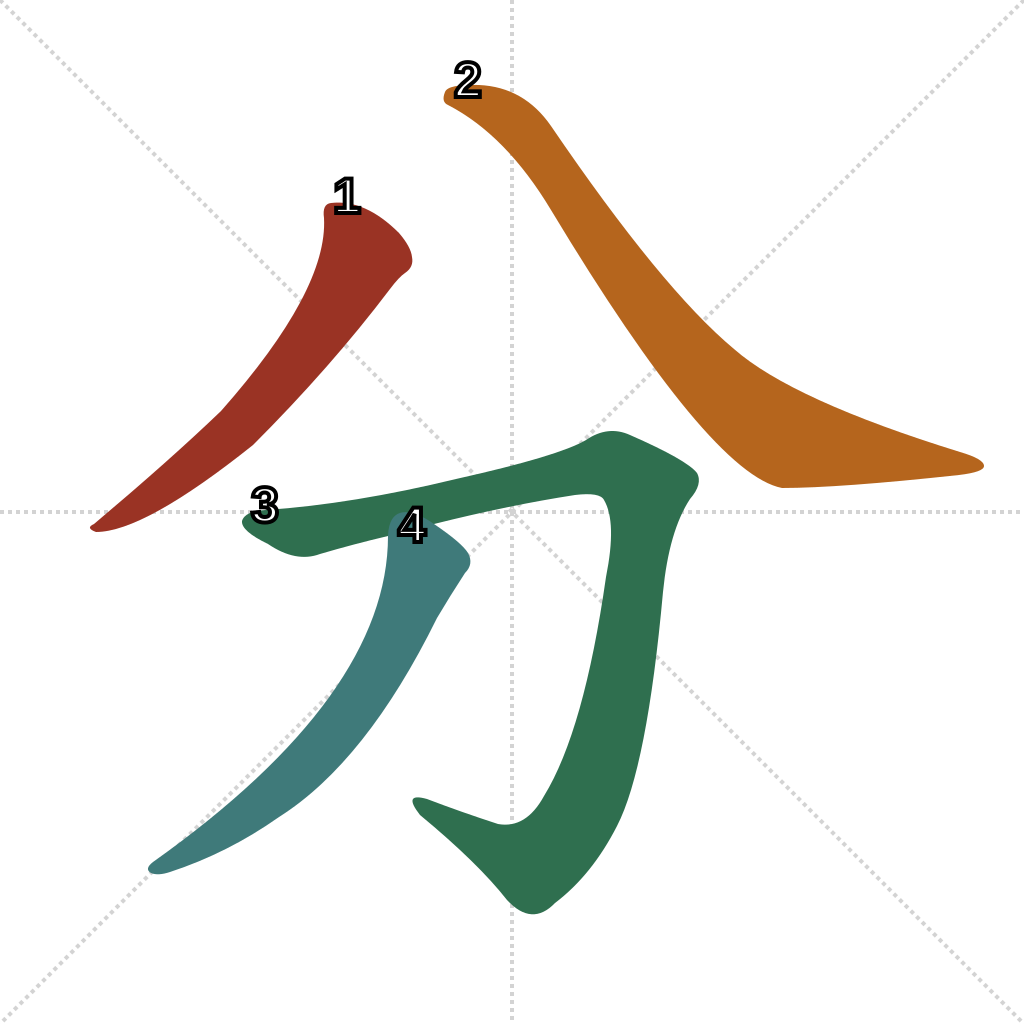
分 — 4 strokes
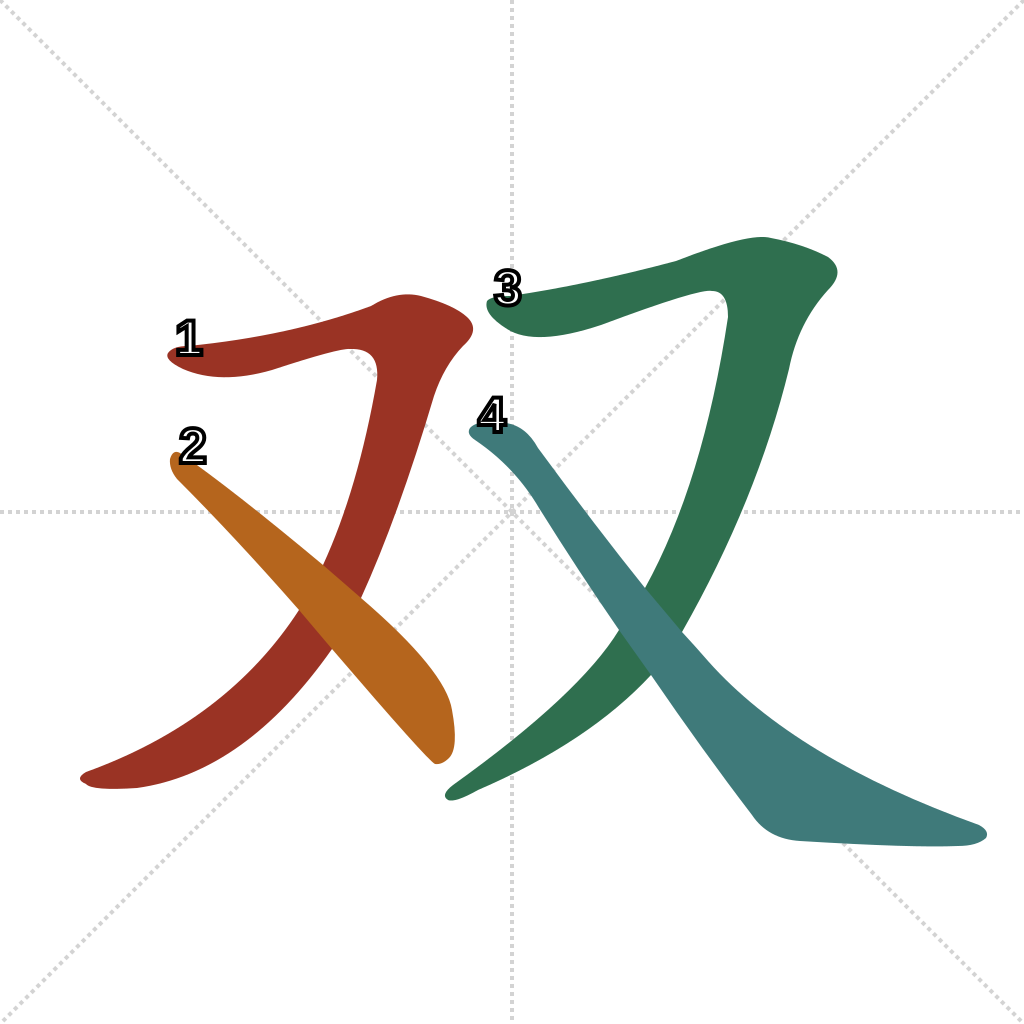
双 — 4 strokes
Check your recall
又 was originally a pictogram of a:
In 分 (八+刀), why does 刀 keep its full shape instead of becoming 刂?
加 (力+口) means:
取 (耳+又) combines "ear" with which old sense of 又?
双 (又+又) simplifies traditional 雙, which depicted:
Go further
Etymology sources for every character above are linked inline. For the rigorous version of any of them, see the Outlier Dictionary of Chinese Characters.
Out in the world: 三加五 (sān jiā wǔ, "three plus five" — 三 and 五 from Lesson 5 and Lesson 6) reads a sum exactly as printed on a receipt or in a classroom. 十分 (shífēn, "very, extremely" — 十 from Lesson 5) is a common intensifier, stronger than 很. 双手 (shuāngshǒu, "both hands" — 手 from Lesson 11) is fully readable now too.