Lesson 17 · Foundational Components
Grass, Bamboo, Grain: 艹 / 竹 / 禾
A plant-family trio: three distinct pictographs, all vegetation, all extremely common component slots. 艹 covers plants in general, 竹 is specifically bamboo, and 禾 is specifically a grain stalk (rice, wheat, millet). Between them they build tea, flowers, pens, and the word "and."
Your three new components
Quick recall — click each card to flip it:
Stroke order
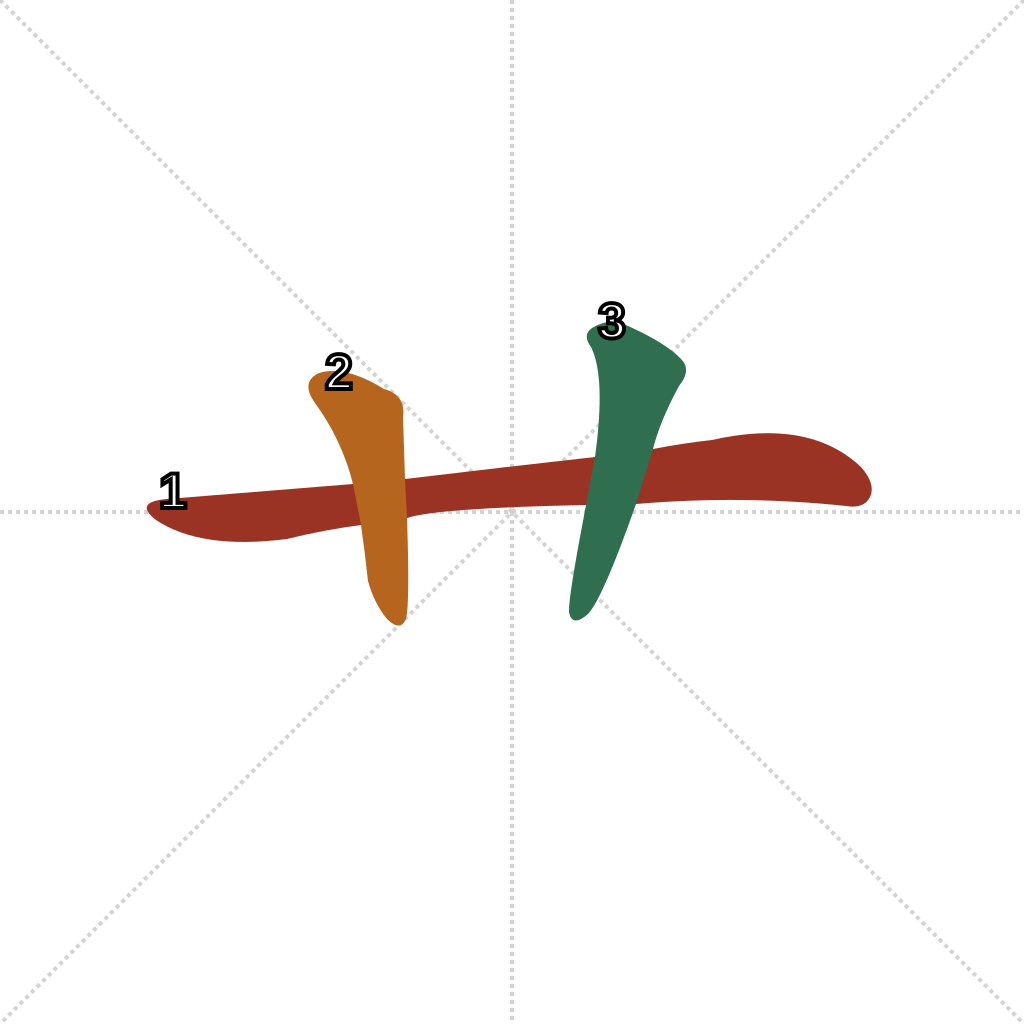
艹 — 3 strokes
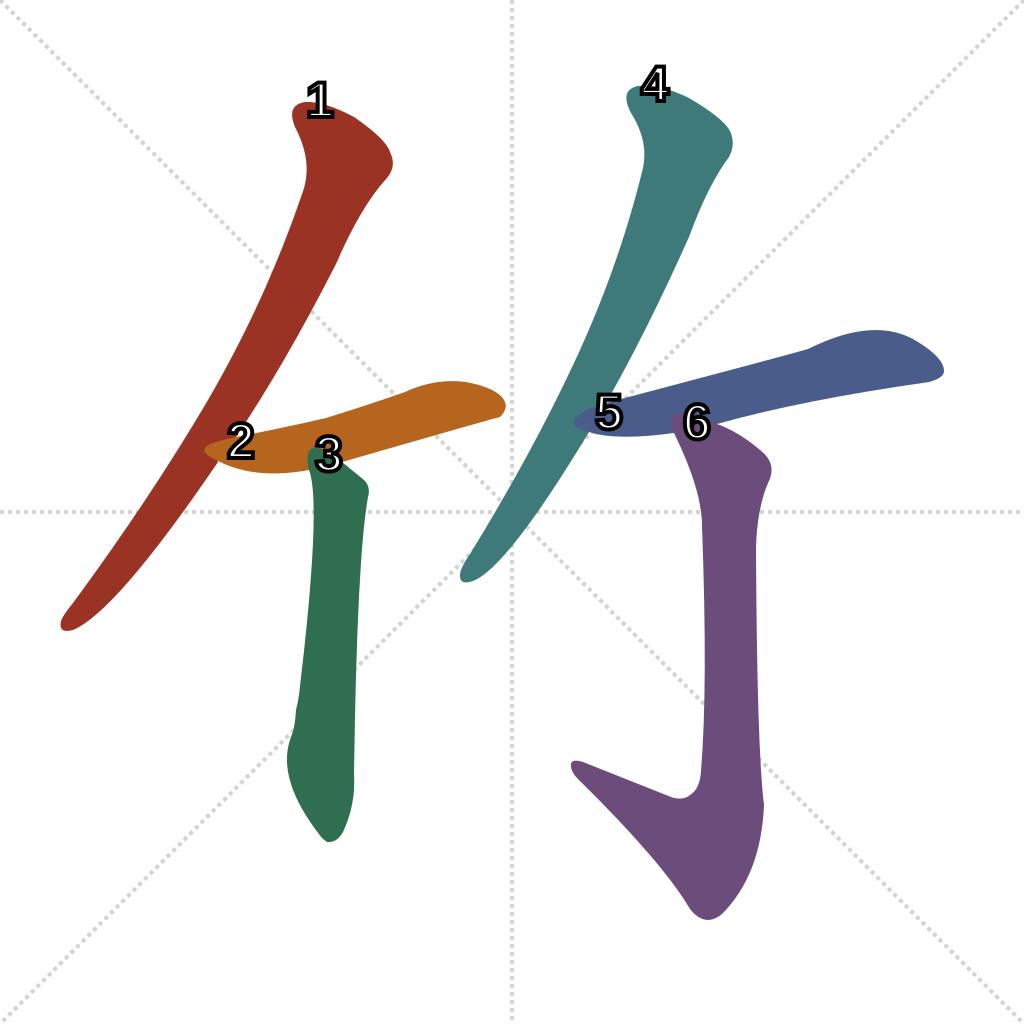
竹 — 6 strokes
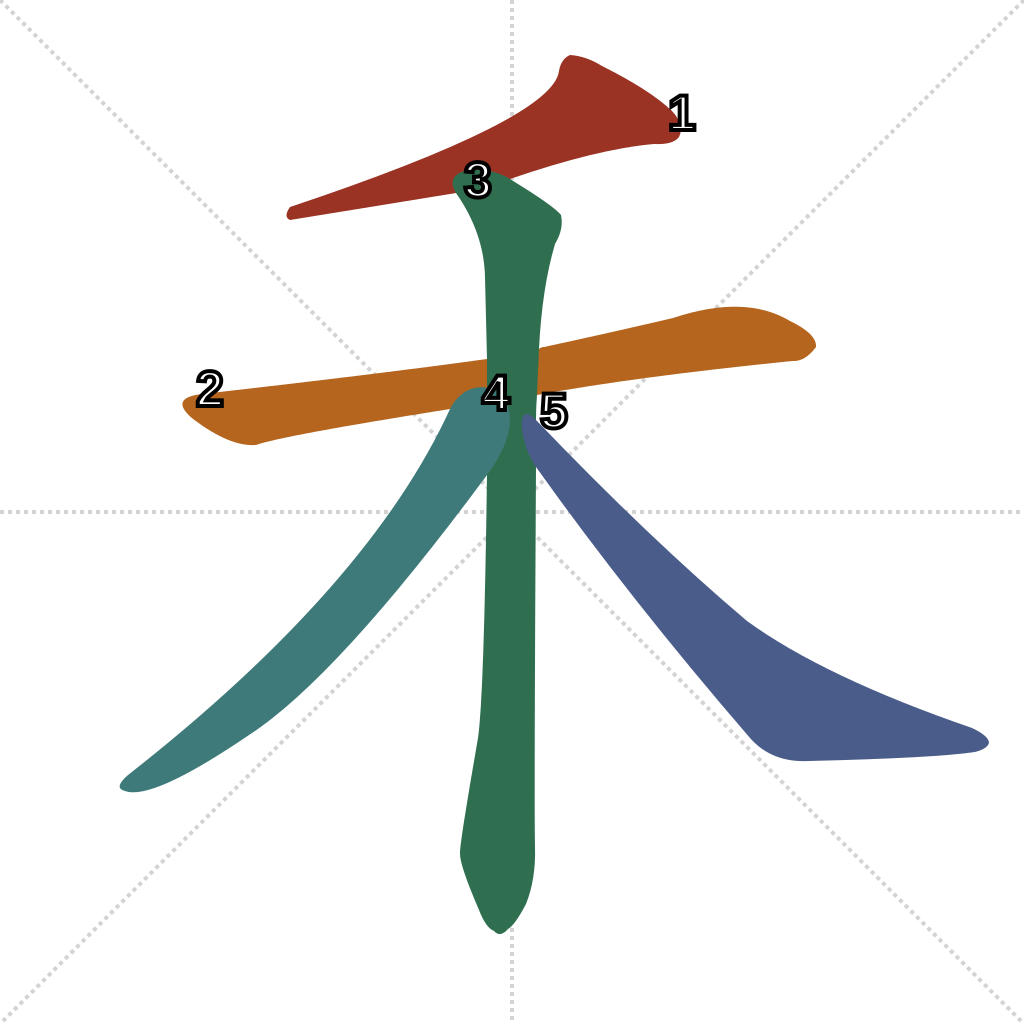
禾 — 5 strokes
Examples using these components
Starting with 艹: 茶 is the character behind every teahouse and tea box in China:
茶tea
艹 (grass/plant, semantic — the tea plant) is semantic; 余 (yú, "surplus, remaining" today) is phonetic only. The character is a graphical simplification of the older 荼 (tú, "bitter plant"), with one stroke dropped from 余's original form. (Wiktionary: 茶)
花 follows the same semantic-phonetic pattern:
花flower
艹 (grass/plant) is semantic; 化 (huà, "to transform, to change" today) is primarily phonetic, though it can also be useful to think of a flower as something a plant "turns itself into". 花 also doubles as a verb, "to spend" (money or time). (Wiktionary: 花)
竹 builds 笔 — this one is fully semantic, both halves carry meaning:
笔pen, pencil, writing brush
An ideogrammic compound: 竹 (bamboo, semantic) over 毛 (máo, "hair, fur", semantic), because traditional Chinese writing brushes were made of a bamboo shaft with an animal-hair tip. Both pieces contribute meaning; neither is phonetic. (Wiktionary: 笔)
禾 builds one of the most common words in the language, reusing 口 all the way back from Lesson 1:
和harmony, peace; and
Here the roles flip from 茶/花: Wiktionary marks 禾 (grain) as the phonetic element — it lends its own sound, hé — while 口 (mouth, semantic, from Lesson 1) supplies the meaning, gesturing at harmony through voice or song. (Wiktionary: 和)
Stroke order for today's characters
茶 — 9 strokes
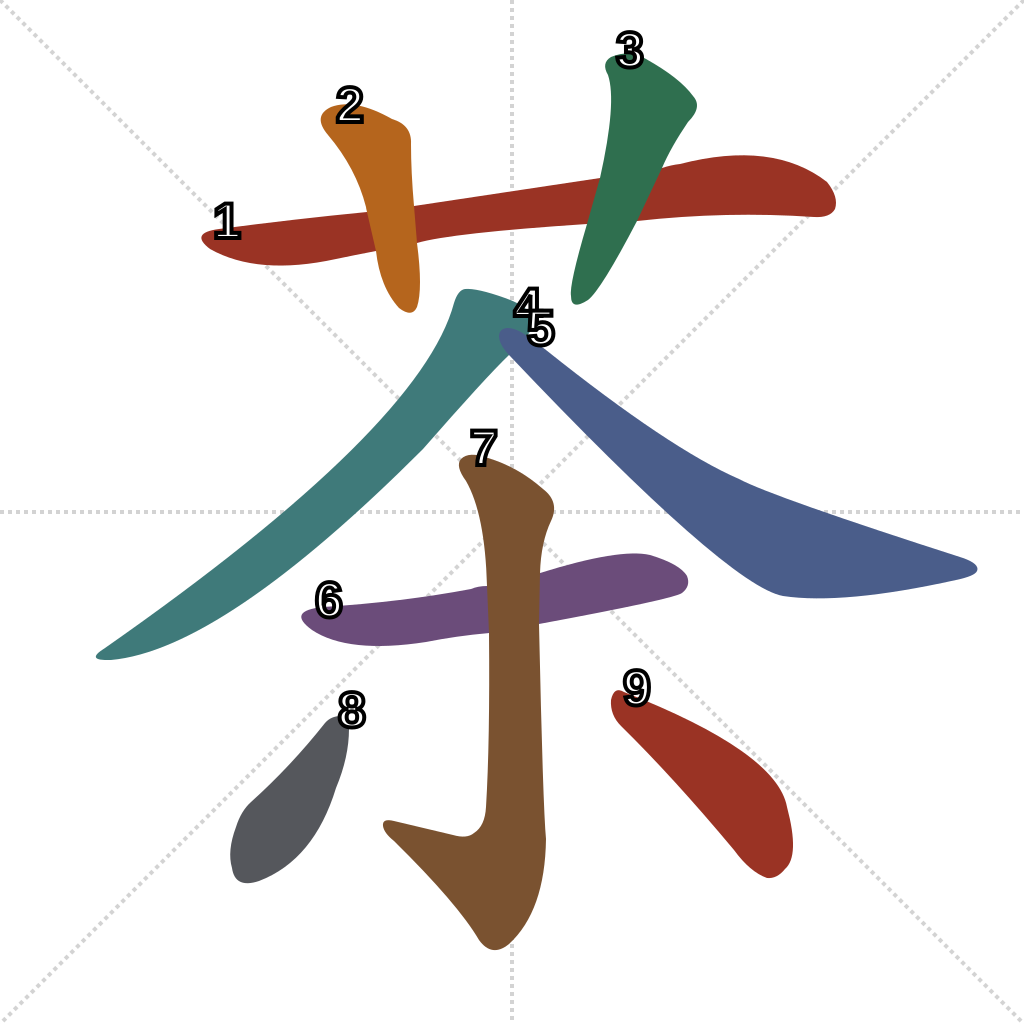
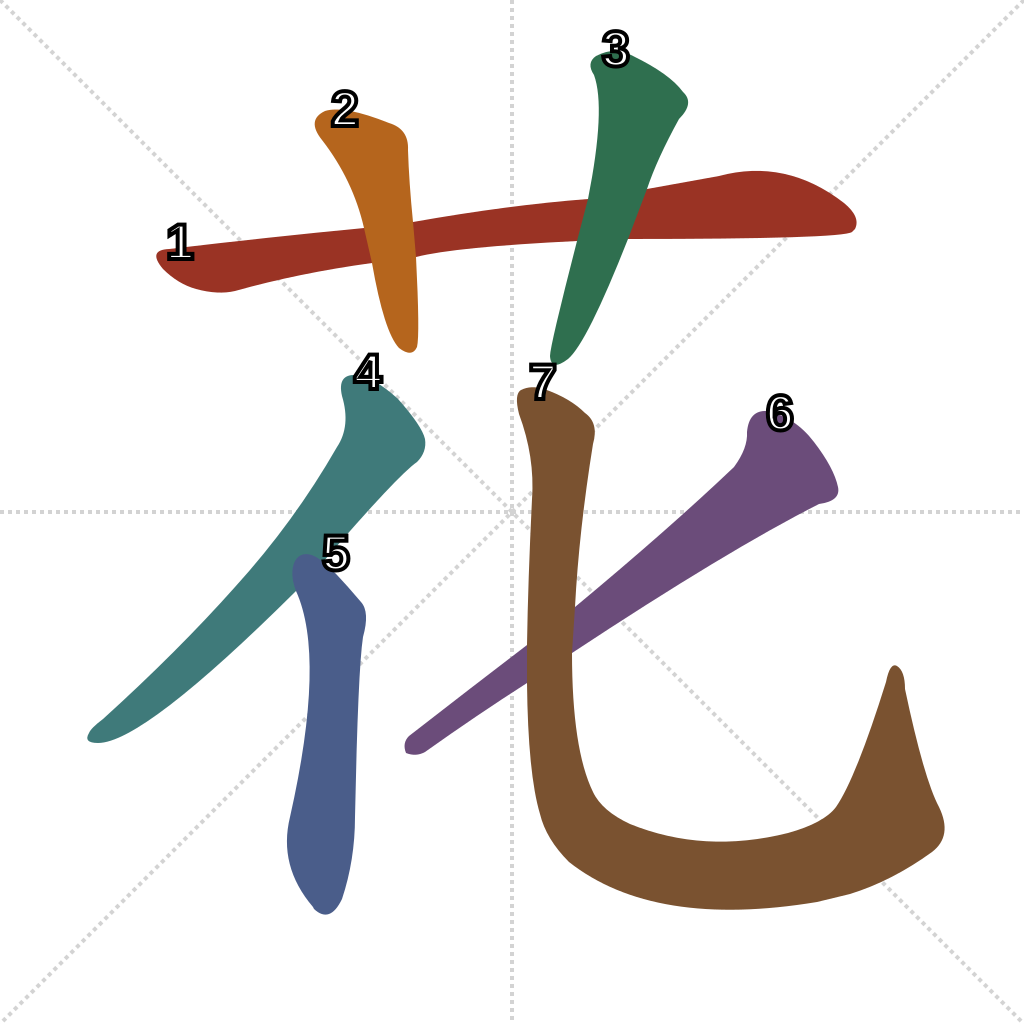
花 — 7 strokes
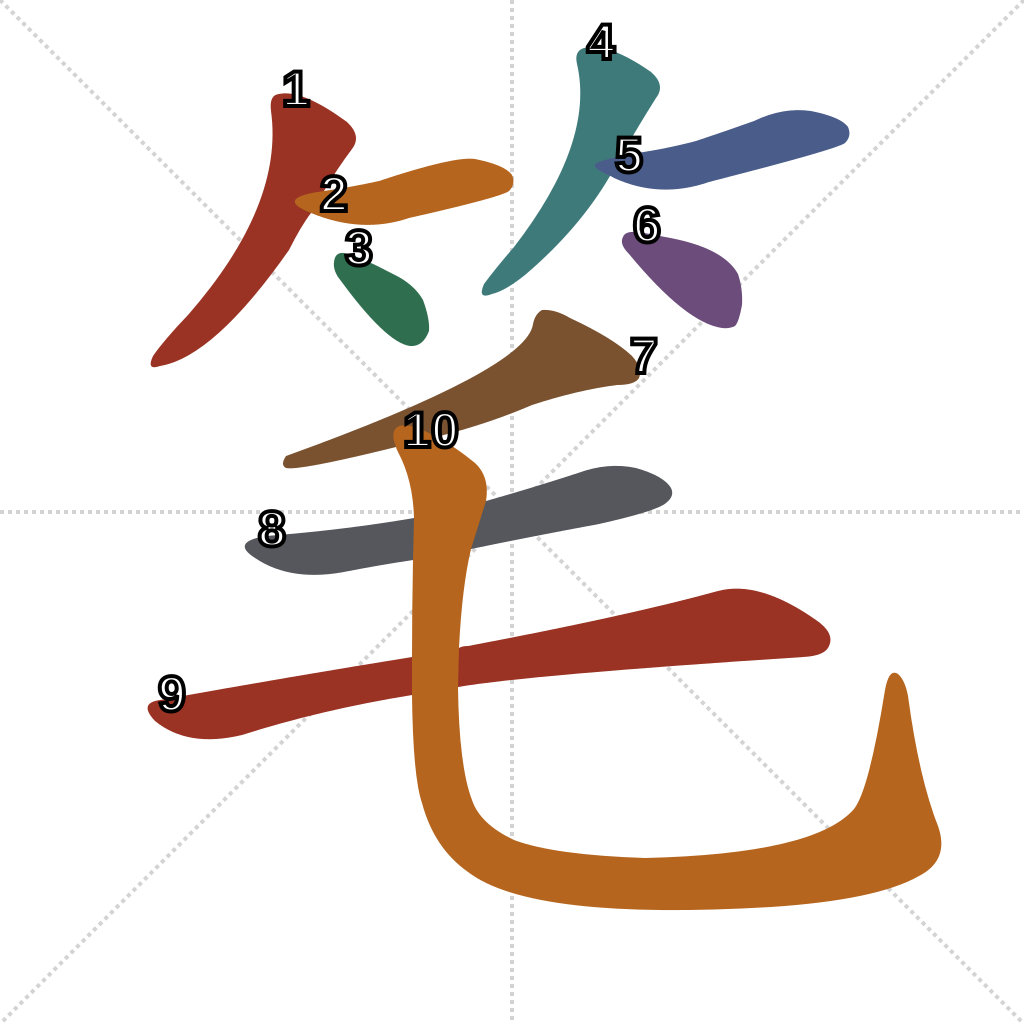
笔 — 10 strokes
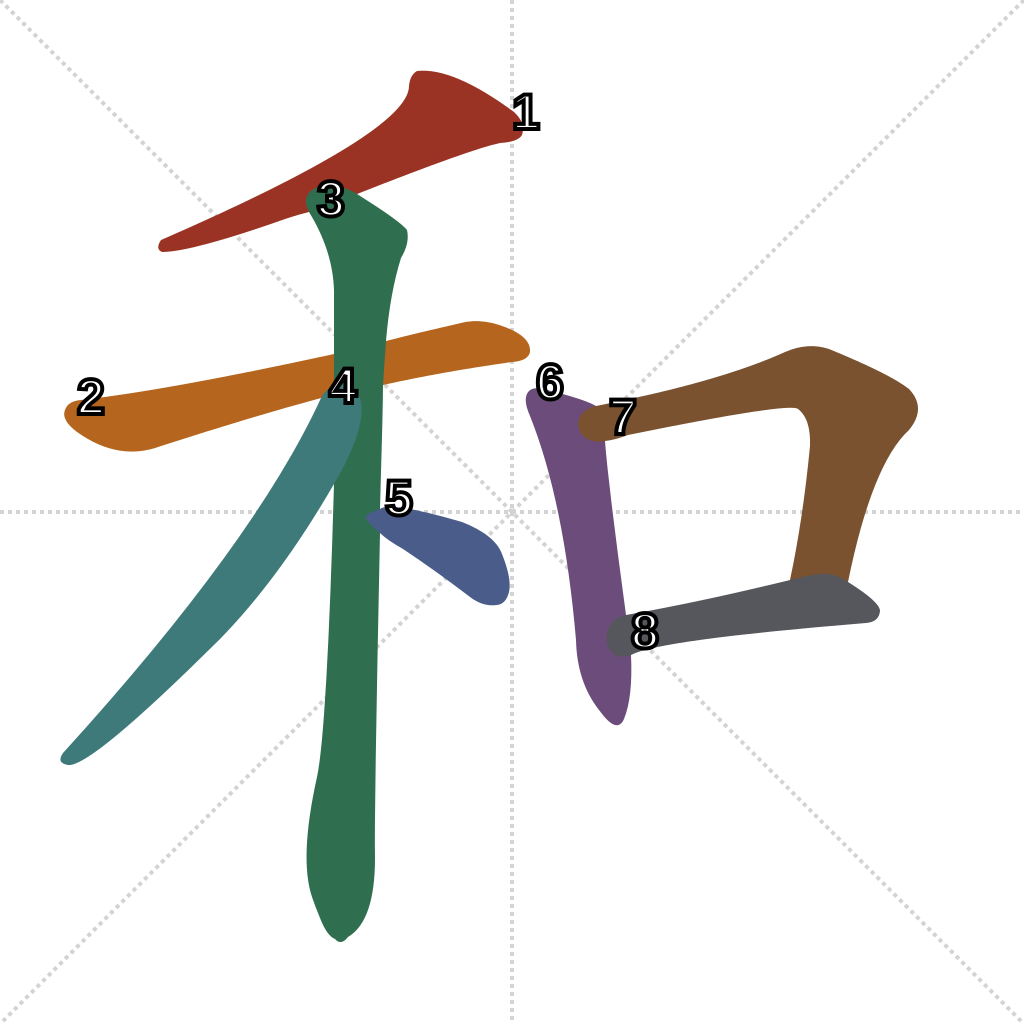
和 — 8 strokes
Check your recall
艹 is the compressed top-form of which standalone character?
竹 takes which compressed shape when it sits on top of another component?
Compared to 木 (tree), 禾 (grain) adds:
花 (huā) means:
In 笔 (𥫗+毛), the relationship between the two pieces is:
In 和 (禾+口), which piece is the phonetic element?
Go further
Etymology sources for every character above are linked inline. For the rigorous version of any of them, including the full phono-semantic analysis of 和, see the Outlier Dictionary of Chinese Characters.
Out in the world: 茶 rarely stands alone on a menu — 红茶 (hóngchá, "black tea," literally "red tea" — 红, hóng, "red") and 绿茶 (lǜchá, "green tea" — 绿, lǜ, "green") are the two you'll see most. 花店 (huādiàn, "flower shop," built entirely from glossary characters — 店 from Lesson 14) is a sign you can now read in full, and 竹子 (zhúzi, "bamboo," also fully buildable — 子 from Lesson 2) labels the plant itself in parks and gardens. 禾 rarely stands alone in modern text, but it's the seed component behind a whole family of crop and farming characters still to come. 和 is one of the most common characters in the language — you'll meet it constantly as "and" linking two nouns, long before you meet its rarer "harmony" sense.