Lesson 16 · Foundational Components
Food, Rice: 食 / 米
Two components behind every menu you'll ever read. 食 means "to eat" or "food" on its own, and like 言→讠 from Lesson 12, it contracts into a narrower left-side form, 饣, whenever it partners with another piece. 米 is the grain itself — rice, uncooked and hulled — and pairs directly with 食's contracted form to build the single most common menu item in China.
Your two new components
Quick recall — click each card to flip it:
Stroke order
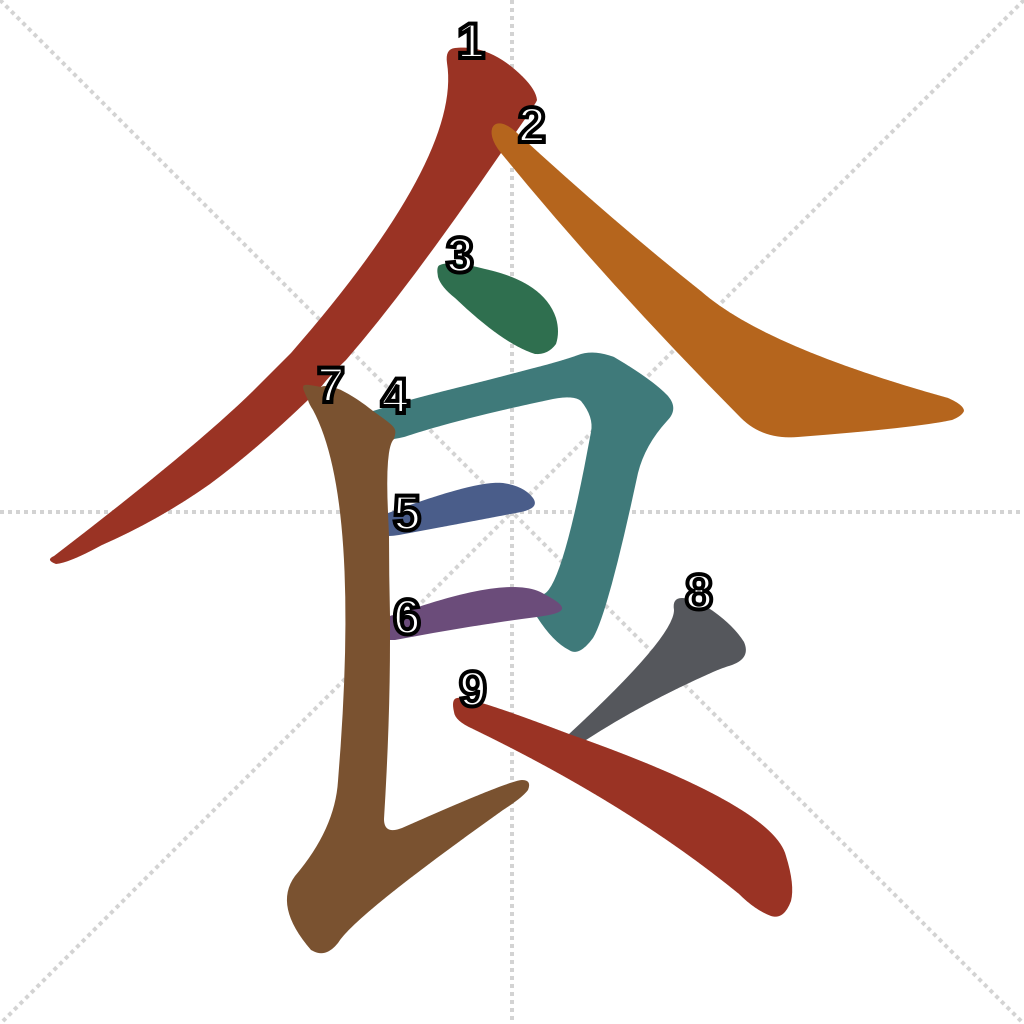
食 — 9 strokes
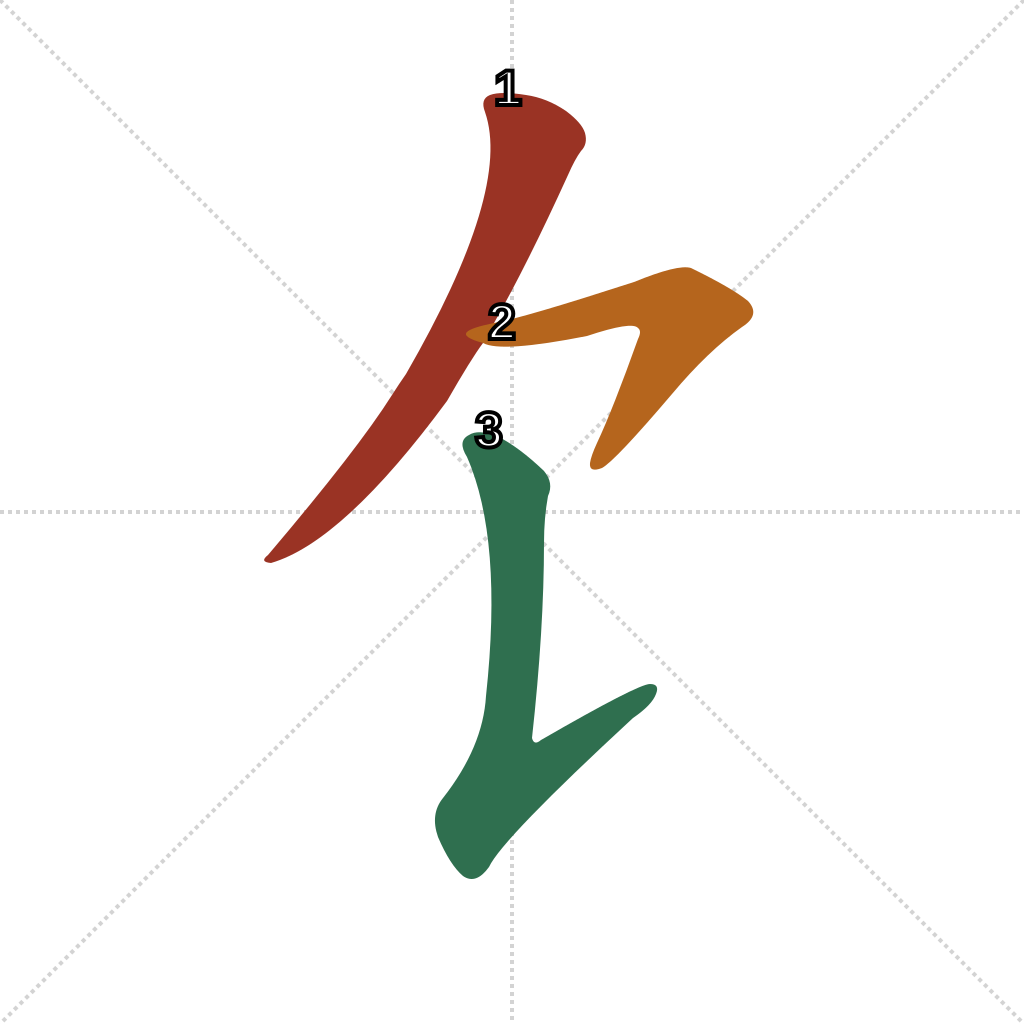
饣 — 3 strokes
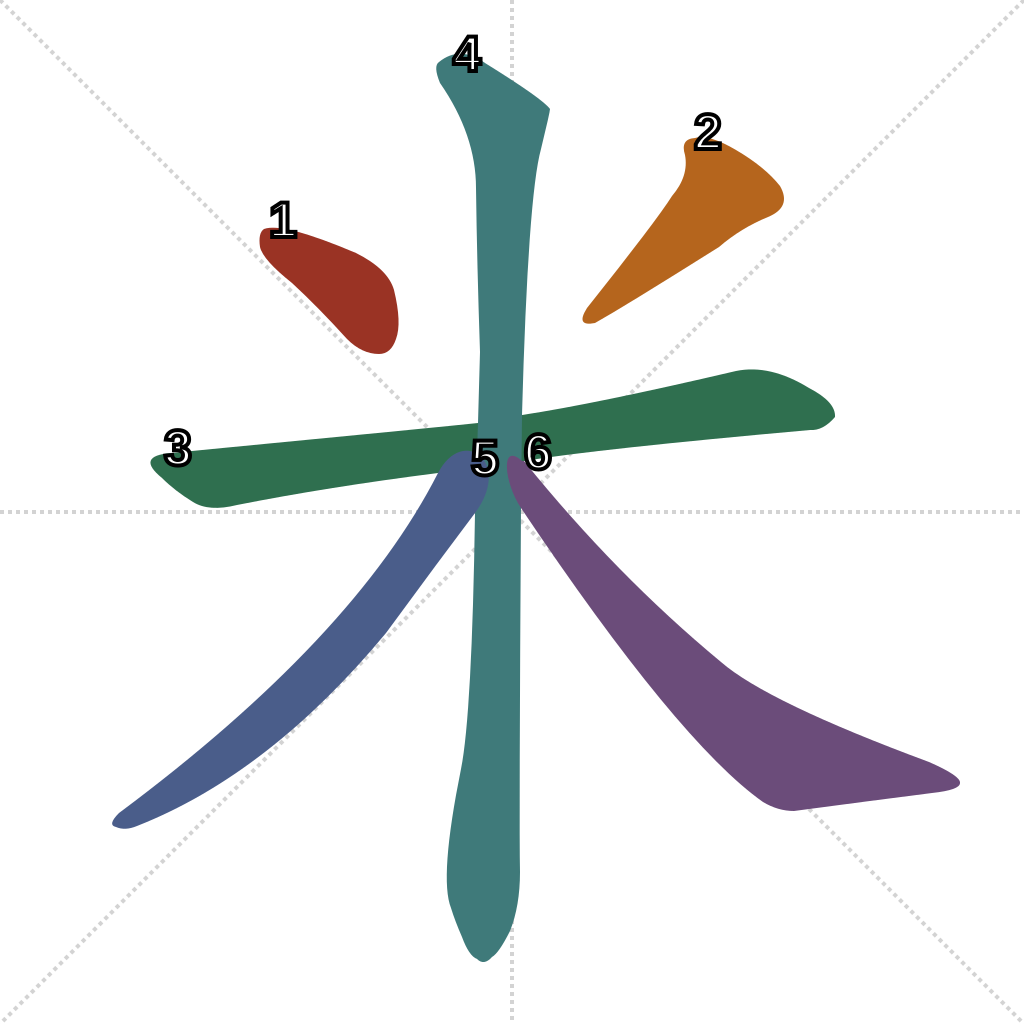
米 — 6 strokes
Examples using these components
饭 pairs 饣 with a phonetic partner, the same pattern as 说 (shuō, "to speak"), 请 (qǐng, "please"), and 谢 (xiè, "to thank") in Lesson 12:
饭cooked rice; a meal
饣 is the semantic element; 反 (fǎn, "to turn over, to reverse" today) is phonetic only, named for accuracy and not entering the component pool. (Wiktionary: 饭)
饮 follows the same pattern:
饮to drink
饣 is the semantic element; 欠 (qiàn, "to lack, to owe" today, pictured as a kneeling person with an open mouth) is a contributory phonetic-adjacent element, named for accuracy and not entering the component pool. (Wiktionary: 饮)
米 builds a phono-semantic compound of its own:
粉powder, flour; rice noodles, vermicelli
米 ("rice," semantic — the earliest sense was rice powder, i.e. face powder) is semantic; 分 (fēn, "to divide, to separate" today) is phonetic only, named for accuracy and not entering the component pool. (Wiktionary: 粉)
米 and 饭 combine directly:
米饭cooked rice
米 ("rice," the raw grain) + 饭 ("cooked rice, a meal," above) — literally "rice-meal." (Wiktionary: 米饭)
Stroke order for today's characters
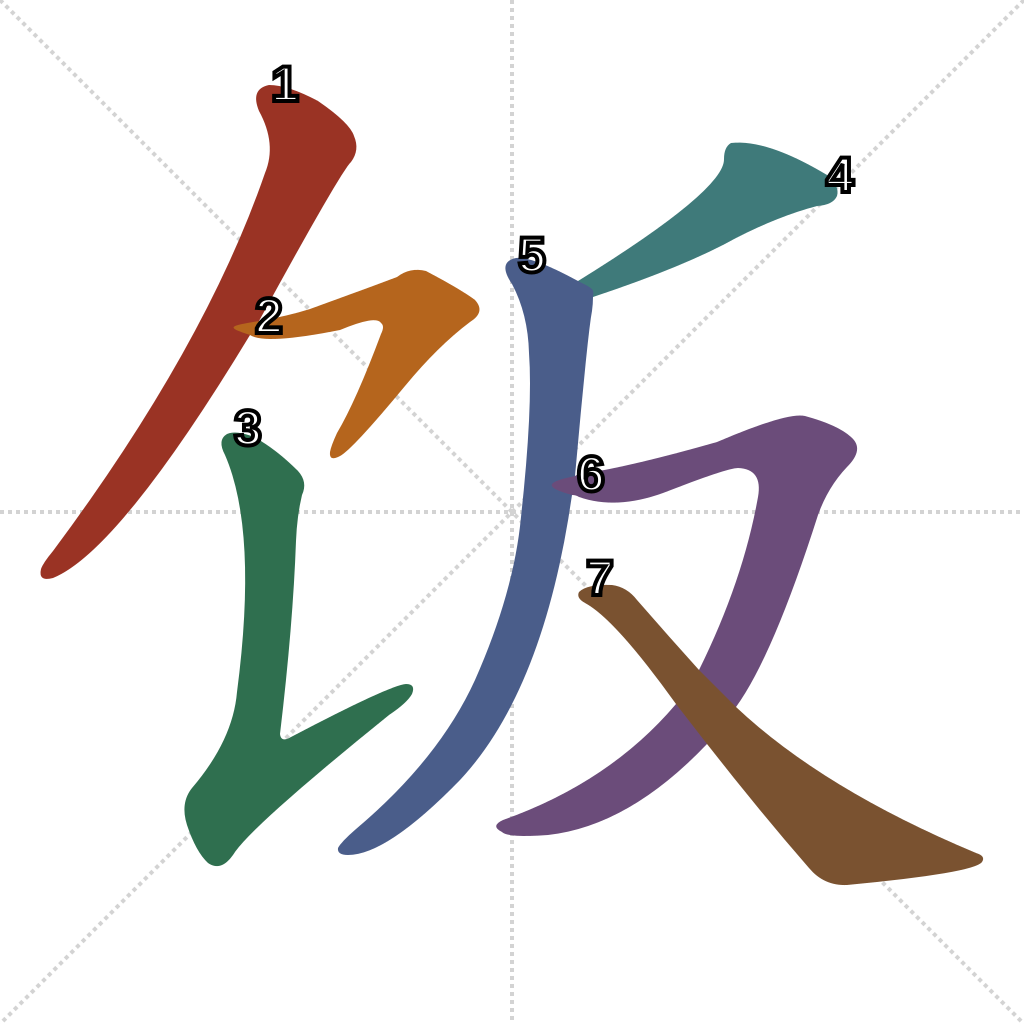
饭 — 7 strokes
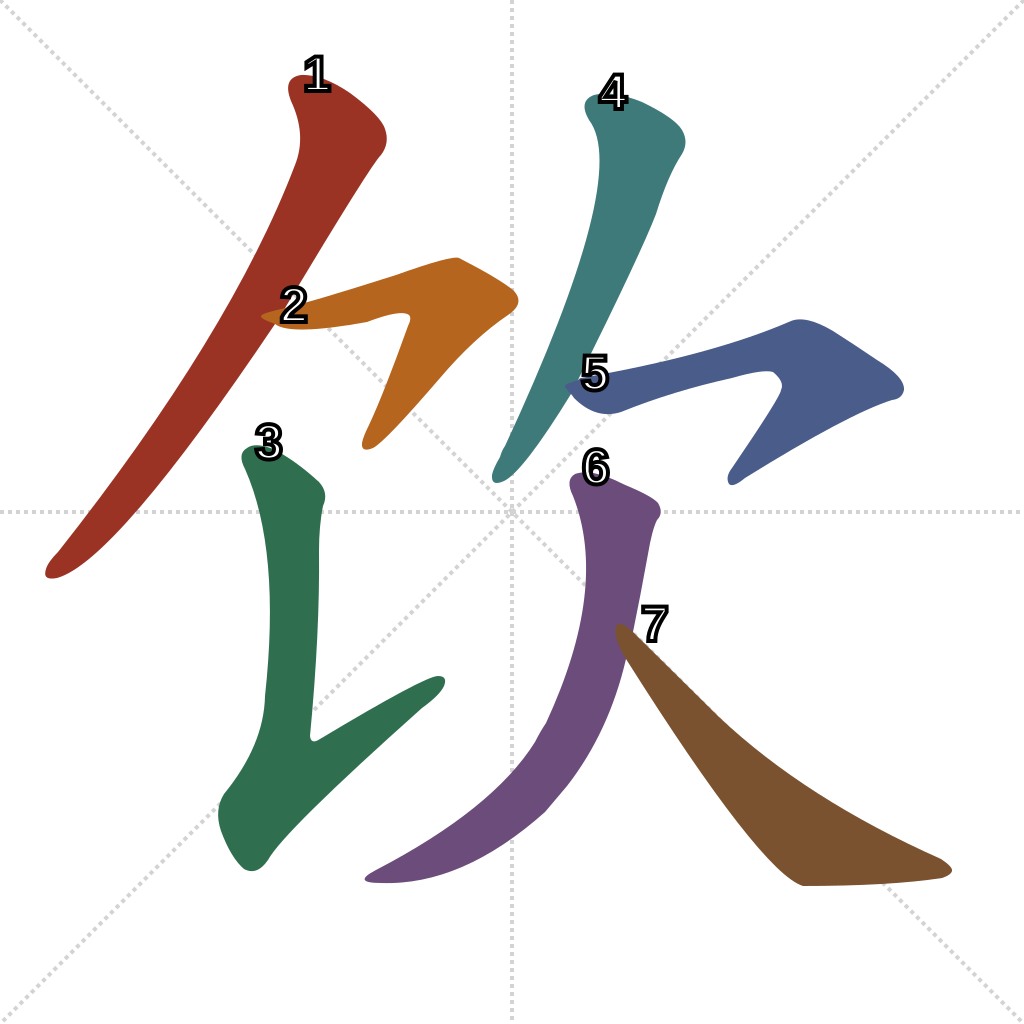
饮 — 7 strokes
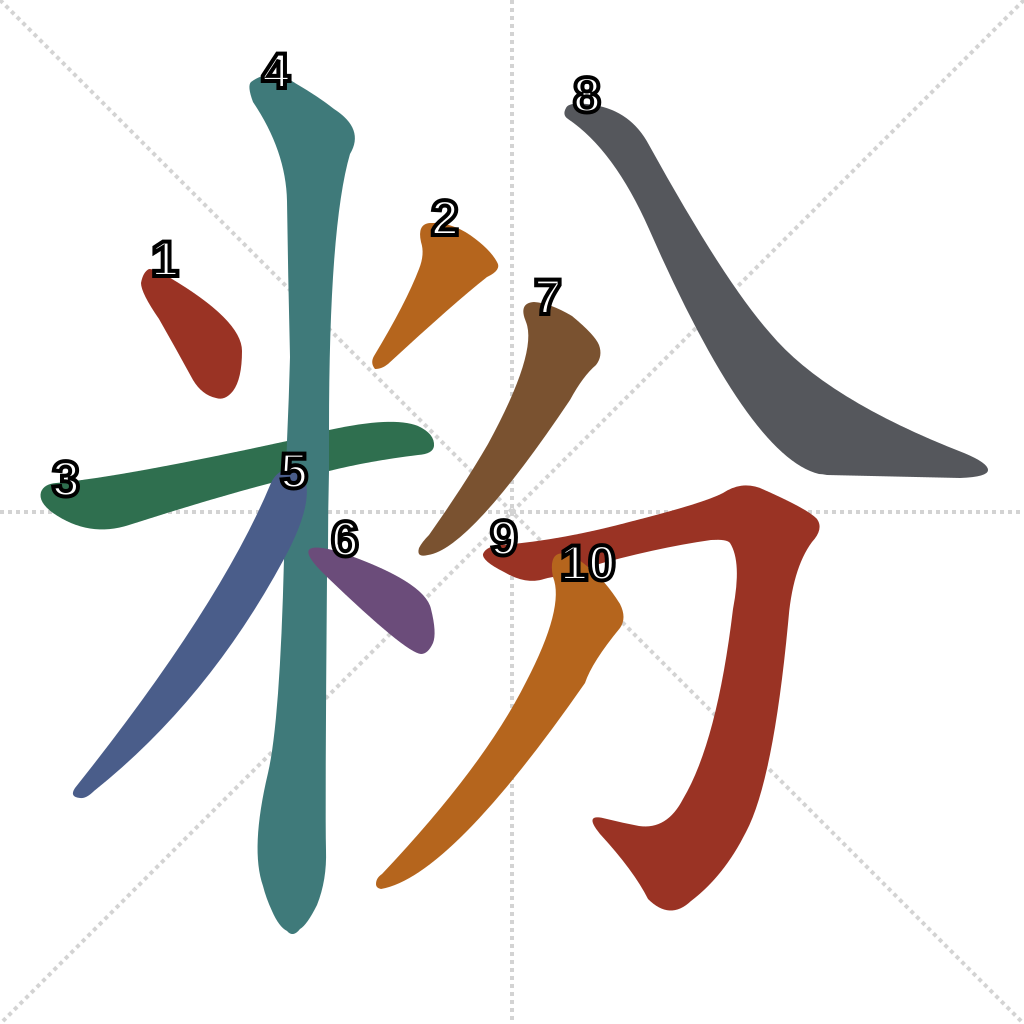
粉 — 10 strokes
Check your recall
食 combines a mouth over:
饮 (yǐn) means:
In 饭 (饣+反), 反 functions as:
米 is a pictograph of:
Besides "rice," 米 is also the modern Chinese word for:
米饭 (mǐfàn) means:
Compared to 木 (tree), 米 (rice) adds:
Go further
Etymology sources for every character above are linked inline. For the rigorous version of any of them, see the Outlier Dictionary of Chinese Characters.
Out in the world: 米饭 is the single most common menu item in China, and 炒饭 (chǎofàn, "fried rice" — 炒, chǎo, "to stir-fry,") is right behind it. 饮料 (yǐnliào, "beverage" — 料, liào, "material,") labels the drinks section of every menu, and 吃饭 (chīfàn, literally "eat-rice," meaning simply "to eat a meal" — 吃, chī, "to eat,") is one of the most common verbs in spoken and written Chinese alike. 米粉 (mǐfěn, "rice noodles") is on menus across southern China, built directly from today's characters. 玉米 (yùmǐ, "corn, maize" — 玉, yù, "jade,") is a common ingredient name, and on signage 米 shows up as the unit itself — a height-restriction sign reading 限高2米 (xiàn gāo èr mǐ, "height limit 2 meters" — 限, xiàn, "to limit," and 高, gāo, "tall, high,") uses the number-plus-米 pattern you can now read the second half of.