Lesson 9 · Foundational Components
Hundred, Thousand: 百 / 千
Lesson 5/6 got you to 99 using only digits and 十. Two more characters take you into useful territory for travel — hotel prices, train tickets, addresses, budgets — almost none of which stay under 100.
Your two new components
Quick recall — click each card to flip it:
千 is another character that adds a stroke to 人 (rén, "person") though this time in its 亻form:
千thousand
一 (yī, "one") is the semantic element; 亻rén, Lesson 1) contributes sound, not meaning. The phonetic link between rén and qiān isn't audible in modern Mandarin — this is an Old Chinese sound correspondence, the kind that erodes over three thousand years of pronunciation shift. (Wiktionary: 千)
Does 白 come from 日? 白 looks like 日 (sun/day) with a short stroke added at the top, and 百 looks like 白 with 一 added above — so the visual chain 日 → 白 → 百 is tempting. But it's a trap of the same kind as 出: 白 is its own ancient pictograph (traditionally a bright flame tip or thumb nail, sources vary) with no etymological connection to 日 which originally began as a cirlce with a dot in the centre. That said, while the resemblance may be coincidental, it can still be a handy way to remember the character - think of a white ray of light exiting the sun.
Stroke order
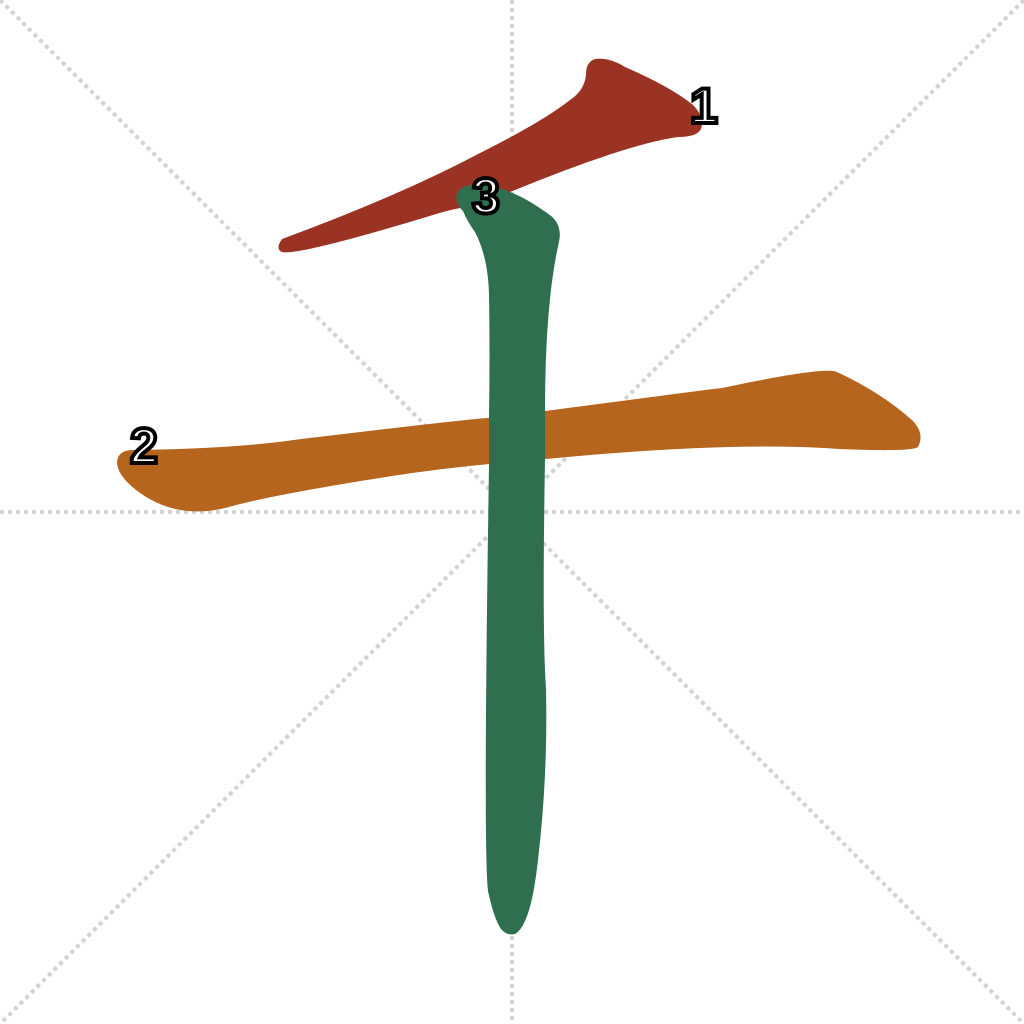
千 — 3 strokes
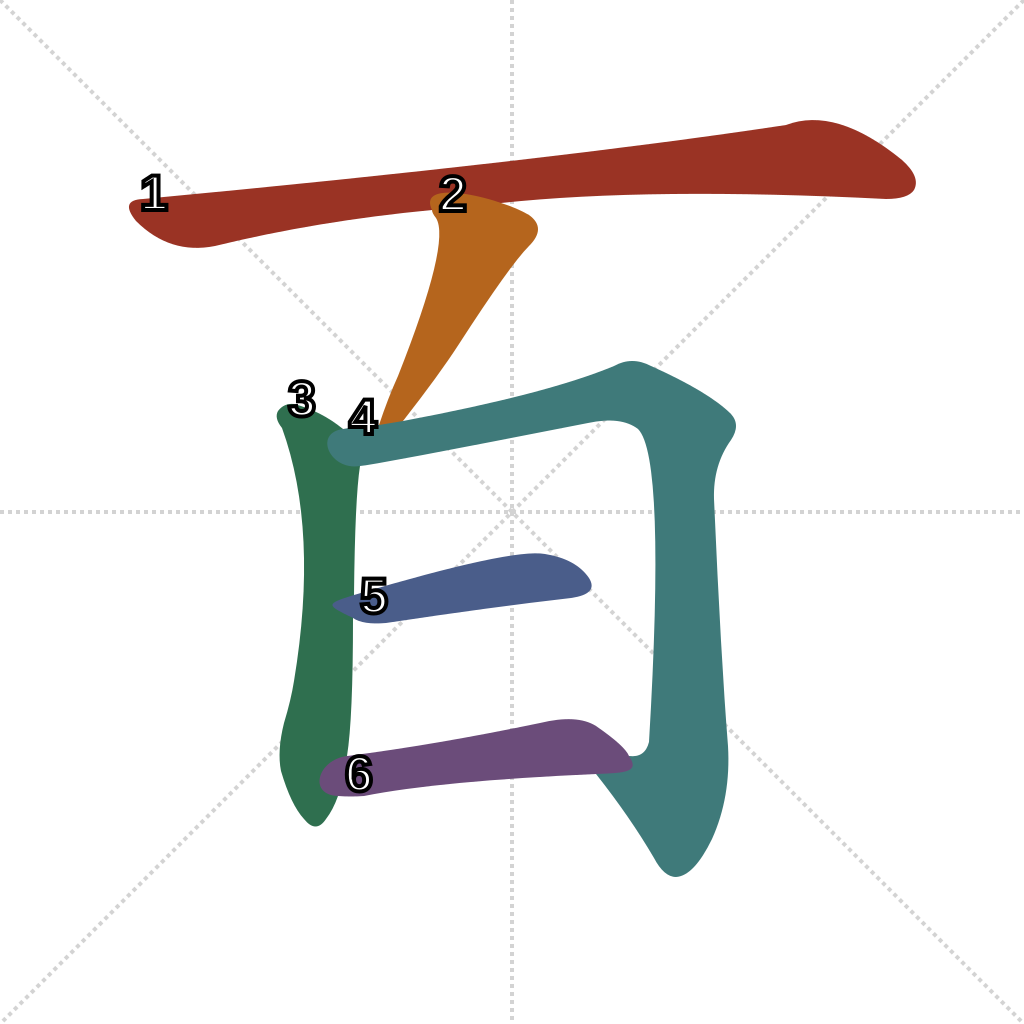
百 — 6 strokes
Top horizontal first, then the inner box:
Examples using these components
The same multiply-before/add-after logic from Lesson 5 extends straight through:
一百100
三百六十360
一千1,000
三百六十 breaks down exactly like 二十三 did in Lesson 5, just one tier up: (3×100) + (6×10) + 0. Anything you can price, count, or number up to 9,999 is now readable with characters you already know.
Check your recall
Which character means "thousand"?
千 (一+人) uses 人 for what purpose?
To say "100" on its own, you need:
三百六十 (三+百+六+十) represents the number:
Go further
Etymology sources for both characters are linked inline. For the rigorous version, see the Outlier Dictionary of Chinese Characters.
Out in the world: try reading any price, room number, or ticket cost written in characters rather than Arabic numerals — hotel receipts and some traditional menus are the most likely place you'll meet one.